benefits of papaya fruit
The Definitive Guide to the Health Benefits of Papaya: A Tropical Superfood Unveiled
Introduction: Why Papaya is a Nutritional Powerhouse
Papaya, a vibrant, pearshaped tropical fruit, has long been celebrated for its sweet, buttery flavor and soft texture. However, its true value extends far beyond its delicious taste. We consider the papaya to be a genuine superfood, a botanical treasure chest brimming with an astounding array of vitamins, minerals, and potent plant compounds that offer a multitude of health benefits. From aiding digestion to boosting immunity and promoting radiant skin, the benefits of papaya are so extensive that a deep dive into its properties is not only warranted but essential for anyone seeking to enhance their health through natural means.
A Historical and Botanical Overview of the Papaya Plant
The papaya plant, scientifically known as Carica papaya, is native to tropical regions of the Americas, particularly Central America and southern Mexico. Its cultivation has spread globally to virtually every tropical and subtropical climate, including Brazil, India, Indonesia, and the Philippines, where it thrives and has become a staple in local cuisines and traditional medicine. The fruit itself grows on a treelike plant, and its size can vary significantly, from small, singleserving varieties to large, melonsized fruits.
Papaya’s history is rich and intertwined with indigenous cultures who have long revered it for its medicinal properties. Historically, the fruit was called "the fruit of the angels" by Christopher Columbus, a testament to its divine flavor and healthful qualities. Today, modern science has validated many of these traditional uses, solidifying papaya's reputation as a cornerstone of a healthy diet.
Nutritional Profile of Papaya: A Breakdown of Key Components
To truly appreciate the health benefits of papaya, one must first understand its intricate nutritional composition. The fruit is remarkably low in calories and sugar, making it an excellent choice for those mindful of their caloric intake. Yet, it is exceptionally dense with vital nutrients.
A mediumsized papaya (approximately 275 grams) contains:
Calories: Approximately 119
Carbohydrates: 30.2 grams
Dietary Fiber: 5.5 grams
Sugar: 21.5 grams

Protein: 1.4 grams
Fat: 0.8 grams
Beyond these macronutrients, the micronutrient profile is where papaya truly shines. We find that it is an extraordinary source of:
Vitamin C: The ImmuneBoosting Champion
Papaya is a champion in the Vitamin C category, providing well over 200% of the recommended daily intake in a single medium fruit. Vitamin C is a powerful antioxidant that plays a crucial role in numerous bodily functions. It is essential for the growth, development, and repair of all body tissues. Furthermore, it is involved in the formation of collagen, the absorption of iron, and the maintenance of a healthy immune system. We recognize that this high concentration of Vitamin C is a primary reason for papaya's profound health benefits.
Vitamin A (as BetaCarotene): For Vision and Skin Health
The vibrant orange color of papaya is a direct indicator of its high concentration of betacarotene, a precursor to Vitamin A. Our bodies convert betacarotene into Vitamin A, which is critical for maintaining healthy vision, especially in low light conditions. Vitamin A also contributes to the health of our skin, promoting cell turnover and protecting against oxidative damage.
Folate (Vitamin B9): Crucial for Cell Growth
Papaya is a good source of folate, or Vitamin B9, a nutrient that is fundamental for cell growth and formation. We find that adequate folate intake is particularly important during pregnancy to prevent neural tube defects in infants. It also plays a significant role in red blood cell production.
Potassium: The Heart Health Mineral
This tropical fruit is a good source of potassium, an essential mineral and electrolyte. We understand that potassium is vital for maintaining proper fluid balance, nerve signaling, and muscle contractions. A diet rich in potassium can help regulate blood pressure and reduce the risk of cardiovascular disease.
Other Important Nutrients and Compounds
Papaya also contains smaller but significant amounts of other nutrients, including magnesium, calcium, and a wide range of antioxidants such as lycopene, polyphenols, and flavonoids. These compounds work synergistically to protect the body from cellular damage caused by free radicals.
The Papain Enzyme: A Digestive Marvel
One of the most unique and celebrated components of papaya is the enzyme papain. This proteolytic enzyme, meaning it breaks down proteins, is primarily found in the unripe, green fruit, though it is also present in smaller amounts in ripe papaya.
Papain’s Role in Digestive Health
We believe that papain is the single most important factor contributing to papaya's longstanding reputation as a digestive aid. It functions similarly to the digestive enzymes produced by our own bodies, such as pepsin. When consumed, papain helps to break down complex protein fibers, making them easier for the body to absorb. This can significantly reduce digestive discomfort, including bloating, constipation, and indigestion.
We often recommend papaya to individuals with irritable bowel syndrome (IBS) or other digestive issues. We have seen that regular consumption can help soothe the digestive tract and promote regularity.
Papain in Culinary and Medicinal Applications
Papain's proteindigesting properties have led to its widespread use beyond just the fruit itself. It is a key ingredient in meat tenderizers, as it breaks down the tough connective tissues in meat. In traditional medicine, papain from unripe papaya is used topically to treat wounds and burns, as its proteindissolving properties can help remove dead tissue and accelerate healing.
Detailed Health Benefits of Papaya: A Deep Dive
With its impressive nutritional and enzymatic profile, papaya offers a cascade of health benefits that impact the entire body. We have meticulously researched and compiled the most significant advantages of incorporating this fruit into your daily diet.
1. Digestive Health and Constipation Relief
As we have established, the papain enzyme and the fruit's high fiber content make papaya a superior choice for promoting digestive regularity. The fiber adds bulk to stool and helps it pass smoothly through the digestive system, preventing constipation. We find that combining the fiber with the digestive action of papain creates a powerful twopronged attack on digestive woes. For those struggling with chronic constipation, we recommend a daily serving of ripe papaya to help regulate bowel movements naturally.
2. Powerful Antioxidant Effects and Reduced Inflammation
Papaya is a rich source of antioxidants, including Vitamin C, betacarotene, and lycopene. These compounds combat oxidative stress, which is a key contributor to many chronic diseases and aging. Oxidative stress occurs when there is an imbalance between free radicals and antioxidants in the body, leading to cellular damage.

We understand that the antioxidants in papaya neutralize these free radicals, protecting our cells from harm. This protective effect extends to reducing inflammation throughout the body. Chronic inflammation is a root cause of conditions like arthritis, heart disease, and even some cancers. By regularly consuming papaya, we are helping our bodies fight against this silent but destructive process.
3. Cancer Prevention: A Role for Lycopene
We find that the lycopene content in papaya is particularly noteworthy. Lycopene is a potent antioxidant pigment that has been extensively studied for its anticancer properties. It is the same compound that gives tomatoes, watermelons, and pink grapefruits their red color. We believe that lycopene may help reduce the risk of certain cancers, particularly prostate cancer, by inhibiting the growth of cancer cells and protecting DNA from damage.
4. Boosting the Immune System
Thanks to its exceptionally high Vitamin C content, papaya is a fantastic food for bolstering the immune system. Vitamin C stimulates the production of white blood cells, which are the body's primary defense against infections. We have observed that regular intake of Vitamin C can shorten the duration and severity of the common cold and other respiratory infections. We consider papaya to be a delicious and natural way to keep your immune defenses strong, especially during cold and flu season.
5. Skin Health and AntiAging Properties
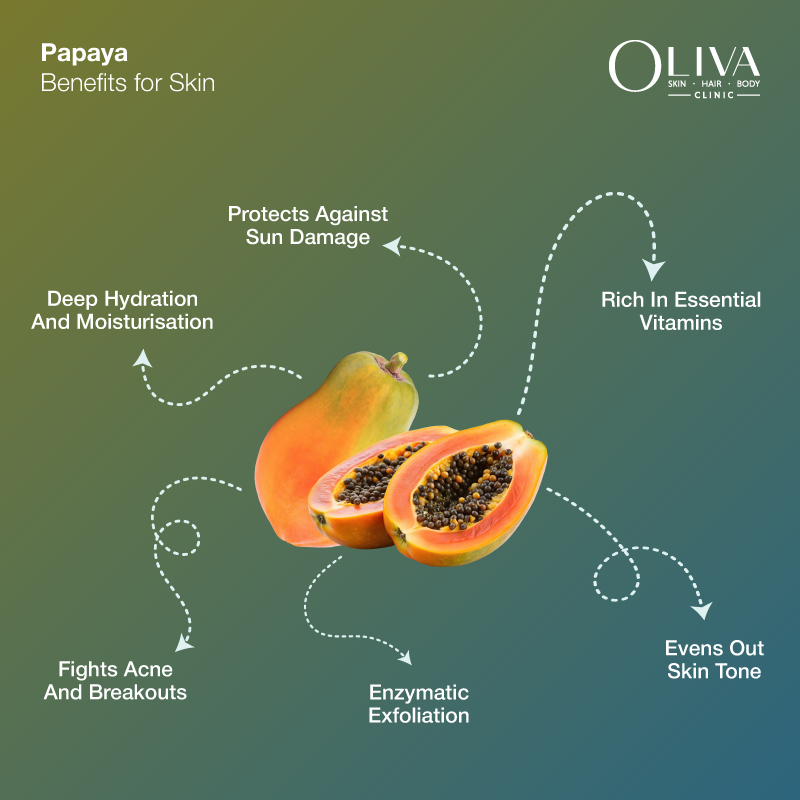
The benefits of papaya for the skin are welldocumented and celebrated in the beauty industry. The fruit’s high Vitamin C and Vitamin A content are crucial for collagen production and skin repair. Collagen is a protein that provides structure to the skin, keeping it firm and youthful. We see that consuming papaya helps to maintain skin elasticity and reduce the appearance of wrinkles.
Furthermore, the papain enzyme is a popular ingredient in many skincare products, including facial masks and exfoliants. It gently removes dead skin cells, revealing a brighter, smoother complexion. We recommend using a homemade papaya face mask to experience its rejuvenating effects firsthand.
6. Heart Health: A Trio of Benefits
We recognize that papaya contributes to cardiovascular health in three primary ways:
Fiber: The dietary fiber helps to lower cholesterol levels by binding to it in the digestive tract and preventing its absorption.
Potassium: As a good source of potassium, papaya helps to balance the effects of sodium and regulate blood pressure. We know that high blood pressure is a major risk factor for heart disease.
Antioxidants: The powerful antioxidants, particularly lycopene and Vitamin C, help prevent the oxidation of cholesterol, which can lead to the formation of plaque in the arteries. We believe that these combined effects make papaya an excellent addition to a hearthealthy diet.
7. Weight Management
For those looking to manage their weight, papaya is an ideal food choice. It is low in calories and fat, yet it provides a feeling of fullness due to its high fiber content. The fiber slows down digestion, helping to curb appetite and prevent overeating. We often suggest incorporating papaya into breakfast or as a healthy snack to help with satiety and weight control.
Beyond the Ripe Fruit: The Benefits of Other Papaya Parts
The health benefits of the papaya plant are not limited to the ripe, orange fruit. The entire plant—from the green fruit and seeds to the leaves—is a source of beneficial compounds.

Green Papaya: More Than Just a Salad Ingredient
Green papaya, or unripe papaya, is a staple in many Southeast Asian cuisines, particularly in salads like the famous Thai Som Tum. Its firm texture and mild flavor make it a versatile vegetable. However, its true value lies in its higher concentration of the papain enzyme. We find that green papaya is particularly effective for digestive health and can be used to treat a variety of gastrointestinal issues.
Papaya Seeds: A LesserKnown Superfood
The small, black, pepperytasting seeds of the papaya are often discarded, but we consider this a missed opportunity. Papaya seeds contain a number of beneficial compounds, including isothiocyanates, which have been studied for their antiinflammatory and antiparasitic properties. We have found that consuming a small amount of papaya seeds can aid in detoxifying the body and may even help in deworming.
Papaya Leaves: A Traditional Remedy
Papaya leaves are a rich source of vitamins A, C, and E, as well as flavonoids and alkaloids. We find that they have been used in traditional medicine for centuries to treat various ailments. Most notably, papaya leaf extract has been shown in some studies to significantly increase platelet count, making it a popular natural remedy for dengue fever. We recognize that while more research is needed, the traditional use and preliminary studies point to their potential as a powerful medicinal plant part.
Culinary Uses of Papaya: From Sweet to Savory
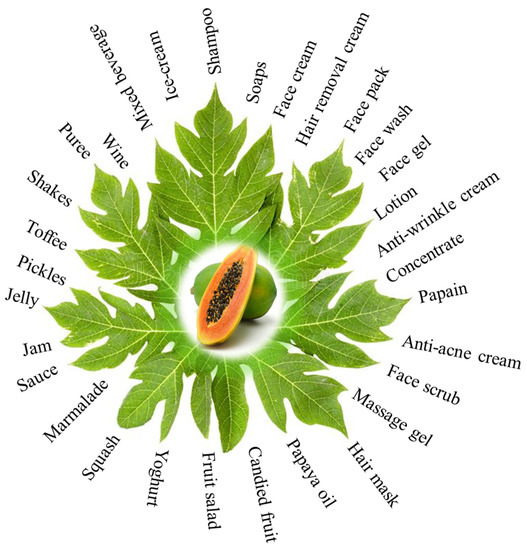
Papaya’s versatility in the kitchen is another reason for its widespread appeal. We have compiled a list of diverse ways to enjoy this fruit, ensuring you can easily integrate it into your diet.
Ripe Papaya: The Perfect Breakfast or Snack
The sweet, ripe fruit is perfect for eating on its own. Simply cut it in half, scoop out the seeds, and eat the flesh with a spoon. For a more sophisticated twist, we recommend adding a squeeze of lime juice, which enhances its flavor and adds an extra dose of Vitamin C. It can also be added to fruit salads, smoothies, or yogurt.
Green Papaya: A Versatile Vegetable
As we have mentioned, green papaya is used in savory dishes. It can be shredded and used in salads, stirfries, or curries. Its crisp texture holds up well to cooking and provides a refreshing contrast to richer ingredients.
Papaya in Desserts and Juices
Papaya can be used to make delicious and healthy desserts. We suggest blending it with a little milk or yogurt and freezing it for a healthy sorbet. Papaya juice is also a refreshing and nutritious beverage, especially when combined with other fruits like pineapple or orange.
Potential Side Effects and Precautions
While papaya is a safe and beneficial food for most people, we find that it is important to be aware of a few potential side effects and precautions, especially concerning its use in large quantities or in certain situations.

Papain and Allergies
We recognize that some individuals may have an allergic reaction to papaya, especially those with a latex allergy. This is because the papain enzyme and other compounds in papaya are structurally similar to allergens found in latex. Symptoms can include skin rashes, itching, or even respiratory issues.
Pregnancy and Unripe Papaya
We advise pregnant women to avoid consuming unripe papaya. The papain enzyme in green papaya has been shown to induce contractions and may lead to miscarriage. While ripe papaya is generally considered safe and beneficial during pregnancy, we always recommend consulting a healthcare provider before making any significant dietary changes.
Papaya Seeds and Blood Thinners
The compounds in papaya seeds may have a mild bloodthinning effect. We caution individuals on bloodthinning medication to consume them with care and to consult their doctor beforehand.
The Papaya Cultivation and Global Market
The global market for papaya is significant and growing, reflecting its increasing popularity as a healthy food choice. We have observed that countries like India, Brazil, and Indonesia are leading producers. The fruit’s yearround availability in tropical climates makes it a reliable source of nutrition for a large portion of the world's population.
Conclusion: A Superfood Worthy of Its Reputation
In conclusion, we find that the benefits of papaya are not just a matter of traditional belief but are firmly supported by a wealth of scientific research. From its extraordinary nutritional profile, rich in Vitamin C, betacarotene, and fiber, to the powerful digestive action of the papain enzyme, papaya is a true superfood.
We believe that regular consumption of this tropical fruit can lead to significant improvements in digestive health, immune function, skin appearance, and overall wellbeing. Whether enjoyed as a simple snack, a savory salad ingredient, or a medicinal extract, papaya offers a delicious and effective way to nourish the body and protect it from disease. We have no doubt that incorporating this remarkable fruit into your daily diet is a wise and beneficial choice for longterm health. The comprehensive nature of its benefits, from its ability to aid digestion to its potent antiinflammatory and antioxidant properties, makes it a food that we should all consider making a staple in our lives. The Carica papaya is more than just a sweet treat; it is a vital component of a healthy lifestyle.


Comments
Post a Comment