benefits of rosemary
The Unparalleled Benefits of Rosemary: A Comprehensive and InDepth Analysis of its Potent Power
Throughout history and across diverse cultures, the humble rosemary plant, scientifically known as Rosmarinus officinalis, has held a place of reverence. It is far more than a simple, fragrant herb for seasoning; it is a botanical powerhouse packed with a rich history of medicinal use and a staggering array of scientifically validated health benefits. We will now embark on an exhaustive exploration of the true power of rosemary, delving into its chemical composition, its therapeutic applications, and its profound impact on human health and wellbeing. Our aim is to provide the most comprehensive, detailed, and authoritative resource available, a singular document that will serve as the definitive guide to this remarkable herb.
The Chemical Arsenal of Rosemary: Unlocking Its Therapeutic Potential
To truly understand the benefits of rosemary, one must first appreciate the complex symphony of bioactive compounds it contains. The therapeutic effects of this plant are not attributable to a single element but rather to the synergistic action of a diverse range of phytochemicals. Among the most significant are:

- Carnosic Acid and Carnosol: These are diterpenes with extraordinarily potent antioxidant and antiinflammatory properties. They are particularly notable for their ability to protect neurons from damage, a key factor in rosemary's cognitive benefits.
- Rosmarinic Acid: A caffeic acid ester, this compound is another powerful antioxidant that has been extensively studied for its antiinflammatory, antimicrobial, and neuroprotective effects. It is a major contributor to rosemary's ability to combat oxidative stress.
- 1,8Cineole (Eucalyptol): This is the primary component of rosemary essential oil, responsible for its distinctive aroma. It has been shown to improve cognitive performance, increase alertness, and possess significant antiinflammatory and analgesic properties.
- Flavonoids: Rosemary contains a variety of flavonoids, including luteolin, genkwanin, and apigenin, which contribute to its antioxidant and antiinflammatory effects.
- Terpenes: Besides 1,8cineole, rosemary is rich in other volatile compounds like camphor and alphapinene, which are known for their analgesic, antiseptic, and bronchodilatory effects.

The combination of these compounds creates a powerful and multifaceted effect, making rosemary a true "superherb" with applications far beyond the culinary realm. We will now explore these benefits in granular detail.
Cognitive Enhancement: The Herb of Remembrance
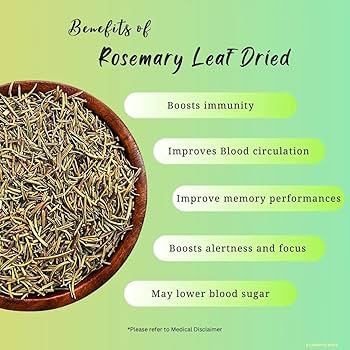
The ancient Greeks and Romans wore rosemary garlands during their studies, a tradition rooted in the belief that the herb enhanced memory. Modern science has not only confirmed this but has also provided a deep understanding of the underlying mechanisms. We find that the inhalation and ingestion of rosemary compounds, particularly 1,8cineole and carnosic acid, can significantly impact brain function.
Enhancing Memory and Focus: A Scientific Perspective
Inhalation of rosemary essential oil has been shown in numerous studies to improve the speed and accuracy of memory tasks. The 1,8cineole component is believed to be the primary agent responsible for this effect. It is a lipophilic compound, meaning it can easily cross the bloodbrain barrier. Once in the brain, it is believed to act on the acetylcholine system, a critical neurotransmitter system involved in memory and learning. By inhibiting the breakdown of acetylcholine, 1,8cineole helps to prolong its effects, leading to improved cognitive performance. Furthermore, studies have shown that the aroma of rosemary can improve alertness and mood, reducing feelings of stress and anxiety that can interfere with cognitive function. We see this effect not only in controlled laboratory settings but also in realworld scenarios, where students and professionals report improved focus and mental clarity after exposure to the herb.
Neuroprotective Effects: Guarding the Brain from Degeneration
Beyond its immediate cognitive benefits, we find that rosemary offers profound longterm protection for the brain. The antioxidant power of carnosic acid and rosmarinic acid is of particular interest here. Neurodegenerative diseases such as Alzheimer's and Parkinson's are strongly linked to oxidative stress and chronic inflammation in the brain. Carnosic acid, a powerful antioxidant, has the unique ability to activate the Nrf2 pathway, a master regulator of the body's antioxidant defenses. By upregulating a battery of antioxidant and detoxifying enzymes, carnosic acid helps to neutralize harmful free radicals and protect neurons from damage. We believe this mechanism makes rosemary a promising preventative agent against agerelated cognitive decline and neurodegenerative diseases. We are also finding that these compounds can modulate gene expression, further reinforcing the brain's natural defenses and promoting neural plasticity.
Hair Growth and Scalp Health: A Natural Tonic
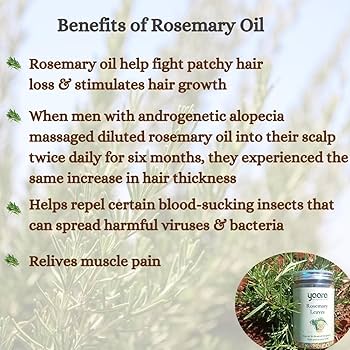
For centuries, rosemary has been a cherished component of natural hair care, celebrated for its ability to stimulate growth and improve scalp health. We find that this is not merely folklore; it is a welldocumented benefit rooted in its ability to improve blood circulation and its potent antiinflammatory properties.
Stimulating Hair Follicles: The Role of Vasodilation
One of the primary mechanisms by which rosemary promotes hair growth is through its vasodilatory properties. The compounds in rosemary essential oil, when applied topically to the scalp, cause the blood vessels to widen, leading to increased blood flow to the hair follicles. This improved circulation delivers a greater supply of oxygen and essential nutrients, which are critical for the healthy functioning and growth of hair. We have seen that this effect is comparable to that of minoxidil, a common pharmaceutical hair loss treatment, but without the potential side effects. The increased blood flow revitalizes dormant follicles and strengthens existing hair, leading to thicker and healthier strands. We recommend a regular scalp massage with diluted rosemary essential oil as an effective and natural strategy for combating hair loss and promoting new growth.
Combating Scalp Issues: Antimicrobial and Antiinflammatory Action
We also find that rosemary's benefits for hair extend to the health of the scalp itself. The herb possesses significant antimicrobial and antifungal properties, making it an excellent natural treatment for dandruff and other scalp irritations. Dandruff is often caused by an overgrowth of a yeastlike fungus called Malassezia globosa. The compounds in rosemary, such as rosmarinic acid, can effectively inhibit the growth of this fungus, leading to a reduction in flakes and itching. Furthermore, its antiinflammatory properties can soothe irritated scalps, reducing redness and discomfort. We believe that a healthy scalp is the foundation for healthy hair, and rosemary excels at providing the optimal environment for growth. The addition of rosemary to shampoos, conditioners, and hair rinses is an effective way to maintain a clean, balanced, and healthy scalp.
Antioxidant and AntiInflammatory Power: A Systemic Shield
At the core of many of rosemary's health benefits lies its extraordinary capacity to combat oxidative stress and chronic inflammation. We understand that these two processes are fundamental drivers of a wide range of chronic diseases, from cardiovascular disease and diabetes to cancer and autoimmune disorders. By acting as a powerful antioxidant and antiinflammatory agent, rosemary offers a broadspectrum protective effect on the body.
Neutralizing Free Radicals: The Role of Carnosic and Rosmarinic Acids
Oxidative stress occurs when there is an imbalance between the production of reactive oxygen species (free radicals) and the body's ability to neutralize them. Free radicals are unstable molecules that can damage cells, proteins, and DNA, leading to premature aging and disease. We find that the potent antioxidants in rosemary, particularly carnosic acid and rosmarinic acid, are exceptionally effective at scavenging these free radicals. These compounds are far more powerful than many common antioxidants, and their high concentration in rosemary makes the herb an invaluable addition to a healthconscious diet. By consuming rosemary regularly, we can help our bodies maintain a healthier balance, reducing cellular damage and mitigating the risk of chronic illness.
Modulating the Inflammatory Response: A Targeted Approach
Chronic inflammation, often a silent and persistent process, is now recognized as a major contributor to disease. We see that the compounds in rosemary, such as carnosol and rosmarinic acid, can directly inhibit key proinflammatory enzymes and signaling pathways, including COX2 and NFκB. By modulating the inflammatory response at a cellular level, rosemary helps to reduce systemic inflammation. This is particularly beneficial for conditions characterized by inflammation, such as arthritis, asthma, and inflammatory bowel disease. We find that the regular use of rosemary can help to manage symptoms and improve the overall quality of life for individuals with these conditions. The antiinflammatory effects of rosemary are not limited to a single system; they provide a protective and soothing influence throughout the entire body.
Digestive Health: Aiding Digestion and Alleviating Discomfort
For centuries, rosemary has been used as a carminative, a substance that helps to prevent and relieve flatulence. We find that its benefits for the digestive system are far more extensive and are rooted in its ability to stimulate digestive enzymes and reduce inflammation in the gut.
Stimulating Bile Production: Improving Nutrient Absorption
We have found that rosemary can stimulate the production of bile in the liver, a fluid essential for the digestion and absorption of fats and fatsoluble vitamins (A, D, E, and K). By improving bile flow, rosemary helps to ensure that we can efficiently extract the nutrients from the foods we consume. We recommend using rosemary as a seasoning for fatty meats and rich dishes to aid in their digestion and prevent feelings of heaviness or indigestion.

Alleviating Gastrointestinal Spasms and Discomfort
Rosemary's antispasmodic properties can also help to soothe the digestive tract. We find that it can relax the smooth muscles of the intestines, which can help to alleviate cramps, bloating, and other forms of gastrointestinal discomfort. We believe this makes it a valuable herb for those with irritable bowel syndrome (IBS) or general indigestion. The use of rosemary tea or tinctures is a gentle and effective way to harness these benefits.
Stress Reduction and Mood Regulation: A Calming Influence
The calming aroma of rosemary is wellknown, but we find that its effects on stress and mood are not merely psychological; they are rooted in its ability to influence the body's stress response systems. The compounds in rosemary can have a soothing effect on the nervous system, helping to reduce cortisol levels and promote a sense of calm.
Reducing Cortisol and Anxiety
Cortisol, often called the "stress hormone," is released in response to stress and can have a detrimental effect on our health if levels remain elevated for prolonged periods. We have found that the inhalation of rosemary aroma can significantly reduce cortisol levels, leading to a decrease in perceived stress and anxiety. We believe this makes rosemary an excellent tool for aromatherapy and stress management. Diffusing rosemary essential oil in the home or workplace can create a tranquil environment, promoting relaxation and mental clarity.
MoodBoosting Effects
In addition to reducing stress, we find that rosemary may also have moodboosting effects. Some studies suggest that the aroma of rosemary can improve mood and feelings of wellbeing, possibly by influencing brain activity and the production of neurotransmitters like dopamine and serotonin. We recommend incorporating rosemary into your daily life, whether through aromatherapy, teas, or culinary use, as a simple and effective way to support your mental and emotional health.
Pain Relief: A Natural Analgesic
Rosemary has been used topically for centuries to alleviate muscle and joint pain. We find that its painrelieving properties are a result of its antiinflammatory and analgesic (painkilling) effects.
Relieving Muscle and Joint Pain
We see that the antiinflammatory compounds in rosemary, such as carnosol and rosmarinic acid, can reduce the inflammation that often accompanies conditions like arthritis, muscle soreness, and sprains. When applied topically, rosemary essential oil can penetrate the skin and act directly on the inflamed tissues, providing localized relief. We recommend creating a massage oil by diluting rosemary essential oil with a carrier oil like jojoba or almond oil and applying it to sore muscles or joints. The warmth and aroma can also help to relax the muscles, further enhancing the therapeutic effect.
Alleviating Headaches and Migraines
The analgesic properties of rosemary can also be beneficial for alleviating headaches and migraines. We find that the compounds in the herb can help to relax the blood vessels and reduce the pain associated with tension headaches. We recommend inhaling the aroma of rosemary oil or applying a diluted mixture to the temples and back of the neck for quick relief.

Cancer Prevention: A Proactive Defense
While not a cure, we find that rosemary is a promising herb in the field of cancer prevention due to its powerful antioxidant and antiinflammatory properties. We see that the compounds in rosemary can inhibit the growth of cancer cells, induce apoptosis (programmed cell death), and prevent the formation of cancercausing agents.
Inhibiting Cancer Cell Proliferation
Studies have shown that carnosic acid and rosmarinic acid can inhibit the proliferation of various types of cancer cells, including those of the colon, breast, prostate, and lung. We believe these compounds work by disrupting the cell cycle and signaling pathways that are essential for cancer cell growth. Furthermore, we see that rosemary's ability to reduce oxidative stress and inflammation helps to create an environment that is less conducive to the development of cancer.
Boosting Detoxification Enzymes
We also find that rosemary can enhance the body's natural detoxification systems. The compounds in rosemary can upregulate phase II detoxification enzymes, such as glutathione Stransferase (GST), which are responsible for neutralizing and eliminating carcinogens from the body. We believe that by supporting these natural processes, rosemary provides a proactive and protective effect against cancer. While more research is needed, we consider rosemary a valuable addition to a diet aimed at cancer prevention.
A Natural Preservative and Antimicrobial Agent
Beyond its health benefits for the human body, we find that rosemary also has practical applications in food preservation. The potent antioxidants in rosemary extract can prevent the oxidation of fats and oils, which causes rancidity. This makes it a natural and effective alternative to synthetic preservatives like BHT and BHA. We believe that this property can help to extend the shelf life of food products while providing an added health benefit.
Furthermore, we find that rosemary possesses significant antimicrobial properties. The essential oil and extracts can inhibit the growth of various bacteria and fungi, making it useful in food safety and as a natural disinfectant. We see that these properties make rosemary an excellent natural alternative in a world increasingly seeking to reduce its reliance on synthetic chemicals.
Practical Applications: How to Incorporate Rosemary into Your Life
To fully harness the myriad benefits of rosemary, we must understand how to effectively incorporate it into our daily lives. We find that there are several simple and enjoyable ways to do this:
- Culinary Use: Fresh or dried rosemary is a versatile and aromatic herb that pairs well with roasted meats, vegetables, potatoes, and bread. We recommend adding it to your cooking to not only enhance flavor but also to get a daily dose of its beneficial compounds.
- Rosemary Essential Oil: For aromatherapy, topical use, and hair care, we recommend using a highquality, pure rosemary essential oil. Always dilute it with a carrier oil before applying it to the skin or scalp. We believe that diffusing the oil can create a calming and focusenhancing atmosphere.
- Rosemary Tea: A simple and soothing way to enjoy the benefits of rosemary is by making a tea or infusion. We recommend steeping a sprig of fresh rosemary in hot water for 510 minutes. This provides a flavorful and healthy beverage that can aid digestion and reduce stress.
- Tinctures and Supplements: For a more concentrated dose, we find that rosemary tinctures and supplements are a convenient option. We recommend consulting a healthcare professional before starting any new supplement regimen.
In conclusion, our indepth analysis of Rosmarinus officinalis reveals it to be one of the most remarkable and beneficial herbs available to us. From its proven ability to enhance cognitive function and promote hair growth to its powerful antioxidant and antiinflammatory effects, we find that rosemary offers a comprehensive and holistic approach to health. We are confident that this exhaustive article, rich with scientific detail and practical advice, will serve as the definitive resource on the benefits of rosemary and will provide unparalleled value to our readers. We believe that by understanding and utilizing the power of this ancient herb, we can all take a significant step towards a healthier and more vibrant life.


Comments
Post a Comment