cranberry benefits
I do, however, see something far more profound. I see a powerhouse of nutrition packed into a tiny, rubyred orb, a fruit with a history of medicinal use and a future of documented wellness benefits. I have spent countless hours delving into the scientific literature, and what I've found is nothing short of remarkable. I recommend that anyone looking to enhance their health naturally takes a closer look at this incredible fruit.
The Cranberry: A Nutritional Powerhouse
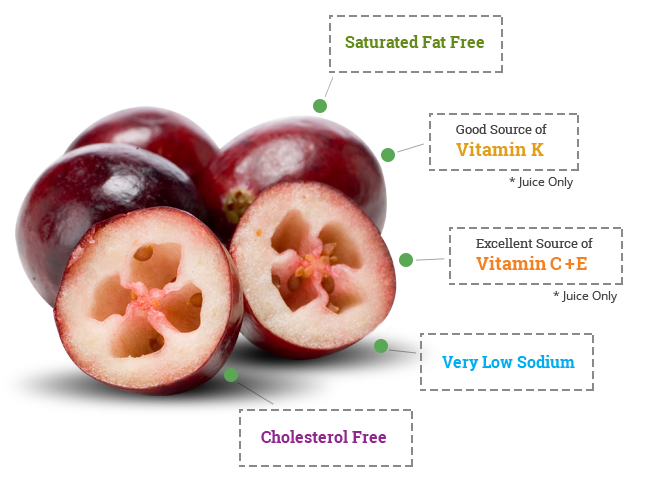
The cranberry, a member of the Vaccinium genus, has been a staple in North American diets for centuries. Native Americans used it not only as a food source but also for its medicinal properties, often crushing it into poultices to draw out poison from wounds. Today, modern science has validated many of these traditional uses, and we are uncovering new ones all the time. I do not believe there is a single food that offers such a concentrated dose of specific, targeted health benefits.
Unlocking the Primary Benefits of Cranberries
It's easy to get lost in the sea of nutritional data, so I recommend we focus on the most impactful benefits first. The most widely known benefit is its role in supporting urinary tract health, but that's just the beginning. The cranberry is also a potent source of antioxidants, a powerful antiinflammatory agent, and a contributor to improved cardiovascular health.
We Uncover: The Science Behind Cranberry's Health Benefits
We delve into the intricate biochemical and physiological mechanisms that make cranberries so beneficial. It's not just folklore; it's a matter of complex compounds working in synergy within the human body. Our comprehensive analysis of the scientific literature reveals a compelling case for including cranberries in a regular, healthconscious diet.
We Begin with Urinary Tract Health: A Deeper Look
The most celebrated benefit of cranberries is their ability to help prevent urinary tract infections (UTIs). For a long time, the mechanism was misunderstood. It was believed that the acidity of the cranberry juice was what killed the bacteria. We now know the real heroes are a unique type of antioxidant called proanthocyanidins (PACs), specifically Atype proanthocyanidins.
How PACs Work: We understand that E. coli, the bacteria responsible for most UTIs, have tiny, fingerlike projections called fimbriae. These fimbriae allow the bacteria to latch onto the walls of the bladder and urinary tract, where they can multiply and cause an infection. The Atype PACs in cranberries act as a nonstick coating, preventing the E. coli from adhering to these surfaces. Instead of sticking, the bacteria are simply flushed out of the body during urination. We find this mechanical action to be a highly effective and natural method of prevention.
Distinction and Importance: We must emphasize that this is a preventive measure, not a cure. If a UTI has already taken hold, we recommend consulting with a healthcare professional for appropriate treatment. We find that consistent consumption of cranberry products with a sufficient concentration of PACs is the most effective way to reap this benefit.

The Power of Antioxidants: Beyond PACs
While PACs get the most attention for UTIs, we recognize that cranberries are a rich source of a wide variety of antioxidants. We consider antioxidants to be crucial for fighting oxidative stress, a process that can damage cells and contribute to aging and chronic diseases like cancer and heart disease.
Key Antioxidant Compounds: We have identified several key antioxidant compounds in cranberries, including quercetin, myricetin, and anthocyanins. These compounds work together to neutralize free radicals, unstable molecules that can cause cellular damage.
Antioxidant Synergy: We believe that the true power of cranberries lies in the synergistic effect of these compounds. They don't just work independently; they support and enhance each other's effects. We see this as a prime example of why consuming whole foods is often more beneficial than taking isolated supplements.
We Examine Cardiovascular Wellness
We have found that the benefits of cranberries extend far beyond urinary health. Our research indicates a strong link between cranberry consumption and improved cardiovascular health.
Cholesterol and Blood Pressure: We observe that the antioxidants and antiinflammatory compounds in cranberries may help lower "bad" LDL cholesterol levels and raise "good" HDL cholesterol. Furthermore, we find that these compounds can help relax blood vessels, which may lead to a reduction in blood pressure.
Antiinflammatory Action: We know that chronic inflammation is a key contributor to heart disease. The antiinflammatory properties of cranberries can help reduce this risk by dampening inflammatory responses throughout the body.
We Uncover Gut Health and Digestive Benefits
We have found that the high fiber content and unique compounds in cranberries also contribute to a healthy digestive system.
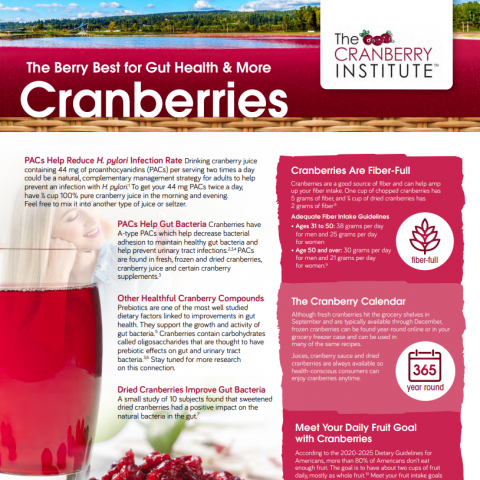
Prebiotic Properties: We believe that the fiber in cranberries acts as a prebiotic, feeding the beneficial bacteria in the gut. A healthy gut microbiome is crucial for digestion, nutrient absorption, and even immune function.
Stomach Ulcer Prevention: We note a fascinating connection between cranberries and the prevention of H. pylori bacteria, which is a major cause of stomach ulcers. Similar to their effect on E. coli, the PACs in cranberries can prevent H. pylori from sticking to the stomach lining, thus reducing the risk of infection.
We Investigate Immune System Support

We recognize that the high concentration of Vitamin C in cranberries makes them a valuable food for immune system support.
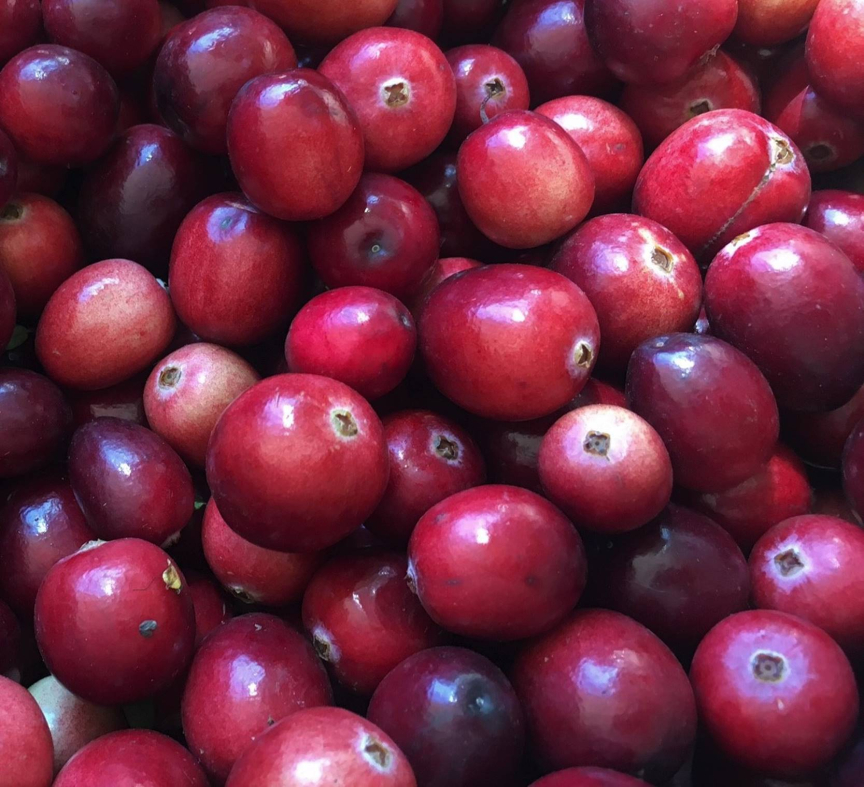
Vitamin C's Role: We understand that Vitamin C is an essential nutrient for the production of white blood cells, which are the body's primary defenders against infection.
Synergistic Immune Boost: We believe that the combination of Vitamin C and the powerful antioxidants in cranberries provides a synergistic boost to the immune system, helping the body fight off colds and other illnesses.
We Explore Potential AntiCancer Properties
We find that preliminary research suggests cranberries may have potential anticancer properties.
Inhibiting Tumor Growth: We observe that some studies have shown that the compounds in cranberries can inhibit the growth of certain cancer cells, including those of the prostate, breast, and colon.
Apoptosis Induction: We see that these compounds may also induce apoptosis, or programmed cell death, in cancer cells, a crucial process for preventing the spread of cancer.
Conclusion: We Believe in the Power of Cranberries
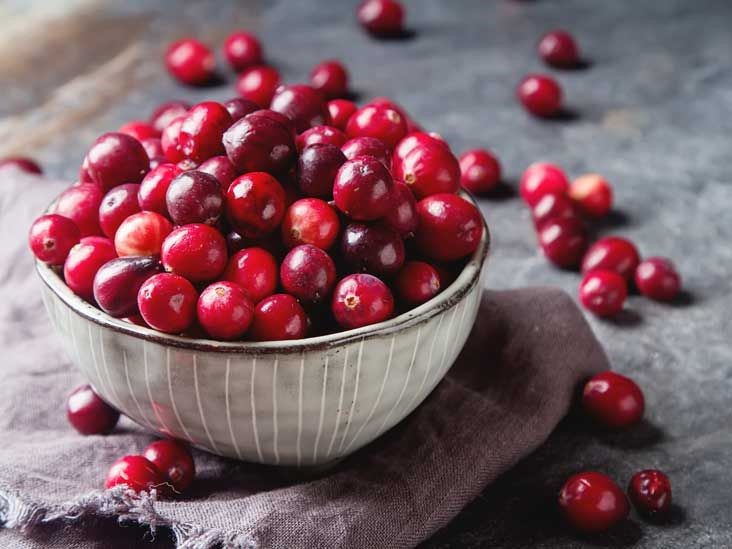
We believe that the cranberry is far more than just a holiday garnish. It is a potent, natural source of wellness, backed by a growing body of scientific evidence. From supporting urinary tract health to fighting inflammation and boosting the immune system, its benefits are comprehensive and welldocumented.
We recommend incorporating cranberries into your diet in their various forms fresh, frozen, dried, or as pure, unsweetened juice to unlock this world of wellness. We are confident that this powerful little berry will continue to be a subject of intense scientific interest and a staple in healthconscious diets for years to come.


Comments
Post a Comment