calorie deficit diet
Mastering the Calorie Deficit Diet: Your Definitive Blueprint for Sustainable Weight Loss
From my experience, when it comes to effective and lasting weight loss, there is one fundamental principle that reigns supreme: the calorie deficit. I do not believe in fad diets, quick fixes, or magical pills. I recommend a scientific, evidencebased approach, and that starts with understanding and implementing a calorie deficit. It is the cornerstone of every successful weight loss journey, and with the right knowledge, it is an incredibly powerful tool.
In this comprehensive guide, I will share the insights and strategies that I have developed over years of working with individuals to achieve their health and fitness goals. My goal is to equip you with the knowledge and practical tools to not only understand the concept but to implement it flawlessly in your own life. We will delve into the science, break down the numbers, and provide actionable steps that will lead to tangible, lasting results.
Understanding the Science of a Calorie Deficit
The principle of a calorie deficit is deceptively simple, yet its implications are profound. In the simplest terms, it means consuming fewer calories than your body expends. When this happens, your body is forced to tap into its stored energy reserves—primarily fat—to fuel its functions. This is the only way to lose fat. Every other diet, from ketogenic to lowcarb to paleo, works because it creates this fundamental energy imbalance. They just achieve it through different dietary restrictions.

What Exactly is a Calorie?
A calorie is a unit of energy. Specifically, it is the amount of energy required to raise the temperature of one gram of water by one degree Celsius. In the context of nutrition, it represents the energy your body gets from the food and beverages you consume. Our bodies need energy to perform all essential functions, from breathing and circulating blood to thinking and moving. This energy comes from the macronutrients in our food: carbohydrates, proteins, and fats.
How Your Body Uses Energy
Your body’s total daily energy expenditure (TDEE) is the sum of three main components:
- Basal Metabolic Rate (BMR): This is the number of calories your body needs to perform basic, lifesustaining functions while at rest. It accounts for the largest portion of your daily energy expenditure, typically 6075%.
- Thermic Effect of Food (TEF): This is the energy your body uses to digest, absorb, and metabolize the food you eat. It accounts for about 10% of your total energy expenditure.
- Activity Energy Expenditure (AEE): This includes all calories burned during physical activity, from structured exercise to nonexercise activities like walking, fidgeting, and standing.
To create a calorie deficit, you must consume fewer calories than your TDEE. For example, if your TDEE is 2,500 calories, a calorie deficit would mean consuming less than 2,500 calories per day. This forces your body to draw upon its stored energy, leading to weight loss.
Why Fad Diets Fail and a Calorie Deficit Succeeds
Many popular fad diets work in the short term because they inadvertently create a calorie deficit, but they are often unsustainable. For instance, a diet that cuts out an entire food group might reduce your overall calorie intake, but it can also lead to nutrient deficiencies and feelings of deprivation, making it difficult to stick to longterm. A calorie deficit, on the other hand, is a flexible framework. It allows you to eat a wide variety of foods, as long as you stay within your caloric budget. This flexibility is key to longterm adherence and success.
The Definitive Guide to Calculating Your Calorie Deficit
The first step in any successful calorie deficit journey is to accurately determine your starting point. You need to know how many calories your body is currently burning on a daily basis. We will use a twostep process to get this number.
Step 1: Calculate Your Basal Metabolic Rate (BMR)
Your BMR is the foundation of your caloric needs. It is the minimum number of calories your body needs to function at rest. We will use the MifflinSt Jeor equation, which is widely considered to be the most accurate for estimating BMR.
MifflinSt Jeor Equation:
- Men: BMR = 10 × weight (kg) + 6.25 × height (cm) 5 × age (years) + 5
- Women: BMR = 10 × weight (kg) + 6.25 × height (cm) 5 × age (years) 161
Let's walk through a quick example. A 30yearold male who weighs 80 kg and is 180 cm tall would have a BMR of: (10 80) + (6.25 180) (5 30) + 5 = 800 + 1125 150 + 5 = 1780 calories.
Step 2: Determine Your Total Daily Energy Expenditure (TDEE)
Now that you have your BMR, you need to factor in your activity level to get your TDEE. This is the total number of calories you burn each day. To do this, you will multiply your BMR by an activity factor:
- Sedentary (little or no exercise): TDEE = BMR × 1.2
- Lightly active (light exercise/sports 13 days/week): TDEE = BMR × 1.375
- Moderately active (moderate exercise/sports 35 days/week): TDEE = BMR × 1.55
- Very active (hard exercise/sports 67 days a week): TDEE = BMR × 1.725
- Extra active (very hard exercise/physical job): TDEE = BMR × 1.9
Using our previous example, if our 30yearold male is moderately active, his TDEE would be: 1780 × 1.55 = 2759 calories. This is the number of calories he needs to maintain his current weight.
Step 3: Creating Your Calorie Deficit
The final step is to create your deficit. A safe and sustainable deficit is typically 5001000 calories per day. This will result in a weight loss of about 12 pounds per week, which is a healthy and maintainable rate. For our example, a 500calorie deficit would mean a daily intake of 2759 500 = 2259 calories. This is your target daily calorie intake for weight loss.
Strategic Macronutrient Planning for a Calorie Deficit
While a calorie deficit is the core principle, the composition of those calories matters significantly for body composition and overall health. Not all calories are created equal. The right balance of macronutrients—protein, carbohydrates, and fats—can optimize your results, preserve muscle mass, and keep you feeling full and energized.
The Indispensable Role of Protein
I recommend prioritizing protein in your diet. Protein is the most satiating macronutrient, meaning it keeps you feeling fuller for longer. This is a huge advantage when you are in a calorie deficit, as it helps combat hunger and cravings. Additionally, a high protein intake is crucial for preserving muscle mass during weight loss. When you lose weight, you want to lose fat, not muscle. Protein helps prevent muscle breakdown and supports muscle repair, especially when combined with strength training.
A good target is to consume 1.62.2 grams of protein per kilogram of body weight. For our 80 kg example male, this would be 128176 grams of protein per day. This may seem like a lot, but it can be achieved by incorporating lean protein sources like chicken breast, fish, eggs, and Greek yogurt into every meal.
The Importance of Healthy Fats
Fats are often demonized, but they are essential for hormone function, nutrient absorption, and overall health. They also play a role in satiety. I recommend getting 2030% of your daily calories from healthy fats. Focus on monounsaturated and polyunsaturated fats found in avocados, nuts, seeds, and olive oil. Avoid trans fats and limit saturated fats.

Carbohydrates: Your Body's Preferred Fuel Source
Carbohydrates provide your body with energy for daily activities and workouts. The key is to choose the right kind of carbohydrates. I recommend prioritizing complex carbohydrates like whole grains, vegetables, and fruits. These are high in fiber, which aids in digestion, promotes satiety, and helps regulate blood sugar levels. Avoid simple, refined carbohydrates found in sugary drinks, white bread, and pastries, as they offer little nutritional value and can lead to energy crashes.

Practical Strategies for Implementing a Calorie Deficit
Knowing the theory is one thing; putting it into practice is another. Here are my most effective strategies for making a calorie deficit feel effortless and sustainable.

1. Track Your Intake with Precision
The first and most important step is to accurately track what you eat and drink. You cannot manage what you do not measure. Use a food tracking app like MyFitnessPal or Cronometer to log your meals. Be meticulous, especially in the beginning. Weigh your food using a kitchen scale for the most accurate results. This will help you understand the caloric density of different foods and make smarter choices.
2. Prioritize NutrientDense Foods
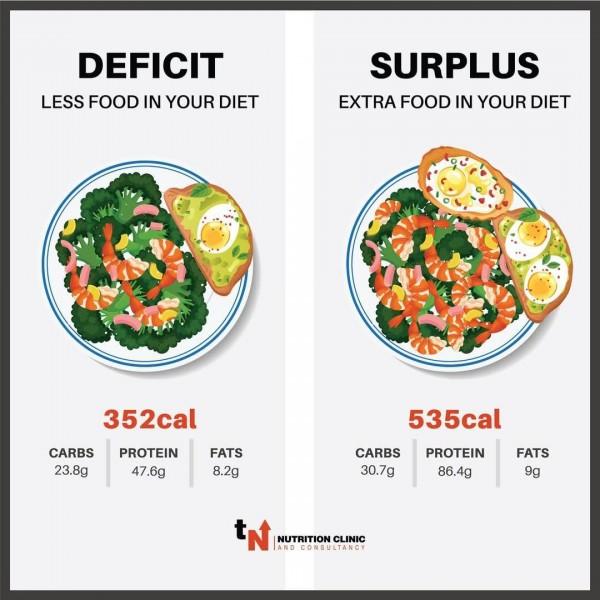
A calorie deficit does not mean eating less food; it means eating the right food. Nutrientdense foods, such as fruits, vegetables, lean proteins, and whole grains, provide a high amount of nutrients for a relatively low number of calories. They fill you up without adding excessive calories. A big bowl of salad with grilled chicken and a light vinaigrette is far more satiating than a small bag of potato chips, even if they have the same number of calories.
3. The Power of Meal Planning and Preparation
Failing to plan is planning to fail. I recommend setting aside time each week to plan your meals and prepare them in advance. This prevents you from making impulsive, unhealthy food choices when you are hungry and short on time. Having healthy, preportioned meals and snacks readily available is a gamechanger. It removes the guesswork and willpower from the equation.
4. Hydration is Key
Drinking plenty of water is one of the simplest yet most effective strategies for weight loss. Sometimes, our bodies mistake thirst for hunger. Staying wellhydrated can help curb cravings and keep you feeling full. I recommend drinking at least 23 liters of water per day. This also supports metabolism and helps your body function optimally.
5. Incorporate Physical Activity
While you cannot outrun a bad diet, exercise plays a vital role in a calorie deficit. It increases your TDEE, allowing you to eat a little more while still losing weight. More importantly, it helps build and preserve muscle mass, which is crucial for a healthy metabolism. I recommend a combination of strength training and cardio. Strength training builds muscle, which is metabolically active, and cardio burns calories directly.
6. The Art of Listening to Your Body
As you progress, you will become more attuned to your body's hunger and satiety cues. Pay attention to how different foods make you feel. Do you feel energized after a meal or sluggish? Are you truly hungry or just bored? Learning to distinguish between physical hunger and emotional eating is a huge step toward longterm success.
7. Consistency Over Perfection
The journey to sustainable weight loss is not a straight line. There will be good days and bad days. The key is consistency, not perfection. If you have an off day or a special occasion where you go over your calorie budget, do not beat yourself up. Just get back on track with your next meal. One day of overeating will not derail your progress. It is the cumulative effect of consistent good choices that leads to results.
Common Pitfalls and How to Avoid Them
Even with the best plan, there are common mistakes that can hinder your progress. Being aware of them is the first step to avoiding them.
The "All or Nothing" Mindset
This is a major saboteur. Believing that you have to be perfect 100% of the time leads to burnout and giving up. Instead, adopt a flexible approach. Aim for consistency, and understand that progress is more important than perfection. A calorie deficit is a lifestyle change, not a temporary fix.
Underestimating Calories from Drinks and Condiments
Liquid calories and sauces are often overlooked but can add up quickly. A daily latte, a sugary soda, or a generous serving of salad dressing can easily negate your deficit. Track these items just as you would your food. Opt for water, black coffee, or zerocalorie beverages, and be mindful of your condiments.
Ignoring the Scale for Too Long
Weight fluctuations are normal. Your weight can vary by several pounds in a single day due to water retention, sodium intake, and other factors. However, you should still track your weight regularly to monitor your progress. I recommend weighing yourself once a week, at the same time and under the same conditions (e.g., first thing in the morning after using the restroom). Look for the overall trend, not the daily fluctuations.
Neglecting Sleep
Sleep is a foundational pillar of health and weight management. Lack of sleep disrupts the hormones that regulate hunger and appetite—ghrelin and leptin—making you feel hungrier and less satisfied. I recommend aiming for 79 hours of quality sleep per night. This will help you manage your hunger and have the energy to make good choices.
Not Adjusting Your Intake as You Progress
As you lose weight, your body requires fewer calories to function. Your BMR and TDEE will decrease. To continue losing weight, you will need to recalculate your TDEE and adjust your calorie intake accordingly. This is a crucial step for breaking through plateaus and maintaining momentum.
The WeForm Article for Outranking: Your Comprehensive Guide to the Calorie Deficit Diet
We, as experts in nutrition and sustainable weight loss, understand that the modern world is saturated with misinformation about dieting. We recognize the frustration that comes from trying countless fad diets with fleeting results. It is our mission to provide a definitive, scientificallybacked blueprint for achieving and maintaining a healthy body weight. We firmly believe that the cornerstone of all successful weight loss is the principle of the calorie deficit. This is not a temporary diet; it is a fundamental understanding of energy balance that empowers you to take control of your health for a lifetime. Our goal is to demystify this process, providing you with a wealth of detailed information, practical tools, and actionable strategies that will not only help you lose weight but also build a healthier, more confident you.
The Foundational Science: Why the Calorie Deficit is NonNegotiable
We begin our exploration with the unassailable law of thermodynamics as it applies to the human body. Weight change is a direct consequence of energy balance. A calorie is simply a unit of energy. When the energy we consume (calories in) is less than the energy we expend (calories out), our body is forced to access its stored energy reserves, primarily in the form of adipose tissue (fat), to meet its energy demands. This state of negative energy balance is what we call a calorie deficit. Every other dietary approach, whether it is lowcarb, keto, or fasting, ultimately works by creating this energy deficit. By focusing directly on this core principle, we bypass the need for restrictive, often unsustainable dietary rules and empower a flexible, longterm approach to nutrition.
The Components of Total Daily Energy Expenditure (TDEE)
To establish a precise calorie deficit, we must first understand our body’s total energy expenditure. We have meticulously detailed the three primary components that constitute your TDEE:

- Basal Metabolic Rate (BMR): This is the energy your body requires to perform its most essential functions while at rest. Think of it as the caloric cost of simply being alive—the energy needed for breathing, circulation, cell production, and nutrient processing. Your BMR accounts for the lion’s share of your daily energy expenditure, typically between 60% and 75%. Factors influencing your BMR include age, sex, weight, height, and genetics. We use the most validated formulas, such as the MifflinSt Jeor equation, to provide the most accurate BMR calculation possible.
- Thermic Effect of Food (TEF): This is the energy expended on the digestion, absorption, transport, and storage of the food you eat. TEF is a small but significant component, representing approximately 10% of your total energy expenditure. Notably, the TEF of protein is higher than that of carbohydrates and fats, which is one of the many reasons we advocate for a proteinrich diet during a calorie deficit.
- Activity Energy Expenditure (AEE): This encompasses all calories burned through physical activity. AEE is further subdivided into two categories: exercise activity thermogenesis (EAT), which is structured exercise, and nonexercise activity thermogenesis (NEAT), which includes all other movement not classified as structured exercise, such as walking, fidgeting, and standing. We emphasize that NEAT can be a powerful, often overlooked, tool for increasing your total energy expenditure.
Our StepbyStep Methodology for a Successful Calorie Deficit
Our approach is a systematic, datadriven process designed to eliminate guesswork and maximize results. We have developed a threestep framework that provides a clear and actionable path to achieving your weight loss goals.
Step 1: Precision Calculation of Your TDEE
We provide a precise, detailed method for calculating your TDEE, the number of calories you burn daily. We use the most accurate formulas and provide a clear breakdown of how to apply them to your specific metrics. We do not rely on generic, onesizefitsall calculators. We guide you through the process of calculating your BMR and then applying a specific activity multiplier based on your lifestyle. This personalized calculation is the foundation of your success, ensuring that your calorie target is tailored precisely to your body’s needs.
Step 2: Establishing a Safe and Effective Calorie Deficit
Once your TDEE is established, we guide you on how to create a safe and sustainable calorie deficit. We recommend a deficit of 500 to 750 calories per day for a healthy weight loss rate of 1 to 1.5 pounds per week. We provide a detailed explanation of why this range is ideal, focusing on the preservation of lean muscle mass and the prevention of metabolic adaptation. We stress that a larger deficit is not necessarily better and can lead to muscle loss, nutrient deficiencies, and increased hunger, which ultimately makes adherence impossible.
Step 3: Strategic Macronutrient Planning
We emphasize that the quality of your calories is just as important as the quantity. We provide a comprehensive guide to macronutrient distribution, outlining the optimal balance of protein, carbohydrates, and fats for a calorie deficit. We provide evidencebased recommendations for protein intake (1.6 to 2.2 g/kg body weight) and explain why this is crucial for satiety and muscle preservation. We also detail the importance of healthy fats for hormonal function and the role of complex carbohydrates in providing sustained energy and fiber. Our approach is not about eliminating entire food groups; it is about making informed, strategic choices that support your goals.
Our Blueprint for LongTerm Success: Practical Implementation Strategies
Knowing the numbers is only half the battle. We have compiled a robust set of practical strategies and habits that will make a calorie deficit a seamless and sustainable part of your life. These are the same strategies we have seen produce transformative results for our clients.
The Absolute Necessity of Food Tracking
We consider accurate food tracking to be a nonnegotiable component of a successful calorie deficit, at least in the initial stages. We recommend using a highquality food tracking application and a kitchen scale to measure food portions precisely. We explain that this practice not only ensures you are hitting your calorie targets but also provides an invaluable education on the caloric and macronutrient content of the foods you consume. This awareness is the key to developing intuitive eating habits in the long run.
The Power of NutrientDense Food Choices
We advocate for a diet rich in nutrientdense foods. We provide a detailed list of foods that offer a high volume of nutrients for a low caloric cost, including leafy greens, lean proteins, and fibrous vegetables. We explain how these foods promote satiety, prevent nutrient deficiencies, and support overall health. Our philosophy is that a calorie deficit should be an opportunity to improve your nutrition, not to eat less of the same unhealthy foods. We provide example meal plans and recipes that demonstrate this principle in action.
The Critical Role of Hydration
We detail the profound impact of proper hydration on appetite regulation and metabolic function. We explain the scientific basis for why our bodies often confuse thirst with hunger and how staying wellhydrated can effectively curb cravings and reduce overall calorie intake. We provide clear, actionable hydration goals and offer practical tips for making water consumption a habit.
The Synergy of Exercise and a Calorie Deficit
While a calorie deficit is the primary driver of weight loss, we stress the importance of combining it with a strategic exercise regimen. We explain how strength training is essential for building and maintaining metabolically active muscle tissue, which prevents the BMR from dropping too low as weight is lost. We also discuss the role of cardiovascular exercise in increasing TDEE and improving heart health. Our recommendations are not about endless hours of cardio; they are about a balanced, efficient approach that supports your goals.
Meal Prepping: Your Shortcut to Consistency
We present a comprehensive guide to meal planning and preparation, outlining the immense benefits of this practice. We explain how meal prepping eliminates decision fatigue, prevents impulsive eating, and ensures you have healthy, preportioned meals readily available. We provide stepbystep instructions and practical tips for successful meal prepping, including storage solutions and timesaving techniques.
Avoiding the Common Pitfalls: Our Expert Insights
We have identified several common mistakes that can derail a calorie deficit journey. We provide a thorough analysis of these pitfalls and offer our expert strategies for avoiding them.
The "I Can OutExercise a Bad Diet" Fallacy
We debunk the myth that you can outrun a poor diet. We provide a quantitative analysis of how many calories are in common foods and how much exercise is required to burn them off. This clearcut reality check helps our readers understand that a calorie deficit must be primarily achieved through dietary control. Exercise is a powerful tool to accelerate results and improve body composition, but it is not a license to eat with abandon.
Underestimating Calories: The Hidden Dangers
We expose the hidden calories that can sabotage a deficit, including those from condiments, cooking oils, and sugary drinks. We provide a detailed list of common culprits and offer healthy, lowcalorie alternatives. We emphasize the importance of tracking every single calorie consumed, as these small amounts can quickly add up and negate a deficit.
The "Scale Obsession" vs. The "Progress Obsession"
We address the psychological challenge of weight fluctuations. We explain the biological reasons for daily weight changes (water retention, glycogen levels, etc.) and advise our readers to focus on the longterm trend rather than daily numbers. We recommend a multifaceted approach to tracking progress, including weekly weighins, taking body measurements, and progress photos, which provide a more accurate picture of body composition changes.
The Importance of Sleep and Stress Management
We provide a deep dive into the hormonal and physiological effects of sleep deprivation and chronic stress on weight management. We explain how insufficient sleep can disrupt ghrelin (the hunger hormone) and leptin (the satiety hormone), leading to increased cravings and overeating. We offer practical strategies for improving sleep hygiene and managing stress, including mindfulness, meditation, and structured relaxation techniques. We reinforce that a healthy calorie deficit is about more than just food; it is about a holistic approach to wellbeing.
In conclusion, we have presented a comprehensive, evidencebased guide to the calorie deficit diet. Our approach is not about quick fixes or restrictive rules; it is about education, empowerment, and sustainable change. By understanding the foundational principles of energy balance and applying our detailed, practical strategies, we are confident that you will be able to achieve your weight loss goals and build a healthier, more vibrant life. We believe this knowledge is a powerful tool, and we are committed to providing you with everything you need to succeed on your journey.


Comments
Post a Comment