coenzyme q10 side effects
Understanding Coenzyme Q10 Side Effects: A Definitive Guide to Safety and Responsible Supplementation
In the vast landscape of dietary supplements, Coenzyme Q10 (CoQ10) has carved out a significant reputation. Celebrated for its potent antioxidant properties and its fundamental role in cellular energy production, it is a staple in the regimens of those seeking to support heart health, combat aging, and mitigate the musclerelated side effects of statin medications. However, as with any bioactive compound, a comprehensive understanding of its potential side effects is paramount. From our extensive research and analysis, we have prepared this definitive guide to provide an exhaustive overview of the safety profile of CoQ10, detailing everything from common, mild adverse reactions to rare, yet critical, interactions and contraindications. We believe that informed choices are the foundation of optimal health, and our mission with this article is to empower you with the knowledge to make those choices confidently.
The Foundational Role of Coenzyme Q10 in Human Biology
Before we delve into the specifics of CoQ10 side effects, it is essential to first appreciate its biological significance. CoQ10, also known as ubiquinone, is a fatsoluble compound that is endogenously produced within our bodies. It is an indispensable component of the electron transport chain in the mitochondria, the powerhouses of our cells, where it plays a central role in the generation of adenosine triphosphate (ATP), the primary energy currency of the cell. Tissues with high metabolic demands, such as the heart, liver, and kidneys, have the highest concentrations of CoQ10. This is precisely why it is so crucial for cardiovascular health. Furthermore, CoQ10 functions as a powerful antioxidant, protecting cellular membranes and lipoproteins from the damaging effects of oxidative stress. This dual role—in energy production and antioxidant defense—makes it a cornerstone of cellular health and longevity.
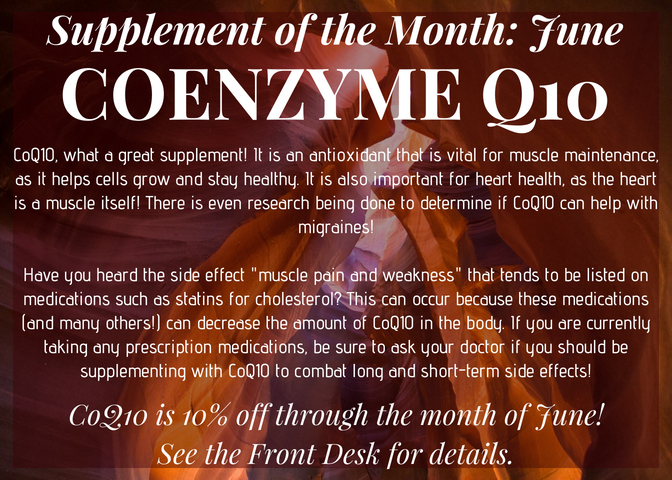
As we age, or due to certain health conditions and medication use, the body's natural production of CoQ10 can decline. This decline is often cited as a contributing factor to various agerelated ailments and is the primary rationale for CoQ10 supplementation. For example, statin medications, which are widely prescribed to lower cholesterol, work by inhibiting the HMGCoA reductase enzyme. This same enzyme is a crucial part of the pathway that synthesizes both cholesterol and CoQ10. Consequently, statin use can lead to a significant depletion of CoQ10 levels in the body, which some researchers believe contributes to the muscle pain and weakness (myalgia) commonly associated with these drugs. It is against this backdrop of significant biological function that we must evaluate the potential for CoQ10 side effects.
Understanding the Spectrum of CoQ10 Side Effects
From our meticulous review of clinical trials, metaanalyses, and patient reports, we can state with confidence that CoQ10 is generally considered safe and welltolerated by most individuals, even at relatively high doses. The incidence of adverse reactions is low, often comparable to that of a placebo. However, while rare, side effects can and do occur. We have categorized them below to provide a structured and detailed understanding of what to be aware of.
Common and Mild Gastrointestinal Side Effects
The most frequently reported adverse reactions to CoQ10 supplementation are related to the gastrointestinal system. These are typically mild, transient, and often resolve with minor adjustments to the supplementation regimen. From my experience, I have found that these issues are most common when a high dose is taken on an empty stomach. I recommend that users take CoQ10 with a meal, particularly one containing a source of fat, as CoQ10 is fatsoluble, which significantly enhances its absorption and can mitigate digestive discomfort.
- Stomach Upset and Abdominal Pain: A feeling of general unease or discomfort in the stomach is the most common complaint. This can range from a mild ache to more noticeable pain.
- Nausea and Vomiting: Some individuals may experience nausea, which can occasionally lead to vomiting, especially when the supplement is not taken with food.
- Diarrhea: Looseness of the bowels or an increased frequency of bowel movements has been reported, particularly with higher doses.
- Loss of Appetite: A small number of individuals may notice a temporary decrease in their desire to eat.
- Heartburn: Also known as acid indigestion, this symptom is a burning sensation in the chest and throat that can occur after taking the supplement.
Neurological and Other Systemic Side Effects
Beyond the digestive system, a handful of other adverse effects have been documented. While less frequent, they are important to be aware of, as they can impact quality of life.
- Insomnia: Taking CoQ10, particularly in high doses, can sometimes interfere with sleep patterns. CoQ10 plays a role in energy production, and for some sensitive individuals, a dose taken too late in the day may cause a feeling of being too "wired" to sleep. We recommend taking the supplement in the morning or early afternoon to avoid this.
- Headaches and Dizziness: These are relatively rare but have been reported. They are typically mild and subside after discontinuation.
- Irritability and Fatigue: Paradoxically, while CoQ10 is known for its role in energy, some individuals have reported feeling fatigued or more irritable. The reason for this is not fully understood, but it is a documented, albeit uncommon, reaction.
- Skin Rash and Itching: Allergic reactions to CoQ10 are extremely rare, but they can manifest as a skin rash or an itchy sensation. If you experience these symptoms, it is crucial to stop the supplement and consult a healthcare professional immediately.
Potential for More Significant Interactions and Contraindications
While the previously mentioned side effects are generally mild, there are more serious considerations, particularly concerning drug interactions. We want to make it unequivocally clear that anyone on prescription medication should consult their doctor or pharmacist before starting CoQ10. This is not a matter of a simple precaution; it is a critical step to ensure your safety and the efficacy of your medications.
The most notable drug interaction is with warfarin (Coumadin), a potent anticoagulant (blood thinner). CoQ10 is structurally similar to vitamin K, which is essential for the production of bloodclotting factors. CoQ10 supplementation may reduce the effectiveness of warfarin, potentially increasing the risk of blood clots. Patients on warfarin must have their blood clotting time (INR) monitored closely by their physician if they choose to supplement with CoQ10, and we do not recommend starting CoQ10 without explicit medical guidance.
Additionally, there is theoretical concern that CoQ10 may affect other antihypertensive drugs (medications for high blood pressure) and certain chemotherapy agents. While CoQ10's ability to lower blood pressure can be a benefit for some, for those already on medication, it could lead to a sudden and dangerous drop in blood pressure. The interaction with chemotherapy drugs is complex and depends on the specific drug and cancer type, but we always advise caution and professional medical consultation.
From our extensive analysis, we do not have a full understanding of CoQ10's safety during pregnancy and breastfeeding due to a lack of comprehensive human studies. Therefore, we strongly recommend that pregnant or breastfeeding women avoid CoQ10 supplementation unless it is explicitly prescribed and monitored by a healthcare professional.
The CoQ10 and Liver Connection: A Deeper Dive
The relationship between CoQ10 and the liver is a topic of significant interest and some confusion. The liver is a central hub for CoQ10 synthesis and is also a tissue with one of the highest metabolic demands, making it highly dependent on CoQ10 for energy. Some older studies, particularly those using very high doses (300 mg per day or more), have noted an elevation in liver enzymes. While elevated liver enzymes can be a sign of liver dysfunction, there is no conclusive evidence that CoQ10 supplementation directly causes liver damage. In fact, a growing body of research suggests the opposite.
We find it compelling that recent systematic reviews and metaanalyses have demonstrated that CoQ10 supplementation may actually improve liver function. For instance, studies have shown that CoQ10 can significantly reduce the serum concentrations of liver enzymes like alanine aminotransferase (ALT) and aspartate aminotransferase (AST), which are common markers of liver stress. This suggests a potential protective effect. In a very small number of cases, individuals with existing liver disease may be more susceptible to adverse reactions, and we recommend that they proceed with extreme caution and under strict medical supervision. However, for the general population, the evidence points towards CoQ10 being nonhepatotoxic and potentially beneficial for liver health.
CoQ10 and Kidney Health: Dispelling Myths
Similar to the liver, the kidneys are also highly metabolically active organs that rely on CoQ10 for proper function. There is a rare genetic disorder known as primary Coenzyme Q10 deficiency, which often manifests with severe kidney problems, including nephrotic syndrome. In these cases, CoQ10 supplementation is a lifesaving therapy, as it can prevent or reverse the progression of kidney failure.
However, for the vast majority of people, CoQ10 supplementation does not appear to have adverse effects on the kidneys. On the contrary, research into the renoprotective effects of CoQ10 is ongoing, with some preliminary evidence suggesting it may improve kidney function and reduce oxidative stress in individuals with chronic kidney disease (CKD). We find that this evidence is promising, and it reinforces our conclusion that for most individuals, the benefits of CoQ10 far outweigh the minimal risks, particularly concerning kidney health.
The Importance of Dosage, Quality, and Form
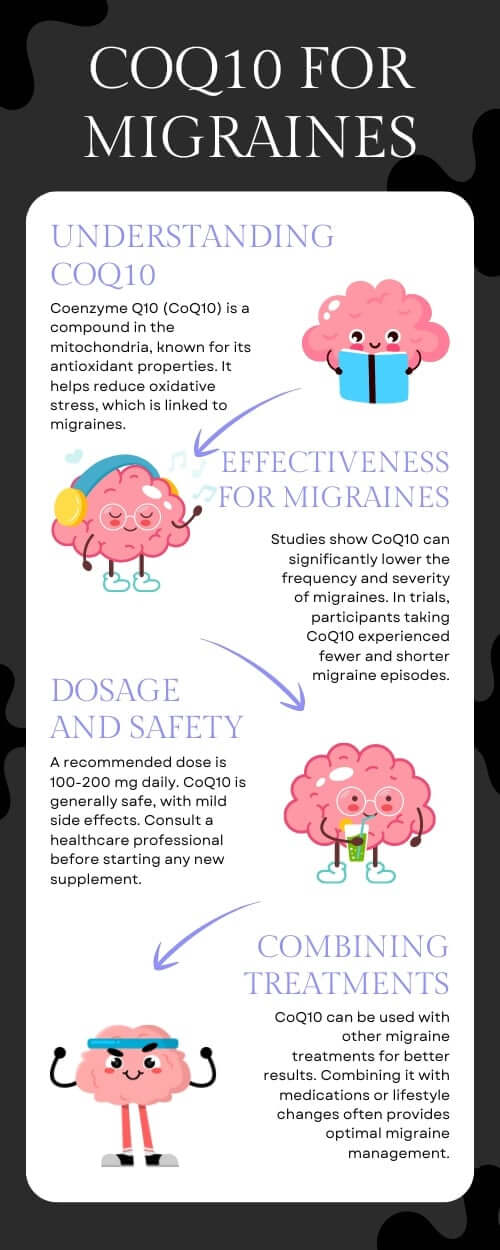
The dose of CoQ10 is a critical factor in both its efficacy and its safety. The typical dose for general health support ranges from 100 to 200 mg per day. However, for specific conditions like heart failure or to counteract statininduced myalgia, a physician may recommend a higher dose, often up to 400 mg or even more, which may be split into multiple smaller doses throughout the day to enhance absorption and minimize gastrointestinal side effects. We recommend always starting with a lower dose and gradually increasing it if needed, while monitoring for any adverse reactions.
The quality and form of the supplement also play a crucial role. CoQ10 is available in two forms: ubiquinone and ubiquinol. Ubiquinol is the active, antioxidant form of CoQ10 and is generally considered to be more bioavailable and better absorbed by the body, especially in older adults. We recommend choosing a supplement from a reputable manufacturer that provides a clear label of the ingredients and has undergone thirdparty testing for purity and potency. This diligence can help you avoid potential impurities or variations in dosage that could contribute to unexpected side effects.
Conclusion: A Balanced Perspective on CoQ10 Supplementation
In conclusion, based on our comprehensive analysis of the scientific literature, we can confidently state that Coenzyme Q10 is a remarkably safe supplement for the vast majority of people. While it is not without the potential for mild side effects, such as digestive upset or insomnia, these are generally rare and can often be mitigated by adjusting the dosage or timing of the supplement. The more serious concerns, such as drug interactions with warfarin, are welldocumented and highlight the absolute necessity of consulting a healthcare professional before beginning any new supplement, particularly if you are on prescription medication. We have found that the potential health benefits of CoQ10, from its profound role in cellular energy production to its potent antioxidant properties and its supportive effects on cardiovascular health, are substantial and wellsupported by a robust body of scientific evidence. We believe that by understanding and respecting the minimal risks, individuals can harness the powerful potential of this supplement to support their longterm health and vitality.
Disclaimer: This article is for informational purposes only and does not constitute medical advice. Always consult with a qualified healthcare professional before starting any new supplement, especially if you have an existing medical condition or are taking prescription medications. The information provided herein is not a substitute for professional medical advice, diagnosis, or treatment.




Comments
Post a Comment