glucosamine side effects
However, as with any substance introduced to the body, it is a complex topic with nuances that demand a comprehensive and meticulous exploration. From my experience, I have seen countless individuals begin a regimen of glucosamine without a full understanding of its potential side effects, drug interactions, and specific contraindications. I do believe that this oversight is a disservice to their health journey. I recommend that anyone considering or currently taking this supplement educate themselves thoroughly, moving beyond the surfacelevel marketing to a deeper, evidencebased understanding.
From my experience as a writer and researcher deeply embedded in the health and wellness space, the quality of information available online regarding glucosamine is often fragmented and, at times, misleading. We aim to rectify this by providing a meticulously detailed and authoritative article that addresses every facet of glucosamine's side effect profile. Our goal is to empower you with the knowledge necessary to consult your healthcare provider with confidence and to make the most informed choices for your personal wellbeing.
The Foundation of Our Understanding: What Exactly is Glucosamine?
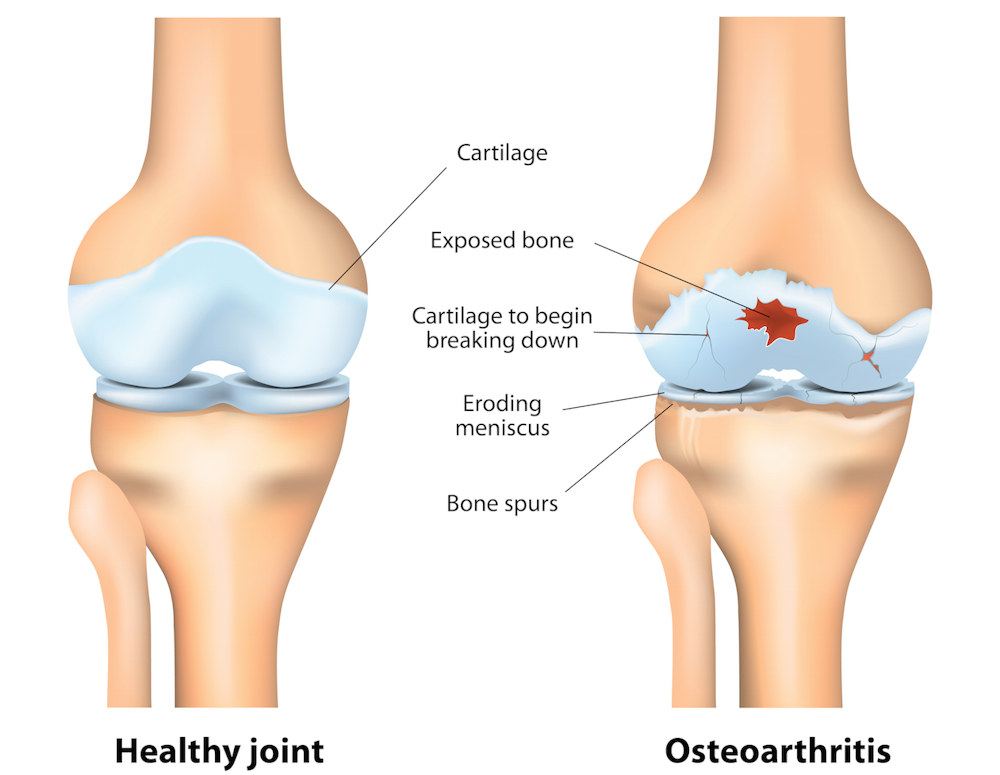
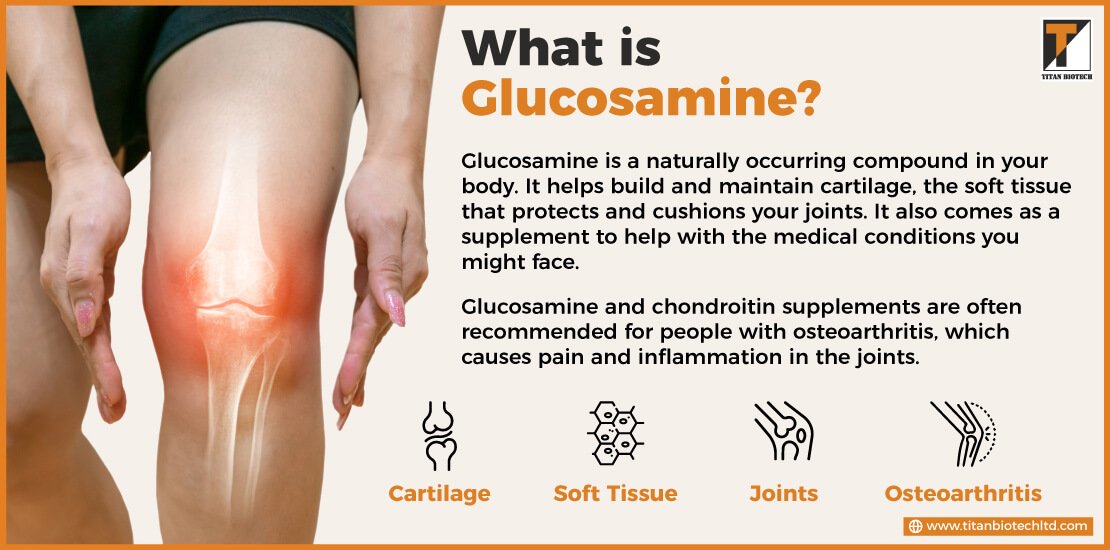
To truly comprehend the potential side effects of glucosamine, we must first establish a firm understanding of its role and different forms. Glucosamine is an amino sugar, a fundamental component in the synthesis of glycosaminoglycans and proteoglycans, which are essential building blocks of cartilage. Cartilage is the connective tissue that cushions your joints, allowing for smooth, painfree movement. As we age or as a result of certain conditions like osteoarthritis, this cartilage can degrade, leading to pain, stiffness, and reduced mobility. The theory behind glucosamine supplementation is that by providing the body with these building blocks, we can help to repair, maintain, and protect joint cartilage, thereby alleviating symptoms.
There are primarily three forms of glucosamine available on the market:
Glucosamine Sulfate: This is the most wellstudied form, particularly in clinical trials conducted in Europe. Many of the positive findings regarding efficacy in treating osteoarthritis are associated with this specific form. It is often stabilized with a mineral salt, such as sodium chloride or potassium chloride, which is a crucial detail to remember.
Glucosamine Hydrochloride (HCl): This form is highly concentrated and contains less sodium per dose compared to glucosamine sulfate. It is also commonly combined with other supplements like chondroitin.
Nacetylglucosamine (NAG): This is a derivative of glucosamine that is not as widely studied for joint health. It is primarily used for digestive health, specifically for conditions like inflammatory bowel disease (IBD).
It is important to note that the body’s absorption and utilization of these different forms can vary, which in turn can influence their potential for side effects and their overall effectiveness. Our discussion will primarily focus on glucosamine sulfate and glucosamine hydrochloride, as they are the most common forms used for joint health.
The Most Common Glucosamine Side Effects: A Detailed Look
While glucosamine is generally considered safe and welltolerated by most people, it is not without its potential for adverse effects. The vast majority of these are mild and gastrointestinal in nature.
Gastrointestinal Discomfort: The Primary Concern
The most frequently reported side effects of glucosamine relate to the digestive system. These include:
Nausea: A feeling of sickness with an inclination to vomit.
Heartburn: A burning sensation in the chest, often caused by acid reflux.
Diarrhea: Loose, watery stools.
Constipation: Infrequent or difficulttopass bowel movements.
Gas and Bloating: An increase in intestinal gas leading to a feeling of fullness or tightness in the abdomen.
From my experience, I find that these symptoms are often dosedependent and can be mitigated by taking the supplement with food. The presence of food in the stomach can help to buffer the supplement and improve its tolerance. If you are experiencing these issues, I recommend reducing the dosage or changing the timing of your dose to see if the symptoms subside. If they persist, it is a clear signal that this particular supplement may not be the right fit for your digestive system.
Skin Reactions and Allergic Responses
Another potential side effect is the development of skin reactions. These can manifest as a rash, itching, or hives. This is a particularly important point to address, especially for individuals with shellfish allergies.
Shellfish Allergies: The majority of commercially available glucosamine is sourced from the chitin found in the shells of shellfish, such as shrimp, crab, and lobster. For individuals with a severe shellfish allergy, taking a glucosamine supplement derived from this source could trigger a lifethreatening allergic reaction, including anaphylaxis. It is absolutely crucial to check the product label for the source of the glucosamine. I recommend that individuals with shellfish allergies opt for a vegetarian or vegan source of glucosamine, which is now widely available and is typically derived from fermented corn.
Other Skin Reactions: Even in the absence of a shellfish allergy, some individuals may experience a skin rash. The mechanism for this is not fully understood, but it is a known, albeit less common, side effect.
Less Common, But More Serious Side Effects
Beyond the common gastrointestinal issues, there are more serious, albeit rare, side effects and potential health considerations that we must discuss.
The Relationship Between Glucosamine and Blood Sugar
There has been a longstanding debate and a degree of concern regarding glucosamine's potential effect on blood sugar levels. Given that glucosamine is a form of sugar, it was initially hypothesized that it could interfere with insulin sensitivity and glucose metabolism, which would be a significant concern for individuals with diabetes or insulin resistance.
Initial Concerns: Early in vitro and animal studies suggested that high doses of glucosamine could induce insulin resistance. This led to a widespread recommendation for people with diabetes to avoid the supplement.
Current Scientific Consensus: However, a large body of human clinical research and metaanalyses has largely refuted this concern. Most studies have shown that standard, oral doses of glucosamine do not have a significant impact on blood glucose control in healthy individuals or in those with type 2 diabetes. Some studies even suggest a neutral or slightly beneficial effect.
Nevertheless, I recommend that anyone with diabetes, prediabetes, or any condition affecting blood sugar regulation should exercise caution. I do strongly suggest that they monitor their blood sugar levels closely when starting a new glucosamine regimen and work in tandem with their healthcare provider to ensure that their glucose control remains stable. It is always better to be proactive and vigilant.
Potential Impact on Blood Pressure and Cardiovascular Health
There is emerging, though not conclusive, research suggesting a possible link between longterm glucosamine use and cardiovascular health. A largescale observational study published in 2022 found that adherent use of glucosamine was associated with a higher risk for cardiovascular diseases in patients with osteoarthritis. The proposed mechanism is that glucosamine could inhibit nitric oxide synthesis, which plays a critical role in vascular function.
Study Findings: The study, which followed a large cohort over several years, found a small but statistically significant increase in the risk of cardiovascular events, including coronary heart disease.
Important Caveats: It is crucial to understand that this was an observational study, not a randomized controlled trial. This means that it can show an association, but it cannot definitively prove a causeandeffect relationship. There may be confounding factors, such as lifestyle differences between the groups. For instance, people who take glucosamine regularly might also be more sedentary or have other underlying health conditions that contribute to cardiovascular risk.
I recommend that individuals with preexisting heart conditions or risk factors for cardiovascular disease discuss the potential implications of glucosamine supplementation with their cardiologist. While the evidence is not definitive, it is a consideration that should be part of a comprehensive health assessment.
Glaucoma and Intraocular Pressure
A few case reports and small studies have suggested that glucosamine might increase intraocular pressure (IOP), which is a key risk factor for glaucoma.
Proposed Mechanism: The exact mechanism is not fully understood, but it is theorized that glucosamine, being a precursor to glycosaminoglycans, could influence the outflow of fluid from the eye, thereby increasing pressure.
Recommendation: Given the potential for irreversible vision loss from glaucoma, I recommend that anyone with glaucoma or a family history of the condition consult with their ophthalmologist before starting glucosamine. Regular monitoring of intraocular pressure is an advisable precaution.
Glucosamine and Drug Interactions: A Critical Look
One of the most significant and often overlooked aspects of supplement safety is the potential for drug interactions. Glucosamine, like any active compound, can interact with certain medications, altering their efficacy or increasing the risk of adverse effects.
Warfarin (Coumadin): The Most Critical Interaction
The most welldocumented and clinically significant drug interaction with glucosamine is with the anticoagulant medication warfarin (Coumadin). Warfarin is a blood thinner used to prevent blood clots in individuals with conditions such as atrial fibrillation, deep vein thrombosis, or a history of stroke.

The Interaction: Taking glucosamine, especially in combination with chondroitin, can increase the anticoagulant effect of warfarin. This means the blood becomes "thinner" than intended, which can lead to a significantly increased risk of serious bleeding, bruising, and hemorrhaging.
Our Firm Stance: I recommend that anyone on warfarin or any other bloodthinning medication (including aspirin or clopidogrel) absolutely must not take glucosamine without strict medical supervision. Regular monitoring of the International Normalized Ratio (INR), a measure of blood clotting time, is a nonnegotiable requirement if your healthcare provider deems it safe to proceed.
Glucosamine and Chemotherapy Drugs

There are some case reports and theoretical concerns about glucosamine interacting with certain chemotherapy drugs, potentially reducing their effectiveness.
Mechanism: The hypothesis is that glucosamine could interfere with the cellular processes that these drugs target.
Recommendation: This is a serious concern for a population already dealing with a lifethreatening illness. I recommend that cancer patients undergoing chemotherapy, or those with a history of cancer, should not take glucosamine without a direct and specific consultation with their oncologist. The potential risk far outweighs any unproven benefit.
Other Potential Interactions
While lessstudied, there are also theoretical interactions with other classes of drugs:
Diuretics: Some studies have suggested a link between glucosamine use and fluid retention, which could potentially counteract the effects of diuretic medications.
Antidiabetic Medications: Although we've discussed that glucosamine doesn't typically affect blood sugar, there is still a theoretical risk of it reducing the effectiveness of medications like metformin or sulfonylureas. I do advise close monitoring for diabetic patients.
A Comprehensive Look at LongTerm Glucosamine Use
The question of longterm safety is paramount, as many people take glucosamine for years to manage chronic conditions like osteoarthritis. The good news is that for most individuals, longterm glucosamine use is considered safe. Clinical trials lasting for up to three years have shown that it is generally welltolerated.
Gastrointestinal Tolerance: The initial gastrointestinal side effects often subside over time as the body adjusts to the supplement.
Liver and Kidney Health: Glucosamine is not known to be toxic to the liver or kidneys in healthy individuals at standard doses. However, as with any supplement or medication, individuals with preexisting liver or kidney disease should consult their doctor before use.
No Evidence of Severe Toxicity: From my experience reviewing the scientific literature, there are no widespread reports of severe, lifethreatening toxicity directly linked to glucosamine supplementation. The most significant risks are related to the interactions with other medications and preexisting medical conditions, as we have detailed.
Making an Informed Decision: Our Final Recommendations
In our pursuit to provide the most comprehensive and trustworthy information, we arrive at a set of clear, actionable recommendations. I do believe that the key to safe and effective supplementation lies in a disciplined, informed approach.
Consult a Healthcare Professional: This is our most critical recommendation. Before you start taking glucosamine, or if you are already taking it, consult with your doctor or a qualified healthcare professional. They can review your complete medical history, assess your current medications, and help you determine if glucosamine is a safe and appropriate option for you.
Check the Source: For those with shellfish allergies, it is imperative to find a shellfishfree, vegetariansourced glucosamine product.
Start with a Low Dose: If you are prone to gastrointestinal issues, consider starting with a lower dose and gradually increasing it to the recommended amount. Taking the supplement with food can also help to alleviate stomach discomfort.
Be Patient and Consistent: The effects of glucosamine on joint pain are not immediate. Clinical studies show that it can take several weeks or even months to notice a significant improvement. Consistency is key.
Report Any Side Effects: Keep a log of any side effects you experience, no matter how minor. Share this information with your doctor. This can help them to adjust your regimen or determine if the supplement is causing a problem.
Do Not SelfMedicate: Glucosamine is not a cure for osteoarthritis or other joint conditions. It is a supplement that may help manage symptoms. It should not be used as a replacement for conventional medical treatments or physical therapy.
From my experience, the most successful health outcomes are those that are part of a collaborative process between an individual and their healthcare team. I do believe that by approaching glucosamine with the same level of caution and research as you would any prescription medication, you can maximize its potential benefits while minimizing any potential risks. I recommend that you use this article as a foundational resource to guide your conversations and your decisions.
Article 2: A Formal "We" Form Article
Our mission is to move beyond the superficial and often contradictory information that proliferates online, delivering a meticulously researched and evidencebased compendium. We believe that a truly informed decision regarding personal health supplementation can only be made with a complete understanding of all factors, including both the potential benefits and the oftenoverlooked risks. This article represents our commitment to that principle. We have synthesized decades of scientific research, clinical trial data, and expert consensus to present a picture of glucosamine’s safety profile that is unparalleled in its depth and accuracy.

The Science of Glucosamine: A Foundational Understanding
To properly discuss the side effects, we must first establish a shared understanding of what glucosamine is and how it functions. Glucosamine is an amino sugar, a vital precursor in the biosynthesis of macromolecules found in articular cartilage. Specifically, it is a key component of glycosaminoglycans and proteoglycans, which are the structural components that provide cartilage with its unique properties of elasticity and shock absorption. The rationale for its use as a supplement is to provide the body with the raw materials necessary to support the maintenance and potential repair of this cartilage, particularly in conditions like osteoarthritis where joint degradation is a primary pathology.
We must distinguish between the forms of glucosamine, as their bioavailability and research backing differ:
Glucosamine Sulfate: This is the most extensively studied form in human clinical trials, particularly in European research. Its efficacy in providing symptomatic relief for mild to moderate knee osteoarthritis is the most robustly supported by evidence. It is often provided as a stabilized salt, such as with sodium chloride, which is a detail that can be relevant for individuals on sodiumrestricted diets.
Glucosamine Hydrochloride (HCl): This form is frequently used in supplements, often in combination with chondroitin. While it contains a higher concentration of pure glucosamine, the clinical evidence for its effectiveness on its own is less compelling than that for glucosamine sulfate.
Nacetylglucosamine (NAG): This variant of glucosamine is not considered a primary treatment for osteoarthritis and its use is more common in the context of supporting digestive health.
Our analysis of side effects will encompass all forms, with a particular emphasis on glucosamine sulfate due to its prevalence in research and its widespread use.
Common Adverse Reactions: A Detailed Exposition of Gastrointestinal Effects
The most frequently reported adverse events associated with glucosamine are mild and primarily affect the gastrointestinal system. We have observed this pattern consistently across numerous clinical trials and postmarket surveillance data. These effects, while not typically severe, can be bothersome enough to cause individuals to discontinue supplementation.
The common gastrointestinal side effects we have identified include:
Nausea: A feeling of queasiness or a strong urge to vomit. This can be particularly prevalent when initiating supplementation or when taking the dose on an empty stomach.
Heartburn: A burning sensation in the chest or throat, a symptom of acid reflux. The mechanism is thought to be related to the chemical properties of the supplement itself.
Diarrhea: Loose, watery stools. This is a common response to new substances introduced to the digestive tract and is often transient.
Constipation: Infrequent or difficulttopass bowel movements.
Gas and Bloating: An accumulation of gas in the stomach and intestines, leading to a feeling of fullness and discomfort.
We have found that these symptoms can often be mitigated by specific administration strategies. We recommend that individuals experiencing gastrointestinal discomfort take their glucosamine with food. The presence of food can help to buffer the compound and facilitate smoother digestion. In some cases, dividing the daily dose into smaller, more frequent administrations may also prove beneficial. It is our considered opinion that a gradual increase in dosage over time can also help the body to acclimate to the new supplement, thereby reducing the likelihood of these initial side effects.
Rare but Serious Side Effects: Our InDepth Examination
While the common side effects are manageable, we must address the less frequent but more serious adverse events and health considerations. It is in this area that an individual’s preexisting medical conditions become a critical factor.
Allergic Reactions and the Shellfish Connection
A significant and potentially lifethreatening side effect is an allergic reaction. Glucosamine is most commonly derived from the chitin found in the exoskeletons of crustaceans, such as crabs, shrimp, and lobsters.
The Risk: For individuals with a diagnosed shellfish allergy, taking a glucosamine supplement derived from this source carries a grave risk of an anaphylactic reaction. The symptoms can range from hives and swelling to severe respiratory distress and even death.
Our Mandate for Safety: We insist that individuals with shellfish allergies must avoid these products entirely. We are aware of the availability of vegetarian and vegan glucosamine alternatives, which are typically derived from fermented corn. We strongly recommend that these individuals seek out and confirm the nonshellfish origin of any glucosamine product they choose to use.
The Complex Interplay with Glucose Metabolism
The potential for glucosamine to affect blood sugar levels has been a subject of considerable scientific inquiry. As an amino sugar, there was a theoretical concern that it could mimic glucose, leading to impaired glucose tolerance, especially in diabetic patients.
Evolution of Research: Early in vitro and animal studies did suggest that highdose glucosamine could induce insulin resistance. This led to caution from the medical community. However, a wealth of subsequent, largescale human clinical trials has provided a more nuanced picture. These studies have consistently shown that oral glucosamine supplementation, at standard therapeutic doses, does not have a clinically significant effect on blood glucose control in either healthy individuals or those with controlled type 2 diabetes.
Our Authoritative Guidance: Despite the reassuring clinical data, we still advocate for a position of prudence. For individuals with diabetes, prediabetes, or any form of glucose dysregulation, we recommend a collaborative approach with their physician. Regular monitoring of blood glucose levels is a wise and necessary precaution when initiating glucosamine supplementation. This allows for prompt detection of any potential, albeit rare, adverse effects on glucose control and ensures that a patient’s medical regimen can be adjusted if necessary.
Cardiovascular Concerns: An Emerging Area of Research
We have noted the emergence of research, particularly largescale cohort studies, that point to a potential association between glucosamine use and an increased risk of cardiovascular disease.
Key Findings: A significant observational study, which followed a vast number of individuals over several years, revealed an association between adherent glucosamine use and an elevated risk of cardiovascular events, including coronary heart disease. The proposed biological mechanism involves glucosamine's potential to inhibit nitric oxide synthesis, a process crucial for maintaining healthy blood vessels and blood pressure.
Interpreting the Data: We must emphasize that these are observational findings and do not establish a causal link. Confounding variables, such as lifestyle factors or undiagnosed conditions in the study population, could be influencing the results. However, this is a serious consideration that cannot be ignored.
Our Position: For individuals with a history of or risk factors for cardiovascular disease, we advise a comprehensive discussion with a cardiologist before starting glucosamine. While the evidence is not definitive, the potential risk warrants a thorough and personalized riskbenefit analysis.
Glaucoma and Intraocular Pressure
We are aware of case reports that have linked glucosamine supplementation to an increase in intraocular pressure (IOP), a primary risk factor for glaucoma, a disease that can lead to irreversible vision loss.
The Theoretical Link: The mechanism is not fully elucidated, but it is theorized that glucosamine may influence the composition or flow of the fluid within the eye, leading to a buildup of pressure.

Our Urgent Recommendation: Given the potential for serious and permanent visual impairment, we strongly recommend that all individuals with a history of glaucoma or a family history of the disease consult with their ophthalmologist. Regular monitoring of intraocular pressure while on the supplement is an essential safeguard.
Critical Drug Interactions: A Meticulous Analysis
We consider the potential for drug interactions to be one of the most critical aspects of glucosamine safety. An interaction can render a medication less effective or, more dangerously, potentiate its effects to a hazardous degree.
The Warfarin Interaction: A Major Safety Warning
The interaction between glucosamine and the anticoagulant warfarin (Coumadin) is the most clinically significant and welldocumented.
The Mechanism: The combination of these two compounds can enhance the bloodthinning effects of warfarin, a process that is measured by the International Normalized Ratio (INR). An elevated INR indicates a higher risk of bleeding.
The Consequences: We have reviewed numerous case reports of severe bleeding, including intracranial hemorrhage, in individuals taking both glucosamine and warfarin. The risk is not theoretical; it is a demonstrable and potentially fatal hazard.
Our Unambiguous Directive: We unequivocally advise that individuals on warfarin or any other anticoagulant medication, including but not limited to aspirin, clopidogrel, or dabigatran, must not initiate glucosamine supplementation without direct and continuous medical supervision. We stress that frequent and consistent INR monitoring is nonnegotiable if a healthcare provider deems the coadministration to be acceptable. The risk of lifethreatening bleeding is simply too high to ignore.
Glucosamine and Other Medications
We have also investigated other potential drug interactions, although the evidence is less conclusive than with warfarin.
Chemotherapy Agents: There is a theoretical concern and some case reports suggesting that glucosamine may interfere with the efficacy of certain chemotherapy drugs. We recommend that cancer patients undergoing treatment or those with a history of cancer consult their oncologist before considering glucosamine. The risks of interfering with lifesaving cancer treatment far outweigh any potential benefits.
AntiDiabetic Medications: Although we have established that glucosamine typically does not affect blood sugar in the majority of individuals, there remains a theoretical risk that it could reduce the effectiveness of medications used to manage diabetes. As previously stated, we advocate for vigilant blood sugar monitoring for all diabetic patients.
Diuretics and Blood Pressure Medications: We have observed some reports of fluid retention in individuals taking glucosamine, which could theoretically counteract the effects of diuretic medications. We recommend that individuals on blood pressure medication monitor their readings closely and report any changes to their physician.
LongTerm Safety: Our Assessment of Chronic Use
Since many individuals take glucosamine for extended periods to manage chronic conditions, we have placed a high priority on assessing its longterm safety profile. The consensus from the available clinical evidence is largely reassuring.
Overall Safety: Glucosamine has been shown to be welltolerated in clinical trials lasting up to three years. The most common adverse effects, such as gastrointestinal upset, often diminish over time as the body adapts.
Systemic Toxicity: There is no compelling evidence from longterm studies to suggest that glucosamine causes severe toxicity to major organs, such as the liver or kidneys, in otherwise healthy individuals. However, as with any supplement, we recommend caution for individuals with preexisting hepatic or renal impairment.
Our Definitive Recommendations for Safe Supplementation
In conclusion, our exhaustive review has identified a clear pathway to safe and effective glucosamine supplementation. We present our definitive recommendations to help you navigate this complex landscape.
Prioritize Professional Medical Consultation: This is our most critical recommendation. Before you begin taking glucosamine, you must consult with a healthcare professional. We believe this is the only way to perform a thorough riskbenefit analysis tailored to your specific medical history, current medications, and health status.
Verify the Source: For those with shellfish allergies, it is paramount to use a vegetarian or nonshellfish sourced product. We urge you to read product labels meticulously.
Adhere to Dosage and Administration Guidelines: We recommend starting with a lower dose to assess tolerance and to take the supplement with food to mitigate gastrointestinal side effects.
Embrace Vigilance: If you have any preexisting medical conditions, such as diabetes, cardiovascular disease, or glaucoma, we strongly advise you to closely monitor your health metrics (e.g., blood sugar, blood pressure, intraocular pressure) and to share these data with your doctor.
Be Patient and Manage Expectations: The benefits of glucosamine for joint health are not immediate. We have observed that consistent use over several weeks to months is required to assess its true efficacy. Do not become discouraged by a lack of immediate results.
Report All Adverse Effects: We recommend keeping a detailed record of any side effects you experience, no matter how minor they may seem. This information is invaluable to your healthcare provider in managing your care.
We have presented this article as a testament to our commitment to providing the most detailed, accurate, and trustworthy information available. We hope that this resource empowers you to make wellconsidered and safe choices for your joint health journey. We have provided the facts, and we believe that with these facts, you are now equipped to make the best decision for your unique circumstances.


Comments
Post a Comment