healthy eating plan for weight loss
The Foundational Principles of a Healthy Eating Plan
Before we dive into the specifics of what to eat, it is crucial to understand the principles that underpin any successful weight loss plan. It’s not just about what you consume, but also how and why. These principles form the bedrock of a longterm, successful weight management strategy.

Understanding Caloric Deficit: The NonNegotiable Rule of Weight Loss
The most fundamental principle of weight loss is the concept of a caloric deficit. This means you must burn more calories than you consume. I do not subscribe to the idea that you can lose weight without a deficit. Your body requires a certain number of calories to perform its basic functions, known as your Basal Metabolic Rate (BMR). When you consume fewer calories than your body needs for its daily activities, it begins to use stored energy—your fat reserves—to make up the difference. From my experience, a moderate deficit of 500750 calories per day is both effective and sustainable. This approach allows for a steady weight loss of 12 pounds per week, which is considered healthy and more likely to be maintained over the long run.

The Role of Macronutrients: Fueling Your Body Correctly
While a caloric deficit is the key to weight loss, the quality of those calories is what truly determines your health and the sustainability of your plan. Macronutrients—proteins, carbohydrates, and fats—are the building blocks of your diet. I do recommend paying close attention to the balance of these three components.
- Protein: I cannot overstate the importance of protein. It is essential for building and repairing tissues, and it plays a crucial role in satiety. Proteinrich foods take longer to digest, which helps you feel fuller for longer, reducing the likelihood of overeating. I do recommend including a lean protein source in every meal. Think chicken breast, fish, eggs, legumes, or tofu.
- Carbohydrates: Not all carbs are created equal. I recommend choosing complex carbohydrates over simple ones. Complex carbs, found in whole grains, fruits, and vegetables, are digested more slowly, providing a steady release of energy and preventing blood sugar spikes. Simple carbs, found in sugary drinks and processed snacks, offer little nutritional value and can lead to energy crashes and cravings.
- Healthy Fats: Fats are essential for hormone production, nutrient absorption, and brain health. I do not recommend a lowfat diet. Instead, focus on healthy, unsaturated fats found in avocados, nuts, seeds, and olive oil. These fats contribute to satiety and provide essential fatty acids that your body cannot produce on its own.
The Power of Micronutrients: Vitamins and Minerals
While macronutrients provide the energy, micronutrients—vitamins and minerals—are the unsung heroes of your health. They are vital for hundreds of bodily functions, from immune support to bone health. I recommend building your diet around a wide variety of colorful fruits and vegetables to ensure you are getting a broad spectrum of vitamins and minerals. I do find that a diet rich in these nutrients not only supports overall health but also helps to curb cravings for less healthy, nutrientpoor foods.

Crafting Your Personalized Healthy Eating Plan
Now that we have covered the foundational principles, let's build a practical, daytoday eating plan. This is where I find the most joy in helping people, as it’s a tangible way to apply the principles we’ve discussed.

The Art of Meal Planning and Preparation
From my experience, meal planning and preparation are the two most powerful tools for weight loss. When you have a plan, you are less likely to make impulsive, unhealthy food choices. I recommend dedicating a few hours each week to planning your meals and preparing some components in advance. This could mean chopping vegetables, cooking a batch of quinoa, or marinating chicken for the week. This simple habit can save you time, money, and calories.
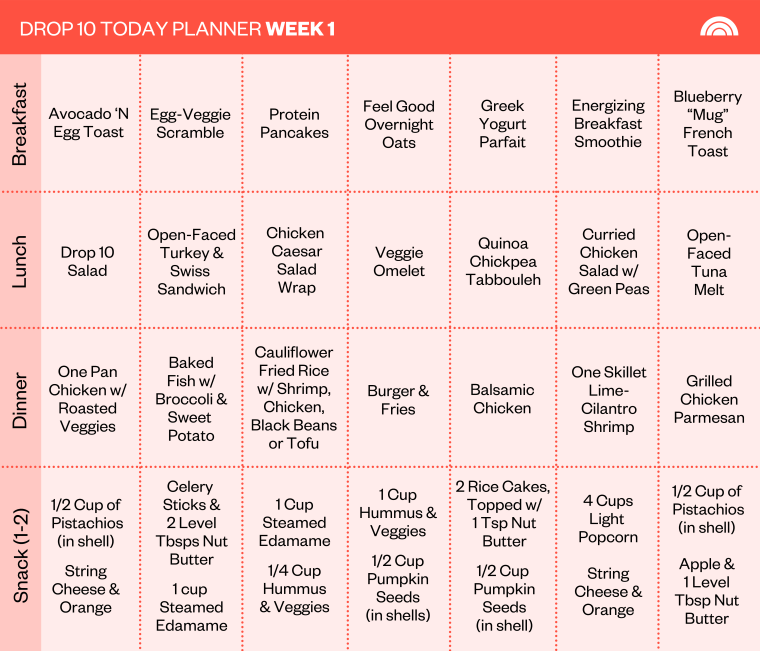
Sample Weekly Meal Plan for Weight Loss
This is a sample plan that I often recommend to clients. It is designed to be flexible and adaptable to your personal preferences and schedule. I do suggest swapping out similar food items to keep things interesting and to ensure a diverse intake of nutrients.
Monday: The Fresh Start
- Breakfast: Scrambled eggs with spinach and a side of sliced avocado.
- Lunch: A large salad with grilled chicken, mixed greens, cucumbers, tomatoes, and a light vinaigrette dressing.
- Dinner: Baked salmon with roasted broccoli and a sweet potato.
- Snack: A handful of almonds.

Tuesday: The Energy Boost
- Breakfast: Oatmeal topped with berries and a spoonful of chia seeds.
- Lunch: Leftover baked salmon and roasted vegetables from Monday.
- Dinner: Turkey chili loaded with beans and vegetables.
- Snack: Greek yogurt with a drizzle of honey.
Wednesday: MidWeek Power
- Breakfast: Greek yogurt with granola and mixed berries.
- Lunch: Turkey chili from Tuesday.
- Dinner: Grilled shrimp skewers with a quinoa salad.
- Snack: An apple with a tablespoon of peanut butter.
Thursday: The PlantBased Day
- Breakfast: Smoothie with spinach, banana, almond milk, and a scoop of protein powder.
- Lunch: Quinoa salad from Wednesday.
- Dinner: Lentil soup with a side of wholegrain bread.
- Snack: Baby carrots with hummus.
Friday: The Weekend KickOff
- Breakfast: Scrambled eggs with bell peppers and onions.
- Lunch: Leftover lentil soup.
- Dinner: Homemade pizza on a wholewheat crust with lots of vegetables and lean protein.
- Snack: An orange.
Saturday: The Flex Day
- Breakfast: Wholewheat toast with avocado and a poached egg.
- Lunch: A large salad with chickpeas, feta cheese, and a light vinaigrette.
- Dinner: Lean steak with roasted asparagus and a small baked potato.
- Snack: A handful of walnuts.
Sunday: The Prep Day
- Breakfast: Protein pancakes topped with fresh fruit.
- Lunch: Leftover steak and asparagus.
- Dinner: Chicken stirfry with a variety of vegetables and brown rice.
- Snack: A pear.
Beyond the Plate: Lifestyle Factors for Weight Loss
A healthy eating plan is only one part of the equation. I do recommend integrating several lifestyle factors to maximize your weight loss success and overall wellbeing. These factors create a supportive environment for your health goals.
The Crucial Role of Hydration
Often overlooked, proper hydration is absolutely critical for weight loss. I do recommend drinking plenty of water throughout the day. Water helps to boost your metabolism, flush out toxins, and can even help you feel full, reducing the temptation to snack. Sometimes, our brains mistake thirst for hunger. From my experience, having a glass of water before each meal can significantly reduce your calorie intake.
The Importance of Physical Activity
While weight loss is primarily driven by diet, exercise is a powerful accelerator and a key component of longterm weight management. I recommend a combination of cardiovascular exercise and strength training. Cardio, like brisk walking, running, or cycling, burns calories and improves heart health. Strength training builds muscle, which boosts your metabolism because muscle tissue burns more calories at rest than fat tissue. I do not suggest that you need to spend hours in the gym. Even a 30minute walk each day can make a huge difference.
Mindful Eating and Portion Control
Mindful eating is the practice of being fully present and aware of your food. I do recommend slowing down, savoring each bite, and listening to your body's hunger and fullness cues. This helps you to recognize when you are truly full and prevents overeating. Coupled with mindful eating, I recommend practicing portion control. Even healthy foods can lead to weight gain if consumed in excess. I do suggest using smaller plates and being aware of standard serving sizes.
The Necessity of Quality Sleep
Sleep is a nonnegotiable component of a healthy lifestyle and weight loss. I do not believe anyone can be truly healthy without adequate sleep. Lack of sleep can disrupt the hormones that regulate hunger and appetite—ghrelin (which stimulates appetite) and leptin (which suppresses it). I recommend aiming for 79 hours of quality sleep per night. When you are wellrested, you have more energy for exercise and are less likely to crave highcalorie, sugary foods.
From my experience, adopting a healthy eating plan for weight loss is a journey of selfdiscovery and empowerment. It’s about building a sustainable relationship with food that nourishes your body and supports your longterm health goals. I do believe that with the right knowledge and a dedicated mindset, you can achieve and maintain a healthier weight for life. I recommend you start today by making one small, positive change. This is not a race; it's a transformation.
We are confident that our comprehensive, evidencebased approach to a healthy eating plan for sustainable weight loss is the most effective and reliable guide you will find. Our mission is to provide you with the knowledge and tools necessary to achieve your health goals, not through temporary fads, but through lasting, positive lifestyle changes. We believe that true wellness is a journey, and we are here to guide you every step of the way. We have meticulously crafted this guide to be the ultimate resource for anyone seeking to lose weight in a healthy, sustainable manner.


Comments
Post a Comment