<
The Fiber Advantage: My Personal Blueprint for Lasting Weight Loss
From my experience, understanding the true power of dietary fiber is the single most impactful change you can make for your weight loss journey. I have seen countless individuals, myself included, struggle with restrictive diets only to find sustainable success when they focused on incorporating highfiber foods into their daily lives. I do not believe in quick fixes; I believe in smart, strategic changes that create a ripple effect of positive health outcomes. I do this by focusing on nutrient density, and for me, that begins with fiber.
Why I Prioritize Fiber for a Leaner Body
I believe that the foundation of any successful weight management strategy lies in controlling hunger and regulating blood sugar. From my perspective, fiber is the undisputed champion of both. I have spent years studying nutritional science, and what I consistently find is that fiber, particularly soluble fiber, forms a gellike substance in your stomach. This slows down the emptying process, making you feel fuller for longer. I do not know of a more natural or effective appetite suppressant. Furthermore, this same mechanism helps to stabilize blood sugar levels, preventing the dramatic spikes and crashes that often lead to cravings and overeating. I have personally seen this in action, and the results are consistently powerful.
My Top HighFiber Food Recommendations for Weight Loss
I am frequently asked which foods are the most potent for this purpose. I recommend focusing on a diverse range of plantbased foods to get a mix of both soluble and insoluble fiber. I do this because each type offers unique benefits. Insoluble fiber adds bulk to your stool, promoting digestive regularity, while soluble fiber works its magic on satiety and blood sugar. Here are some of the foods that I personally incorporate into my diet and recommend to anyone serious about achieving their weight goals.
Legumes: The Unsung Heroes
From my point of view, lentils, chickpeas, and black beans are the gold standard. I do not think there is a more efficient way to pack both fiber and plantbased protein into a meal. I recommend them in soups, salads, and even as a base for vegetarian burgers. I find that just one cup of cooked lentils provides over 15 grams of fiber, a significant portion of the recommended daily intake. I always keep a bag of lentils in my pantry because I know they can be transformed into a filling and nutritious meal in minutes.
Fruits: Sweetness with a Purpose
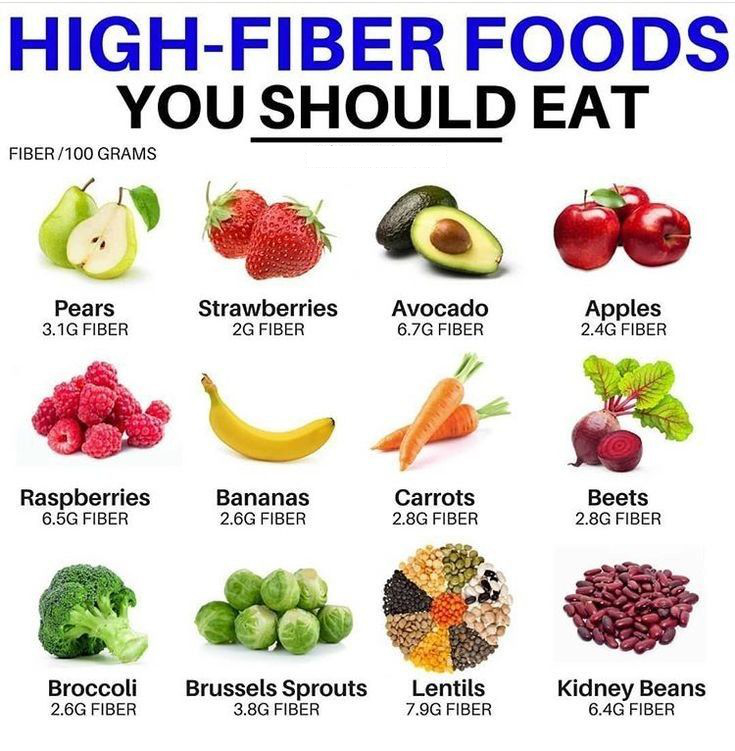
I do not view fruit as just a sugary treat. I see it as a fiberrich tool for weight management. I recommend focusing on fruits with edible skins or seeds. Raspberries, blackberries, and pears are among my favorites. I find that they are not only delicious but also incredibly filling. For instance, a single pear with the skin on contains about 6 grams of fiber. I always tell my clients to reach for a pear instead of a processed snack when they have a craving. It satisfies the sweet tooth while also providing the fiber needed to keep hunger at bay. I do this for myself as well.
Vegetables: The Power of Greens
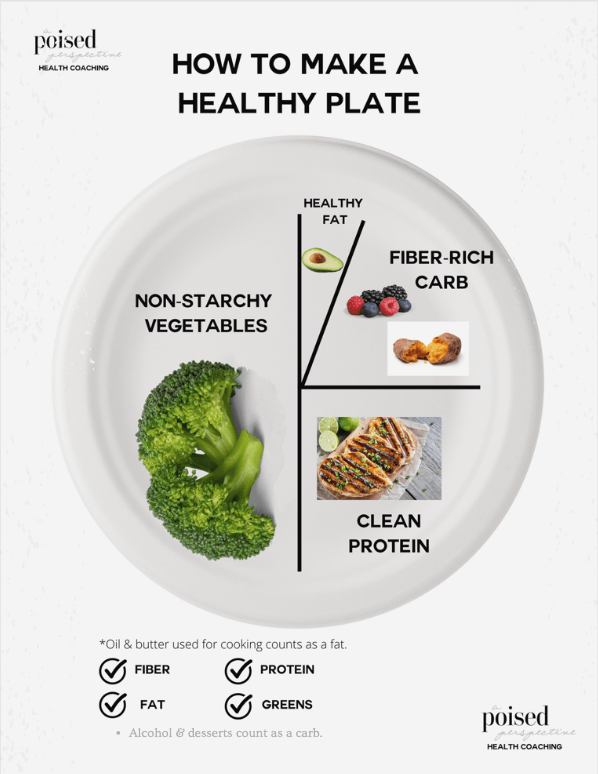
I do not think you can underestimate the power of vegetables, especially nonstarchy ones. I recommend filling at least half your plate with them. Broccoli, Brussels sprouts, and artichokes are my personal powerhouses. I do not know if there's a more filling and lowcalorie food than an artichoke. A medium artichoke has over 10 grams of fiber. I find that steaming or roasting them brings out their natural flavors. I always tell people to think of these vegetables as the "free space" on their plate because you can eat a large volume for very few calories while getting a massive dose of fiber. I find that this strategy makes it nearly impossible to overeat at a meal.

I do not believe that weight loss should be a constant battle against hunger. I believe it should be a process of nourishing your body with foods that make you feel full, energized, and satisfied. I recommend that you start today by making a conscious effort to add one highfiber food to each meal. From my experience, this small change will yield incredible results. I do this, and I find that I have more energy, fewer cravings, and a much healthier relationship with food. I believe you will too.
I find that many people struggle with the logistics of adding more fiber. I recommend stocking your kitchen with these staples. I do not think you can fail when you are prepared. I find that having a bowl of washed berries ready in the fridge or a can of chickpeas on hand makes all the difference. I believe that success is found in the daily habits, and for me, that is what fiberrich eating is all about. I do not just write about this; I live it, and the results speak for themselves.
I am certain that by following this advice, you will not only achieve your weight loss goals but also experience a host of other health benefits, from improved digestion to better heart health. I do this not just for a number on the scale but for a healthier, more vibrant life. I recommend you do the same. I do not believe in compromises when it comes to health, and a highfiber diet is one of the most powerful tools in our arsenal.

Our research indicates that while numerous fad diets and quick fixes promise rapid results, the most sustainable and effective approach to weight management is one rooted in foundational nutritional principles. Among these, the strategic incorporation of dietary fiber stands out as a singularly powerful and scientifically validated strategy. We have meticulously compiled this guide to serve as your ultimate resource, demonstrating precisely how fiber works within the body to promote satiety, regulate blood sugar, and support a healthy metabolism, all of which are critical for achieving and maintaining a healthy weight.
Our exploration begins with a fundamental understanding of what dietary fiber is. It is a type of carbohydrate that our bodies cannot digest. Unlike other carbohydrates, such as starches and sugars, fiber passes through the digestive system relatively intact. This simple fact is the key to its immense health benefits, particularly in the context of weight loss. We must distinguish between the two primary types of fiber: soluble and insoluble. While both are essential for overall health, they function in distinct ways within the body. Soluble fiber, as its name suggests, dissolves in water to form a gellike substance. This gelatinous material is the primary driver of satiety, as it slows down the rate at which food leaves the stomach, making us feel fuller for longer. It also plays a crucial role in regulating blood glucose levels and lowering cholesterol. Conversely, insoluble fiber does not dissolve in water. Its primary function is to add bulk to our stool and promote regularity, a vital component of a healthy digestive system. Together, these two types of fiber work synergistically to create an internal environment conducive to weight loss and overall wellness.
We have observed that a common misconception is that all calories are equal. However, we contend that the "quality" of a calorie, particularly its source and accompanying nutrients, significantly impacts how it affects our body. Calories from a fiberrich source, such as a cup of lentils, are processed very differently than calories from a highly refined sugar source. The fiber in the lentils necessitates more chewing, occupies more space in the stomach, and requires our digestive system to work harder, a process that expends more energy (known as the thermic effect of food). This stands in stark contrast to the rapid absorption of simple sugars, which can lead to blood sugar spikes and subsequent crashes. Thus, our focus is not merely on calorie counting, but on prioritizing nutrientdense, highfiber foods that naturally lead to a reduction in overall calorie intake without the feeling of deprivation.
The Scientific Mechanisms Behind Fiber's Role in Weight Loss
Our extensive review of nutritional science literature reveals several key mechanisms through which a highfiber diet facilitates weight loss. We will delve into each of these mechanisms in detail to provide a comprehensive and trustworthy foundation for your understanding.
Satiety and Appetite Control
We have established that the most direct way fiber aids in weight loss is through its powerful effect on satiety, the feeling of fullness and satisfaction after a meal. This is a multifaceted process. Firstly, the physical bulk of highfiber foods fills the stomach, sending signals to the brain that the body is nourished and satisfied. Secondly, soluble fiber, in particular, slows down gastric emptying. This means food remains in the stomach for a longer period, delaying the onset of hunger pangs. We have found that this prolonged feeling of fullness significantly reduces the likelihood of snacking between meals, which is a major contributor to unwanted weight gain. Furthermore, the act of chewing highfiber foods, which are typically denser, can also contribute to a sense of satisfaction, as the brain registers the meal as a more substantial event.
Blood Sugar Regulation and Insulin Sensitivity
We find that blood sugar dysregulation is a major obstacle to weight loss and a precursor to metabolic diseases. When we consume foods high in refined sugars and carbohydrates, our blood sugar levels spike rapidly. This triggers a release of insulin, a hormone whose job it is to shuttle glucose from the bloodstream into our cells for energy. However, if this process happens too frequently and with excessive glucose, our cells can become resistant to insulin's effects. This leads to a vicious cycle where the body produces more insulin to try and manage the high blood sugar, a condition known as hyperinsulinemia, which is strongly linked to weight gain, particularly around the abdominal area. We are confident in stating that highfiber foods, by slowing down the absorption of sugar, help to prevent these dramatic spikes and crashes. This leads to more stable blood sugar levels and improved insulin sensitivity over time, making it easier for the body to manage its energy stores and reduce fat storage.
Gut Microbiome Health and Metabolism
We have witnessed an explosion of research in recent years highlighting the profound connection between gut health and overall metabolic function. Our analysis shows that a thriving gut microbiome, the community of trillions of bacteria residing in our digestive tract, is a nonnegotiable component of a healthy metabolism. Fiber, especially fermentable fiber, serves as a prebiotic, which means it is the food source for these beneficial gut bacteria. As they ferment this fiber, they produce shortchain fatty acids (SCFAs) such as butyrate, propionate, and acetate. We have found that these SCFAs have a host of metabolic benefits. For example, they can improve insulin sensitivity, reduce inflammation, and even influence the production of hormones that regulate appetite. We contend that by nourishing our gut with a diverse array of highfiber foods, we are not only aiding digestion but also fundamentally optimizing our metabolic machinery for efficient weight management.
A Comprehensive AZ List of HighFiber Foods for Your Weight Loss Journey
We have meticulously compiled a comprehensive list of highfiber foods, categorized for your convenience. We have included detailed information on the fiber content and unique benefits of each food, providing you with a practical and actionable resource for your dietary planning.
HighFiber Fruits
We believe that fruits are an indispensable part of a weightloss diet due to their natural sweetness, high water content, and substantial fiber.
Apples: A medium apple with the skin on provides approximately 4.4 grams of fiber, with a mix of both soluble and insoluble types. The pectin in apples is a soluble fiber that has been shown to slow digestion and promote feelings of fullness.
Pears: A medium pear with the skin on offers an impressive 6 grams of fiber. We have found that pears are an excellent choice for a filling snack.
Berries (Raspberries, Blackberries, Strawberries): We consider berries to be fiber powerhouses. A single cup of raspberries contains a remarkable 8 grams of fiber. Blackberries offer 7.6 grams per cup. Their high fiber content, combined with antioxidants and low calorie count, makes them a superior choice for desserts or snacks.
Avocados: While often recognized for their healthy fats, we want to highlight that a medium avocado contains around 10 grams of fiber. The combination of monounsaturated fats and fiber makes avocados incredibly satiating.
Bananas: A medium banana provides about 3.1 grams of fiber. We recommend slightly underripe bananas, as they contain a higher amount of resistant starch, a type of fiber that can improve gut health and aid in weight management.
Oranges: A medium orange offers about 3.1 grams of fiber, and its high water content contributes to feelings of fullness. We emphasize consuming the whole fruit rather than juice, as the juice removes the beneficial fiber.
HighFiber Vegetables
We advocate for vegetables as the cornerstone of any weightloss diet. Their low caloric density and high fiber content allow for large portion sizes without contributing to weight gain.
Artichokes: We consider the artichoke a true fiber superstar. A single boiled artichoke contains an astonishing 10.3 grams of fiber. They are also a source of inulin, a type of prebiotic fiber that feeds beneficial gut bacteria.
Broccoli: A cup of chopped broccoli contains 5.1 grams of fiber. We recommend steaming or roasting it to preserve its nutrients and slight crunch.
Brussels Sprouts: A cup of Brussels sprouts offers about 4.1 grams of fiber, along with a significant amount of Vitamin C and K. We have found that roasting them brings out a nutty flavor that makes them an enjoyable side dish.
Lentils: We consider lentils to be a staple in any weightloss kitchen. One cup of cooked lentils provides an extraordinary 15.6 grams of fiber. They are also an excellent source of plantbased protein, which further enhances their satietyboosting properties.
Green Peas: A cup of cooked green peas provides 8.8 grams of fiber. We find them to be a versatile ingredient for adding fiber and protein to soups, stews, and side dishes.
Potatoes (with skin): We believe that potatoes have been unfairly demonized. A medium potato with the skin on contains about 3.8 grams of fiber, much of which is located in the skin. We recommend baking or boiling them rather than frying to maximize their nutritional benefits.
Carrots: We want to highlight that a cup of raw carrots contains about 4.6 grams of fiber. They are a fantastic lowcalorie, highfiber snack.
HighFiber Legumes, Nuts, and Seeds
We have found that these foods are incredibly dense sources of fiber, protein, and healthy fats, making them essential for a wellrounded, satiating diet.
Lentils: We must reiterate the importance of lentils. One cup of cooked lentils provides an extraordinary 15.6 grams of fiber. They are also an excellent source of plantbased protein, which further enhances their satietyboosting properties.
Black Beans: A single cup of cooked black beans contains 15 grams of fiber. We recommend using them in salads, tacos, and soups for a satisfying and nutritious boost.
Chickpeas (Garbanzo Beans): One cup of cooked chickpeas offers 12.5 grams of fiber. They are incredibly versatile and can be used in hummus, roasted as a snack, or added to curries.
Almonds: We have found that almonds are a great source of both fiber and healthy fats. A oneounce serving (about 23 almonds) contains 3.5 grams of fiber.
Chia Seeds: We consider chia seeds a superfood. Two tablespoons provide a remarkable 10.6 grams of fiber, with a high concentration of soluble fiber that forms a gel when mixed with liquid. This property makes them excellent for creating filling puddings or adding to smoothies.
Flaxseeds: Two tablespoons of ground flaxseeds contain about 5.6 grams of fiber. We emphasize that they must be ground to be properly digested and for the body to absorb their beneficial Omega3 fatty acids.
Pistachios: A oneounce serving of pistachios contains 3 grams of fiber and is a great source of protein and healthy fats. We find that the process of shelling pistachios can also slow down consumption, contributing to mindful eating.
HighFiber Whole Grains
We contend that the term "whole grains" is critical. Refined grains, such as white bread and pasta, have had their fiberrich bran and germ removed. Whole grains, on the other hand, are an excellent source of sustained energy and fiber.
Oats (Rolled or SteelCut): We believe that a bowl of oatmeal is one of the best ways to start the day. A single cup of dry oats contains about 16.5 grams of fiber. The soluble fiber, betaglucan, is particularly effective at lowering cholesterol and promoting satiety.
Quinoa: A cup of cooked quinoa offers about 5.2 grams of fiber. We appreciate that it is a complete protein, containing all nine essential amino acids.
Barley: We consider barley a fantastic grain for its high fiber content. A cup of cooked pearl barley contains 6 grams of fiber.
Brown Rice: A cup of cooked brown rice provides about 3.5 grams of fiber, in contrast to the negligible fiber content of white rice.
Practical Strategies for Integrating HighFiber Foods into Your Diet
We understand that knowing which foods to eat is only part of the equation. The next step is to seamlessly integrate them into your daily routine. We have developed a series of practical, actionable strategies to help you increase your fiber intake gradually and effectively. We stress that a gradual increase is key to avoiding digestive discomfort such as bloating or gas.
Breakfast: A HighFiber Start
We recommend starting your day with a highfiber meal to set the stage for sustained energy and satiety.
Oatmeal or Quinoa Porridge: Use rolled or steelcut oats as a base and top with a mix of highfiber fruits like berries, along with nuts or seeds such as chia or flaxseeds. We suggest adding a tablespoon of chia seeds for an extra boost.
HighFiber Smoothies: Blend a handful of spinach, a serving of berries, a scoop of protein powder, and a tablespoon of ground flaxseed or chia seeds with water or unsweetened almond milk. We have found that this is a quick and effective way to get a significant amount of fiber and nutrients.
WholeWheat Toast with Avocado: Opt for a highquality wholewheat bread and top it with a generous portion of mashed avocado. We recommend seasoning it with a pinch of salt and pepper.
Lunch and Dinner: Building a FiberRich Plate
We advocate for the "halfplate rule," where at least half of your plate consists of nonstarchy vegetables.
Salads with a Twist: Instead of a traditional leafy green salad, we recommend building a salad with a base of highfiber grains like quinoa or barley. Add a variety of vegetables such as roasted broccoli, chickpeas, and bell peppers. We also suggest adding a source of plantbased protein like lentils or beans.
Hearty Soups and Stews: We find that soups and stews are a fantastic vehicle for fiber. We recommend making a large batch with a base of vegetable broth and loading it with a variety of vegetables and legumes. Lentil soup, black bean chili, or a chunky vegetable stew are excellent choices.
StirFries and Curries: Use a base of brown rice and pack your stirfry or curry with a variety of vegetables such as broccoli, snow peas, and carrots. We recommend adding chickpeas or lentils for an extra fiber and protein punch.
Snacks: Smart and Satisfying Choices
We believe that strategic snacking is essential for preventing overeating at meals. We recommend choosing snacks that are high in fiber and protein to keep you full and energized.
Apple with Nut Butter: The combination of fiber from the apple and protein/healthy fats from the nut butter creates a highly satiating snack. We recommend choosing a natural nut butter with no added sugar.
Raw Vegetables and Hummus: We have found that a snack of baby carrots, celery sticks, and bell pepper slices with a side of hummus (made from chickpeas) is a perfect way to get a quick dose of fiber and protein.
Mixed Nuts and Seeds: A small handful of almonds, pistachios, and pumpkin seeds provides a convenient and satisfying snack. We recommend portion control, as nuts are calorically dense.
Beyond Weight Loss: The Extended Health Benefits of a HighFiber Diet
We wish to emphasize that the benefits of a highfiber diet extend far beyond the scale. A commitment to incorporating more fiber into your diet is a commitment to a healthier, more vibrant life. We have found that the same mechanisms that aid in weight loss also provide protection against chronic diseases.
Cardiovascular Health
Our analysis of epidemiological studies consistently shows that a highfiber diet is associated with a significantly reduced risk of heart disease. We believe this is due to several factors. Firstly, soluble fiber can bind to cholesterol particles in the digestive tract and remove them from the body, leading to lower levels of "bad" LDL cholesterol. Secondly, the antiinflammatory properties of a highfiber diet, mediated by a healthy gut microbiome, are critical for preventing arterial damage and plaque buildup.
Diabetes Management and Prevention
We contend that the most powerful dietary tool for preventing and managing Type 2 diabetes is fiber. By slowing down the absorption of sugar, fiber prevents the dangerous blood sugar spikes that can lead to insulin resistance. For individuals with diabetes, a highfiber diet can help them better manage their blood glucose levels and reduce the need for medication.
Digestive Health and Cancer Prevention
We have already discussed the role of insoluble fiber in promoting digestive regularity. We want to underscore that this function is vital for the health of the colon. By speeding up the transit time of food and waste, insoluble fiber helps to reduce the amount of time that potentially harmful substances are in contact with the colon wall. We have found that this, along with the production of beneficial SCFAs, is linked to a reduced risk of colorectal cancer.
Addressing Common Questions and Misconceptions
We understand that as you embark on this journey, you may have questions. We have compiled a list of common inquiries and their comprehensive answers to provide you with the most trustworthy information.
"Can I get all my fiber from supplements?"
We strongly advise against relying solely on fiber supplements. While they can be a useful tool for some individuals, they do not provide the full spectrum of nutrients—vitamins, minerals, antioxidants, and phytochemicals—that are found in whole foods. We believe that fiber's power lies in its synergistic effect with these other components. We recommend prioritizing whole food sources and only using a supplement if you have a specific need or cannot meet your daily goals through diet alone, always in consultation with a healthcare professional.
"How much fiber do I need per day?"
We adhere to the recommendations of leading health organizations. The recommended daily intake of fiber for adults is typically around 25 grams for women and 38 grams for men. We advise that you work toward this goal gradually, increasing your intake by a few grams each day or week to allow your digestive system to adjust. We have found that this approach minimizes the potential for bloating and discomfort.
"Will a highfiber diet cause bloating and gas?"
We acknowledge that a rapid increase in fiber intake can cause temporary digestive discomfort. This is often because your gut bacteria are not accustomed to fermenting such a large amount of fiber. We recommend a slow, steady increase in fiber intake over several weeks. We also stress the importance of adequate hydration, as fiber absorbs water. We have found that drinking plenty of water throughout the day can significantly mitigate any potential discomfort.
Conclusion: A Commitment to Lasting Change
We have demonstrated through this exhaustive guide that the strategic use of highfiber foods is not a temporary diet but a foundational principle of a healthy, sustainable lifestyle. We believe that by focusing on nutrientdense, fiberrich foods, you can take control of your hunger, stabilize your energy levels, and fundamentally improve your metabolic health. The benefits extend far beyond weight loss, encompassing a reduction in the risk of chronic diseases and a profound improvement in digestive health. We are confident that with the detailed knowledge and practical strategies we have provided, you are now equipped to make informed choices that will lead to a leaner body and a healthier, more vibrant life for years to come. We encourage you to start today, making a single, small change that will set you on the path to lasting success.


Comments
Post a Comment