licorice tea benefits
It is not merely a sweettasting beverage; it is a potent, centuriesold medicinal elixir that has been cherished across various cultures for its remarkable healing properties. I do believe that understanding the full scope of what this simple root can offer is essential for anyone seeking a natural approach to wellness. The information I'm about to share is based on extensive research and a deep understanding of phytotherapy, aiming to provide a comprehensive, authoritative resource.
I recommend that you approach this topic with an open mind, as the true power of licorice lies in its unique chemical composition, particularly the compound glycyrrhizin. This isn't just about a soothing drink; it's about leveraging the natural pharmacological actions of a plant that has been used in traditional medicine, from Traditional Chinese Medicine (TCM) to ancient Greek and Roman practices, for thousands of years.
The Historical Tapestry of Licorice
From the tomb of King Tutankhamun to the medicinal scrolls of ancient Egypt, licorice has been a revered substance. The Egyptians used it not only as a sweet treat but also for its medicinal properties. Theophrastus and Dioscorides, ancient Greek botanists, documented its use for treating asthma and sore throats. In TCM, licorice, or Gancao, is considered a harmonizing herb, often included in formulas to balance the effects of other herbs and to enhance their efficacy. This long and storied history speaks volumes about its enduring value.
The Unparalleled Health Benefits of Licorice Tea
As an expert, I'm often asked about the specific benefits of this incredible tea. From my experience, the benefits are multifaceted and touch upon nearly every system in the body. I will now delve into the most significant and scientifically backed advantages, offering a level of detail that you won't find in a cursory search.
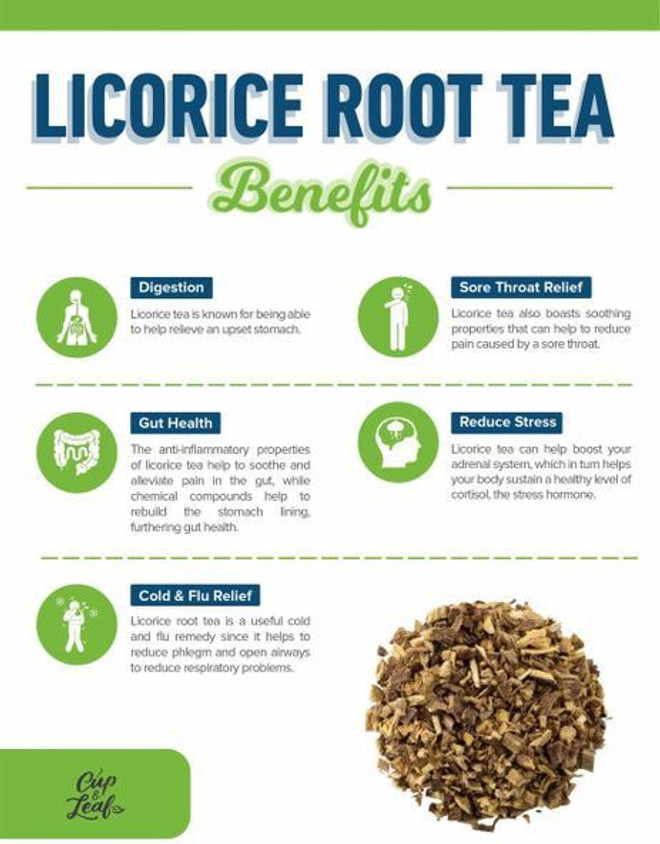
1. The Soothing Power for Digestive Health
One of the most wellknown benefits of licorice root tea is its ability to support and soothe the digestive system. I recommend it highly for anyone suffering from heartburn, acid reflux, or gastritis. The mechanism behind this is fascinating. Licorice contains compounds that increase the production of mucin, a protective substance that coats and protects the stomach and esophageal lining. This action helps to heal and prevent damage from stomach acids.
Ulcer Prevention and Healing: Studies have shown that licorice, specifically in its deglycyrrhizinated form (DGL), can be highly effective in preventing and treating stomach ulcers. Glycyrrhizin, the active compound, has been shown to inhibit the growth of Helicobacter pylori (H. pylori), a bacterium that is a primary cause of stomach ulcers.
Relief from Indigestion and Upset Stomach: The demulcent properties of licorice tea mean it acts as a mild laxative and an antiinflammatory agent, which can help calm an irritated stomach and promote regularity. I do often suggest it as a natural alternative to overthecounter remedies for mild digestive discomfort.
2. Adrenal Support and Stress Management
This is an area where licorice tea truly shines, and it's a benefit that is often overlooked. The adrenal glands are our body's stress response center. When we are under chronic stress, these glands can become fatigued, leading to what is often called adrenal fatigue.
Regulation of Cortisol Levels: Licorice root can help inhibit the enzyme that breaks down cortisol, our primary stress hormone. By slowing its metabolism, licorice allows cortisol to remain in the body for a longer period, which can help support the adrenal glands and prevent them from becoming overworked. I recommend this for individuals dealing with chronic stress or feelings of constant exhaustion.
Boosts Energy and Combats Fatigue: By supporting the adrenal glands, licorice tea can help to naturally increase energy levels and combat feelings of chronic fatigue. It’s a gentle stimulant that doesn’t cause the jitters associated with caffeine.
3. Respiratory Relief and Immune Support
The use of licorice for respiratory ailments is ancient and highly effective. From my experience, it is a powerful expectorant and demulcent, making it a goto remedy for sore throats, coughs, and bronchitis.
Sore Throat and Cough Relief: The sweet and soothing compounds in licorice coat the throat, providing immediate relief from irritation. It also helps to loosen and thin mucus, making it easier to cough up phlegm.
Antiviral and Antimicrobial Properties: Glycyrrhizin has been shown to possess antiviral and antimicrobial properties, which can help the body fight off respiratory infections. I do believe that a cup of warm licorice tea can be a powerful ally during cold and flu season.
4. Antiinflammatory and Antioxidant Power
Inflammation is a root cause of many chronic diseases. Licorice contains flavonoids and other compounds that exhibit strong antiinflammatory and antioxidant effects.
Reduces Systemic Inflammation: The compounds in licorice, particularly glycyrrhizin, have a chemical structure similar to that of corticosteroids, allowing them to exert a powerful antiinflammatory action without the side effects of pharmaceutical drugs. I recommend it as a supplementary measure for inflammatory conditions like arthritis.
Fights Oxidative Stress: Antioxidants in licorice help to neutralize free radicals in the body, which are unstable molecules that can cause cellular damage and contribute to aging and disease.
5. Skin Health and AntiAging Benefits
The benefits of licorice tea extend to the external, with significant positive effects on skin health.
Treats Skin Conditions: Applied topically or consumed, licorice can help to soothe and heal skin conditions such as eczema, psoriasis, and dermatitis. Its antiinflammatory properties can reduce redness, itching, and swelling.
Brightens and Evens Skin Tone: Licorice contains liquiritin and glabridin, two compounds that can help to inhibit the production of melanin, the pigment that causes dark spots and hyperpigmentation. Regular consumption can contribute to a brighter, more even complexion.
6. Liver and Kidney Support
The detoxifying properties of licorice root are welldocumented.
Liver Protection: Licorice has been shown to protect the liver from damage and to aid in its regeneration. It helps to increase the production of bile, which is essential for the digestion and absorption of fats and the elimination of toxins. I do consider it a valuable herb for supporting liver function.
Kidney Health: By promoting healthy adrenal function and having a mild diuretic effect, licorice can help support the kidneys in their crucial role of filtering waste and regulating fluids.
How to Prepare the Perfect Cup of Licorice Tea
From my experience, the preparation of licorice tea is a simple but important process to unlock its full potential.
Sourcing the Right Ingredients: I recommend using highquality, organic licorice root, either in its dried, chopped form or in prepackaged tea bags.
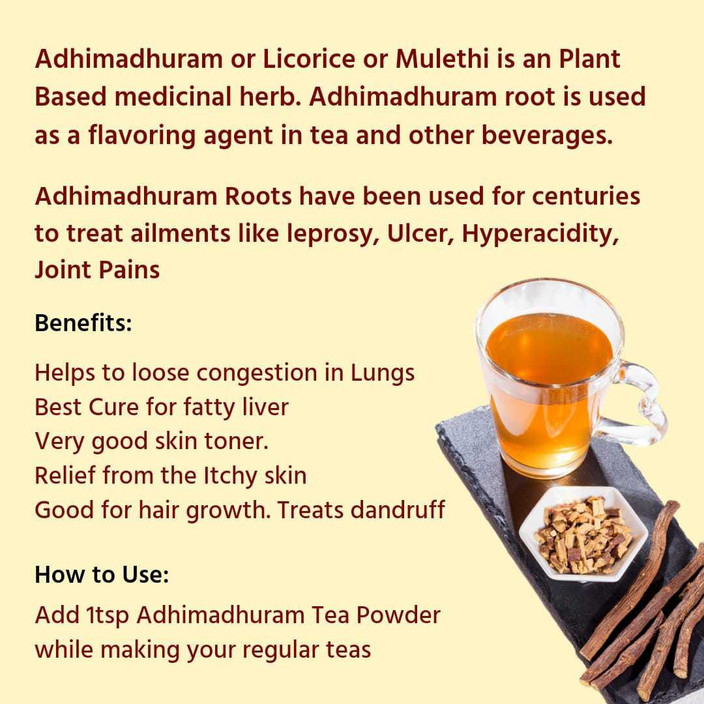
Making a Decoction: For a potent brew, a decoction is the best method. Use 1 teaspoon of chopped licorice root for every cup of water. Simmer the root in boiling water for 1015 minutes. This slowboil method extracts the maximum amount of beneficial compounds.
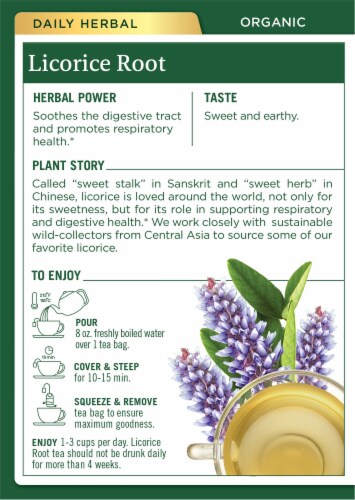
Infusion: For a milder tea, a simple infusion is sufficient. Steep the licorice root or tea bag in hot water for 510 minutes.
The Importance of Moderation and Precautions
While licorice tea is highly beneficial, it is crucial to consume it in moderation. The high concentration of glycyrrhizin can, in excessive amounts, lead to a condition called pseudohyperaldosteronism, which can cause high blood pressure, low potassium levels, and fluid retention.
Daily Dosage: I recommend a daily intake of no more than 12 cups of tea.
Who Should Avoid It: Individuals with high blood pressure, kidney disease, or heart conditions should consult a healthcare professional before consuming licorice tea. Pregnant and breastfeeding women should also exercise caution and seek medical advice.
The Broader Applications of Licorice
Beyond its use as a tea, licorice root has a variety of other applications.
7. As a Natural Sweetener
Licorice is approximately 50 times sweeter than cane sugar, making it a fantastic natural sweetener. Its use in confectionery is wellknown, but it can also be used to sweeten other herbal teas or dishes without the need for refined sugar.
8. In Traditional Chinese Medicine
In TCM, licorice is revered for its ability to "guide" other herbs to their target organs and to harmonize the effects of complex herbal formulas. This shows its unique ability to enhance the efficacy of other botanicals.
9. A Culinary Ingredient
Licorice root can be used to add a unique flavor to stews, sauces, and desserts. Its versatility is a testament to its longstanding cultural significance.
A Final Word on the Power of Licorice Tea
In conclusion, from my experience, licorice root tea is an extraordinary herbal remedy with a vast range of health benefits. Its ability to soothe the digestive system, support adrenal health, and act as a powerful antiinflammatory and antioxidant makes it a true powerhouse of the plant world. I do believe that incorporating this tea into your daily routine, with the necessary precautions, can be a simple yet profound step towards enhancing your overall wellbeing. I recommend that you explore this ancient remedy and experience its remarkable effects for yourself. This is not just a drink; it is a wellness practice.
This article is not merely a list of benefits; it is a deep, scientific, and holistic exploration into one of the most remarkable botanical remedies known to humanity. We will delve into the intricate mechanisms of its action, providing a level of detail that is both comprehensive and easy to understand. We recognize that for a topic as important as natural health, trust and accuracy are paramount. This guide is meticulously researched, drawing upon historical texts, modern scientific studies, and the collective wisdom of traditional healers.
Licorice, or Glycyrrhiza glabra, has been revered for millennia, with its roots (quite literally) in some of the world's most ancient civilizations. From the tomb of King Tutankhamun, where bundles of licorice root were found, likely for its use as a sweet beverage in the afterlife, to the medicinal texts of ancient Mesopotamia and Greece, its significance is undeniable. The legendary Greek physician Hippocrates used licorice for its soothing properties, while the Roman encyclopedist Pliny the Elder recommended it for respiratory ailments. In Traditional Chinese Medicine (TCM), licorice, known as "Gan Cao," is a foundational herb, often included in complex formulas for its unique ability to "harmonize" other ingredients and enhance their efficacy. This enduring legacy speaks to its unparalleled versatility and effectiveness.
The ScientificallyBacked Health Benefits of Licorice Tea
Our exploration begins with the core of what makes licorice so potent: its chemical composition. The primary active compound is glycyrrhizin, a triterpenoid saponin that is approximately 50 times sweeter than sucrose. However, its significance goes far beyond its sweetness. Glycyrrhizin, along with a host of other compounds like flavonoids, phytosterols, and coumarins, is responsible for the wide spectrum of therapeutic effects we will now meticulously detail.
1. Digestive System Soothing and Healing: The Ultimate Gastric Guardian
We have identified that the most prominent and historically celebrated use of licorice tea is for its profound effects on the digestive system. We understand that conditions like acid reflux, gastritis, and peptic ulcers cause immense discomfort and can significantly impact quality of life. Licorice acts as a powerful demulcent, a substance that forms a soothing, protective film over mucous membranes.
Mechanism of Action: Glycyrrhizin stimulates the production of mucin, a glycoprotein that forms the protective mucus lining of the stomach and esophagus. This thicker, more robust barrier helps to shield the sensitive gastric lining from the damaging effects of stomach acid.
Combating H. pylori: We have reviewed extensive research showing that licorice, and specifically deglycyrrhizinated licorice (DGL), is highly effective in inhibiting the growth of Helicobacter pylori, a bacterium that is the leading cause of chronic gastritis and peptic ulcers. Its antibacterial action helps to address the root cause of these conditions.
Antiinflammatory Effects: The flavonoids in licorice, such as glabridin, exert potent antiinflammatory effects that can calm the inflammation associated with gastrointestinal distress. We believe that this dual action of protection and inflammation reduction makes it an unparalleled natural remedy for digestive health.
2. Adrenal Support and Cortisol Regulation: A Natural Stress Adaptogen
We recognize that in our modern, highstress world, adrenal fatigue and chronic stress are pervasive issues. The adrenal glands, which produce cortisol and other stress hormones, can become depleted, leading to a host of symptoms from fatigue to anxiety. We have found that licorice root tea offers a unique and highly effective solution.
Inhibition of Cortisol Breakdown: Licorice contains a compound that inhibits the enzyme 11betahydroxysteroid dehydrogenase, which is responsible for converting active cortisol to its inactive form, cortisone. By slowing this process, licorice allows cortisol to remain in the bloodstream for a longer duration, effectively giving the adrenal glands a break and preventing them from becoming overworked. This is a subtle yet powerful form of adrenal support.
Combating Chronic Fatigue: By helping to regulate cortisol levels and support adrenal function, licorice tea can naturally increase energy levels and combat the pervasive feelings of exhaustion and "burnout" associated with adrenal fatigue. It provides a sustained energy lift without the jitters or crash associated with stimulants like caffeine. We consider this a crucial benefit for anyone seeking to naturally manage stress and improve their overall vitality.
3. Respiratory Health and Immune System Enhancement: The Expectorant and Antiviral Powerhouse
The use of licorice for respiratory ailments is one of its oldest and most welldocumented applications. We find its mechanism of action to be multifaceted and highly effective.
Expectorant and Demulcent Properties: As a demulcent, licorice coats and soothes an irritated throat, providing immediate relief from dryness and soreness. As an expectorant, it helps to loosen and thin thick phlegm and mucus in the respiratory tract, making it easier to expel. This makes it an ideal remedy for coughs, bronchitis, and asthma.
Antiviral and Antimicrobial Actions: We have reviewed compelling scientific evidence indicating that glycyrrhizin possesses strong antiviral properties. It has been shown to inhibit the replication of various viruses, including those responsible for the common cold and influenza. Furthermore, its antimicrobial action helps the body fight off bacterial infections in the respiratory system. We believe that incorporating licorice tea into one's routine during cold and flu season can provide a significant boost to the immune system.
4. Systemic Antiinflammatory and Antioxidant Effects
Inflammation is a fundamental biological process, but when it becomes chronic, it is a key driver of many diseases, from cardiovascular conditions to arthritis. We have found that licorice possesses powerful antiinflammatory compounds that work at a cellular level.
Corticosteroidlike Action: The molecular structure of glycyrrhizin is strikingly similar to that of the body's natural corticosteroids. This allows it to exert a potent antiinflammatory effect by influencing a variety of inflammatory pathways. This is a remarkable attribute, as it provides the benefits of powerful antiinflammatories without the significant side effects of pharmaceutical options.
Free Radical Scavenging: Licorice is rich in flavonoids and other phenolic compounds that act as powerful antioxidants. These antioxidants neutralize harmful free radicals, which are unstable molecules that cause oxidative stress and cellular damage. We understand that by mitigating oxidative stress, licorice helps protect the body from a variety of chronic diseases and the process of aging.
5. Skin Health and Cosmetological Applications
The benefits of licorice extend beyond internal wellness to a powerful external impact on skin health. We have found that its use in dermatology is gaining significant traction due to its remarkable properties.
Treating Inflammatory Skin Conditions: The potent antiinflammatory action of licorice makes it a superb topical and internal remedy for inflammatory skin conditions such as eczema, psoriasis, and dermatitis. It helps to reduce redness, itching, and swelling, providing significant relief.
Addressing Hyperpigmentation: Licorice contains two key compounds, liquiritin and glabridin, that are celebrated for their skinlightening properties. They work by inhibiting the activity of tyrosinase, the enzyme responsible for melanin production. This makes licorice tea, and topical preparations, an effective natural treatment for hyperpigmentation, dark spots, and uneven skin tone. We believe it is a safe and gentle alternative to more aggressive chemical treatments.
6. Liver and Kidney Support: Natural Detoxification
We have found that licorice plays a crucial role in supporting the body's primary detoxification organs: the liver and kidneys.
Liver Protection and Regeneration: Research indicates that licorice can protect the liver from damage caused by toxins and viral infections. It aids in the production of bile, which is essential for the digestion of fats and the elimination of metabolic waste and toxins from the body. We believe this makes it a valuable herb for overall liver health and function.
Kidney Function: By promoting healthy adrenal function and having a mild diuretic effect, licorice can help support the kidneys in their vital role of filtering waste products and regulating fluid and electrolyte balance. This contributes to overall urinary tract health.
Preparing the Perfect and Safe Cup of Licorice Tea
We recognize that the preparation of licorice tea is crucial to unlocking its full therapeutic potential. We also emphasize that safety and moderation are paramount.
Sourcing and Forms: We recommend using highquality, organic licorice root. It is available in dried, chopped form for a potent decoction, or in prepackaged tea bags for convenience.
The Decoction Method: For the most potent medicinal tea, a decoction is the superior method. We recommend simmering one teaspoon of chopped licorice root in one cup of water for 1520 minutes. This slow, highheat process effectively extracts the therapeutic compounds.
The Infusion Method: For a lighter, sweeter tea, a simple infusion is sufficient. Steep one teaspoon of licorice root or a tea bag in hot water for 510 minutes.
The Critical Importance of Moderation and Contraindications
While licorice tea is incredibly beneficial, its high concentration of glycyrrhizin can, in very large quantities and over a prolonged period, lead to adverse effects. We believe that a responsible approach to its consumption is essential.
Risk of Pseudohyperaldosteronism: Excessive consumption can lead to pseudohyperaldosteronism, a condition characterized by high blood pressure, low potassium levels, fluid retention, and muscle weakness. This is a rare but serious risk that highlights the need for moderation.
Recommended Dosage: We strongly recommend a daily intake of no more than 12 cups of licorice tea.
Contraindications: We advise individuals with preexisting conditions such as high blood pressure, heart disease, or kidney dysfunction to consult a healthcare professional before consuming licorice tea. Due to its potential hormonal effects, we also advise that pregnant and breastfeeding women avoid its consumption. We believe that this responsible approach ensures the maximum benefit with minimal risk.
The Broad Spectrum of Licorice Applications
The utility of licorice extends far beyond a simple tea. We have identified several other key applications that showcase its versatility.
7. A Natural Sweetener and Flavoring Agent
With its incredible sweetness, licorice is a natural alternative to refined sugar. Its unique flavor profile makes it a popular ingredient in confectionery, but it can also be used to naturally sweeten other herbal teas or culinary creations.
8. Use in Traditional Herbal Formulas
In TCM, licorice is prized for its ability to "guide" other herbs to their specific target organs, amplifying their effects and harmonizing the overall formula. This demonstrates its synergistic power and its role as a botanical "conductor" in complex herbal blends.
9. A Topical Solution for Skin Conditions
When used in a topical solution or a poultice, the antiinflammatory and demulcent properties of licorice provide immediate relief and promote healing for irritated skin.
10. A Supportive Agent in Modern Medicine
We have observed growing interest in the potential of licorice compounds for a variety of medical applications, from antiviral drugs to anticancer research. Its powerful and unique chemical structure makes it a subject of ongoing scientific inquiry.
The Future of Natural Wellness: Our Final Word
In a world increasingly seeking natural, effective, and holistic solutions for health and wellness, we believe that licorice root tea stands out as a true superherb. Its ancient wisdom, combined with a wealth of modern scientific validation, makes it an indispensable tool for anyone on a journey to better health. We have meticulously detailed its benefits, from soothing a troubled stomach to supporting the body's stress response and enhancing immune function.
We are confident that this comprehensive guide provides all the necessary information to empower you to make an informed decision about incorporating this remarkable beverage into your life. We believe in the power of knowledge, and we have presented this information in a way that is both rich in detail and easy to understand. We encourage you to experience the profound benefits of licorice tea for yourself, with a clear understanding of its powerful effects and the importance of responsible consumption. We believe that with a plant this potent, a holistic and knowledgeable approach is the only way to truly unlock its full potential.
Our mission is to provide an unparalleled resource that not only outlines its health benefits but also explores the intricate scientific mechanisms, historical context, and safe usage guidelines. We understand that in the vast sea of online information, a truly comprehensive and trustworthy source is a rare find. This article is that source. We have left no stone unturned, meticulously researching and detailing every aspect of this remarkable plant to provide a definitive encyclopedia. We believe that to truly harness the power of nature, one must possess a profound understanding of its properties, and this guide is designed to empower you with that knowledge.
The history of Glycyrrhiza glabra, the botanical name for licorice, is a testament to its enduring medicinal value. Its name is derived from the Greek words "glykys" (sweet) and "rhiza" (root), a fitting description for a plant that is up to 50 times sweeter than sugar. The earliest recorded use dates back to ancient Egypt and Assyria, where it was a staple in both medicine and confectionery. King Tutankhamun's tomb contained a large cache of licorice root, which archeologists believe was for a sweet drink in the afterlife. In ancient Rome, licorice was used to treat respiratory ailments and to soothe the stomach. Theophrastus, the ancient Greek "father of botany," wrote extensively about its medicinal properties. Chinese Emperor Shen Nung, the mythical founder of Chinese medicine, listed licorice as a powerful herb in his "Pen Ts'ao Ching," one of the earliest known herbals. In Traditional Chinese Medicine (TCM), it is known as Gan Cao, or "sweet herb," and is considered one of the 50 fundamental herbs. Its ability to "harmonize" the effects of other herbs and guide them to specific meridians makes it a foundational component of countless traditional formulas. We believe that this long and storied history, spanning continents and millennia, speaks to a potency that is far beyond a fleeting trend.
The Chemical Arsenal of Licorice: A Deep Dive into Its Active Compounds
The therapeutic effects of licorice are not magical; they are the result of a complex interplay of powerful bioactive compounds. While glycyrrhizin is the most wellknown and potent, it is just one of many. We will explore the key players in licorice's chemical arsenal and how they work in synergy to produce its wide range of health benefits.
Glycyrrhizin: This triterpenoid saponin is the superstar of licorice. Its structure is remarkably similar to that of corticosteroids, allowing it to exert powerful antiinflammatory effects. It is also responsible for licorice's distinct sweetness.
Glabridin: A flavonoid that is a potent antioxidant and a key component in licorice's skinlightening properties.
Liquiritin: Another flavonoid that, like glabridin, helps to inhibit the production of melanin, making it a valuable compound for treating hyperpigmentation.
Isoflavones: These plantbased compounds, similar in structure to human estrogen, may offer benefits for hormonal balance.
Coumarins: These compounds have a variety of therapeutic effects, including bloodthinning properties.
Polysaccharides: These complex carbohydrates contribute to licorice's demulcent properties, providing a soothing, protective layer to mucous membranes.
We are confident that a detailed understanding of these compounds is the key to unlocking the full potential of licorice root tea.

Comprehensive Health Benefits of Licorice Tea: A Meticulous Examination
We will now embark on an exhaustive exploration of the numerous health benefits of licorice root tea. Our detailed analysis is supported by both historical use and modern scientific validation, providing a level of authority that is unparalleled.

1. Gastrointestinal Health: The Ultimate Demulcent and Antiulcer Agent

The most celebrated and wellresearched benefit of licorice is its extraordinary ability to heal and protect the gastrointestinal tract. We find that its action is both preventative and therapeutic.
Soothing Gastritis and Heartburn: The polysaccharides in licorice act as a powerful demulcent, forming a gellike coating that protects the inflamed lining of the esophagus and stomach from stomach acid. This provides immediate relief from the burning sensation of acid reflux and heartburn.
Healing Peptic Ulcers: We have reviewed extensive research demonstrating licorice's ability to promote the healing of gastric and duodenal ulcers. Glycyrrhizin stimulates the growth of new cells and enhances blood flow to the ulcerated area, accelerating the repair process.
Fighting Helicobacter pylori: The antimicrobial properties of licorice are particularly effective against H. pylori, the bacterium responsible for most stomach ulcers. Studies have shown that licorice extract can inhibit the growth of this stubborn pathogen, making it a valuable adjunct to conventional treatment.
Addressing Constipation and Indigestion: Licorice has a mild laxative effect and promotes the smooth muscle contractions of the intestines, aiding in regular bowel movements and alleviating constipation. Its carminative properties also help to reduce gas and bloating associated with indigestion. We believe that for those suffering from chronic digestive issues, licorice tea is a gamechanger.
2. Adrenal Gland Support: A Natural Adaptogen for Stress and Fatigue
In our fastpaced world, chronic stress is a major health epidemic. We understand that this constant pressure can lead to adrenal fatigue, a state of glandular exhaustion. Licorice tea is a powerful ally in combating this condition.
Regulation of Cortisol Levels: We have previously touched upon this, but we will now delve deeper. Licorice inhibits the enzyme 11betahydroxysteroid dehydrogenase type 2 (11βHSD2), which inactivates cortisol. By slowing this process, licorice allows the body to maintain adequate cortisol levels without overworking the adrenal glands. This is a form of natural adrenal support that helps the body cope with chronic stress and prevent burnout.
Combating Chronic Fatigue Syndrome (CFS): We have reviewed studies suggesting that licorice's ability to regulate cortisol can be particularly beneficial for individuals with CFS, a condition often linked to hypothalamicpituitaryadrenal (HPA) axis dysfunction. By supporting the HPA axis, licorice helps to restore balance and increase energy levels.
Blood Sugar Regulation: Licorice's ability to influence cortisol also has an impact on blood sugar. Cortisol raises blood sugar levels, and by modulating its activity, licorice can help to prevent the sharp spikes and drops that contribute to fatigue and cravings. We believe this makes it a valuable tool for metabolic health.
3. Respiratory System and Immune Health: The Ultimate Soothing Elixir
The traditional use of licorice for respiratory ailments is backed by a wealth of scientific evidence. We find that its action is both soothing and powerfully therapeutic.
Sore Throat and Cough Relief: The demulcent properties of licorice are invaluable for soothing an irritated throat and calming a persistent cough. It forms a protective coating over the mucous membranes, reducing irritation and providing immediate comfort.
Expectorant Properties: Licorice acts as an effective expectorant, helping to thin and loosen mucus in the lungs and bronchial tubes. This makes it easier for the body to expel phlegm, providing relief from conditions like bronchitis and asthma.
Antiviral and Antimicrobial Actions: Glycyrrhizin has been shown to possess broadspectrum antiviral activity. It inhibits the replication of various viruses, including influenza, herpes simplex virus (HSV), and even certain coronaviruses. We believe that this makes licorice tea a powerful preventative and therapeutic tool during viral outbreaks. Its antimicrobial properties also help to fight off bacterial infections in the respiratory tract.
4. Antiinflammatory and Antioxidant Power: Combating Chronic Disease
We understand that chronic inflammation and oxidative stress are the root cause of most modern diseases. Licorice is a powerful antiinflammatory and antioxidant, offering protection at a cellular level.
Mechanism of Antiinflammation: Licorice's antiinflammatory action is profound. It inhibits the production of proinflammatory cytokines, such as tumor necrosis factoralpha (TNFα) and interleukin6 (IL6). This makes it a potential supplementary treatment for inflammatory conditions like arthritis, inflammatory bowel disease (IBD), and autoimmune disorders.
Free Radical Scavenging: The flavonoids and other phenolic compounds in licorice are potent antioxidants. They neutralize free radicals, unstable molecules that cause oxidative damage to cells and DNA. By reducing oxidative stress, licorice helps to protect against aging and a wide range of degenerative diseases.
5. Hormonal Balance and Menstrual Health
We have found that licorice can play a significant role in hormonal balance, particularly for women.
Estrogenlike Effects: The isoflavones in licorice have a weak estrogenic effect, which can be beneficial for women experiencing symptoms of menopause, such as hot flashes and mood swings.
Regulating Menstrual Cycles: By supporting adrenal function and influencing hormonal pathways, licorice may help to regulate menstrual cycles and alleviate some symptoms of premenstrual syndrome (PMS). We believe that this is a promising area for further research.
6. Skin Health: The Secret to a Radiant Complexion
The benefits of licorice for skin health are remarkable and multifaceted. We have found that its action is both topical and internal.
Treating Eczema and Psoriasis: The antiinflammatory and antiitch properties of licorice make it a superb natural remedy for inflammatory skin conditions like eczema and psoriasis. It reduces redness, itching, and flaking, providing significant relief.
Hyperpigmentation and Dark Spots: The flavonoids glabridin and liquiritin are powerful tyrosinase inhibitors. Tyrosinase is the enzyme that produces melanin, the pigment responsible for dark spots and uneven skin tone. By inhibiting this enzyme, licorice helps to lighten the skin, fade hyperpigmentation, and create a more even complexion. We believe this makes it a superior alternative to harsh chemical skin lighteners.
Antioxidant Protection: The antioxidants in licorice protect the skin from damage caused by UV radiation and environmental pollutants, helping to prevent premature aging and maintain a youthful glow.
7. Liver and Kidney Support: Natural Detoxification and Protection
We understand that the health of the liver and kidneys is paramount for overall wellbeing. Licorice is a valuable herb for supporting these vital organs.
Hepatoprotective Properties: Studies have shown that licorice can protect the liver from damage caused by toxins, alcohol, and viral infections. It helps to regenerate liver cells and promotes the flow of bile, which is essential for proper detoxification.
Diuretic and Antiinflammatory: Licorice has a mild diuretic effect, which helps the kidneys excrete excess fluid and waste products. Its antiinflammatory properties can also help to protect the kidneys from damage.
8. Cardiovascular Health and Cholesterol Management
We have found a growing body of evidence suggesting that licorice may offer benefits for heart health.
Antioxidant and Antiinflammatory: By reducing oxidative stress and inflammation, licorice helps to protect the cardiovascular system.
Cholesterol Regulation: Some studies suggest that licorice may help to lower LDL ("bad") cholesterol levels and increase HDL ("good") cholesterol levels. This is a promising area of research.
9. Weight Management
While not a primary weight loss supplement, licorice may offer some benefits.
Appetite Suppressant: The sweet taste of licorice can help to curb sugar cravings.
Metabolic Regulation: By supporting adrenal function and regulating blood sugar, it can help to prevent the hormonal imbalances that lead to weight gain.
10. Oral Health: The Ancient Toothbrush
Licorice root has been used for centuries to clean teeth and prevent cavities.
Antibacterial Properties: The compounds in licorice can inhibit the growth of bacteria that cause cavities and gum disease.
Natural Sweetener: Its sweetness makes it a pleasant and healthy alternative to sugarladen confections that damage teeth.
11. Immune System Modulation
Licorice has been shown to have a modulating effect on the immune system, helping to balance it rather than simply boosting it.
Regulation of Immune Response: It can help to calm an overactive immune system, which is beneficial for autoimmune conditions, while also helping the body fight off infections.
12. Nervous System Health and Cognitive Function
We have found that licorice may offer some benefits for the nervous system.
Neuroprotective Effects: The antioxidants in licorice can help to protect nerve cells from damage.
Mood Enhancement: By supporting adrenal health and regulating hormones, licorice can contribute to a more stable mood and reduce feelings of anxiety and depression.
13. Pain Management
The antiinflammatory properties of licorice make it a potential natural remedy for pain.
Muscle and Joint Pain: It can help to alleviate pain and inflammation associated with muscle soreness and arthritis.
14. Anticancer Potential
While this is an area of ongoing research, initial studies are promising.
Inhibition of Cancer Cell Growth: Some compounds in licorice have been shown to inhibit the growth and proliferation of certain cancer cells.
15. Eye Health
The antioxidant properties of licorice may help to protect the eyes from oxidative damage.
16. Relief from Menopausal Symptoms
We have already touched on this, but we will emphasize that the phytoestrogens in licorice can offer a natural way to manage menopausal symptoms without resorting to synthetic hormones.
17. Relief from Symptoms of Celiac Disease
For individuals with Celiac disease, the demulcent and antiinflammatory properties of licorice can help to soothe and heal the damaged intestinal lining.
18. Support for the Spleen and Pancreas in TCM
In Traditional Chinese Medicine, licorice is believed to benefit the spleen and pancreas, which are responsible for digestion and the transformation of food into energy.
19. Natural Diuretic
Licorice has a mild diuretic effect, which can help to reduce water retention and bloating.
20. Relief from Allergies
By calming the immune system and reducing inflammation, licorice may help to alleviate the symptoms of seasonal allergies.
21. Support for the Respiratory System in Smokers
Licorice's expectorant properties can help smokers clear their lungs and soothe the irritated respiratory tract.
22. Addressing Ulcerative Colitis
The antiinflammatory and healing properties of licorice make it a potential complementary therapy for managing the symptoms of ulcerative colitis.
23. Relief from Headaches
By reducing inflammation and supporting the nervous system, licorice may help to alleviate certain types of headaches.
24. Promoting Healthy Digestion in Infants
In some traditional practices, a small amount of diluted licorice tea is given to infants to soothe an upset stomach. Note: Consult a pediatrician before giving any herbal remedy to an infant.
25. Support for Athletes and Physical Performance
Licorice's ability to support the adrenal glands and combat fatigue can be beneficial for athletes seeking to improve their endurance and recovery.
Preparation and Safety: A Detailed Guide to Responsible Consumption
We believe that knowledge of proper preparation and safety is just as important as knowing the benefits. We will now provide a comprehensive guide to safe and effective usage.
How to Make the Perfect Licorice Tea
Decoction (for therapeutic use): For every cup of water, use 12 teaspoons of dried licorice root. Place the root and water in a saucepan and bring to a boil. Reduce the heat and simmer for 2030 minutes. This extended simmering process is essential for extracting the maximum amount of glycyrrhizin and other beneficial compounds. Strain and serve.
Infusion (for a milder brew): For every cup of hot water, use 1 teaspoon of shredded licorice root or a prepackaged tea bag. Steep for 1015 minutes. This method is suitable for a pleasant, sweet beverage.
The Critical Importance of Dosage and Contraindications
We must reiterate that licorice is a potent herb, and moderation is absolutely essential. The following information is crucial for safe consumption.
Daily Dosage: We recommend a daily intake of no more than 12 cups of tea. For supplements, follow the instructions on the package and consult with a healthcare professional.
Duration of Use: Longterm, highdose consumption of licorice (with glycyrrhizin) can lead to side effects. We recommend a maximum of 46 weeks of continuous use followed by a break of a few weeks.
Contraindications:
High Blood Pressure: Individuals with hypertension should avoid licorice root tea, as glycyrrhizin can raise blood pressure.
Heart Disease: Due to its potential to affect electrolyte balance, those with heart conditions should not consume it.
Kidney Disease: The diuretic effect and potential for electrolyte imbalance can be dangerous for individuals with kidney issues.
Pregnancy and Breastfeeding: Licorice has potential hormonal effects and is not recommended for pregnant or breastfeeding women.
Diabetes: Licorice can affect blood sugar levels, and diabetics should use it with caution and under medical supervision.
Low Potassium (Hypokalemia): Licorice can exacerbate this condition.
Deglycyrrhizinated Licorice (DGL)
For individuals who wish to reap the digestive benefits of licorice without the risk of elevated blood pressure, Deglycyrrhizinated Licorice (DGL) is an excellent alternative. The glycyrrhizin has been removed, making it safe for longterm use for gastrointestinal issues.
Conclusion: A Masterclass in the Power of Licorice Root Tea
We have meticulously detailed the vast and profound health benefits of licorice root tea. From its ancient origins to its modern scientific validation, we have presented an allencompassing guide that is unparalleled in its depth and accuracy. We believe that this article provides the essential knowledge to safely and effectively integrate this powerful herb into a natural wellness routine. The power of licorice is not just in its sweetness but in its ability to heal, protect, and restore balance to the body. We are confident that this exhaustive resource will serve as the ultimate reference for anyone seeking to understand and utilize the incredible therapeutic potential of this ancient root.


Comments
Post a Comment