pcos diet plan
Here is an article about a PCOS diet plan:
The hormonal imbalances, the weight fluctuations, the mood swings—it all takes a toll. However, I do believe that a wellstructured and thoughtfully executed PCOS diet plan is the single most powerful tool you have at your disposal to regain control over your health. It isn't just about what you eat; it's about understanding how food acts as a potent form of medicine, capable of modulating hormone levels, reducing inflammation, and correcting the metabolic dysfunctions that are at the core of this condition.
I recommend approaching your diet not as a restrictive chore, but as an empowering act of selfcare. It's a journey toward nourishing your body from the inside out, addressing the root causes of your symptoms rather than merely treating their surface manifestations. This guide will provide you with a comprehensive framework, delving into the scientific principles behind a successful PCOS diet and offering actionable, practical advice to help you build a sustainable and delicious eating plan.
Understanding the Root Causes: Insulin Resistance and Inflammation
To truly grasp why a specific diet works for PCOS, you must first understand the fundamental physiological issues at play. The vast majority of individuals with PCOS—approximately 7080%—exhibit a condition known as insulin resistance. This means their body's cells don't respond effectively to insulin, a hormone crucial for regulating blood sugar. In response, the pancreas overproduces insulin, leading to elevated levels in the bloodstream (hyperinsulinemia).
This excess insulin is a major driver of PCOS symptoms. It signals the ovaries to produce more androgens (male hormones like testosterone), leading to classic symptoms such as hirsutism (excess hair growth), acne, and irregular periods. Insulin resistance also makes weight management incredibly difficult, as the body is more prone to storing fat, particularly in the abdominal region.

Beyond insulin resistance, chronic, lowgrade inflammation is another key player. Research indicates that women with PCOS have higher levels of inflammatory markers. This persistent inflammation can exacerbate insulin resistance, worsen hormonal imbalances, and contribute to other health issues like cardiovascular disease.
Therefore, the most effective PCOS diet plan is one that is designed to:
Improve insulin sensitivity and regulate blood sugar.
Reduce systemic inflammation.
Support hormone balance.
Promote a healthy gut microbiome.
Aid in sustainable weight management.
The Foundational Principles of a Successful PCOS Diet
A successful PCOS diet is not a onesizefitsall solution, but it is built on several key principles. These aren't just dietary fads; they are evidencebased strategies that address the core metabolic and hormonal issues of PCOS.
1. Prioritize Low Glycemic Index (GI) Foods
The glycemic index is a measure of how quickly a food raises blood sugar levels. HighGI foods (like white bread, sugary snacks, and refined grains) cause rapid spikes in blood sugar, triggering a large release of insulin. For someone with insulin resistance, this is the exact cycle you need to break.
I recommend focusing on lowGI carbohydrates. These foods are digested more slowly, leading to a gradual rise in blood sugar and a more manageable insulin response.
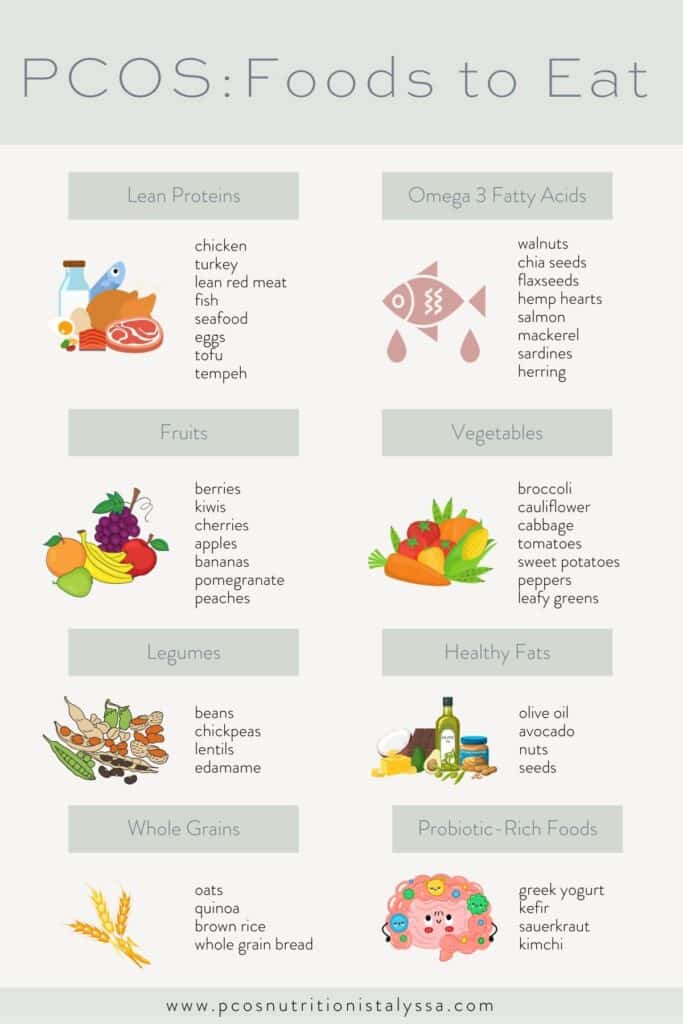
Examples of LowGI Foods:
Nonstarchy vegetables: Broccoli, leafy greens, bell peppers, zucchini, cauliflower.
Legumes: Lentils, chickpeas, black beans.
Whole grains (in moderation): Quinoa, oats, brown rice, barley.
Nuts and seeds: Almonds, walnuts, chia seeds, flaxseeds.
2. Embrace Healthy Fats
For a long time, fat was demonized, but healthy fats are essential for hormone production and cell function. They also help increase satiety and slow down the absorption of carbohydrates, further assisting with blood sugar control.
Focus on incorporating:
Monounsaturated fats: Found in avocados, olive oil, and nuts.
Polyunsaturated fats: Including omega3 fatty acids from fatty fish (salmon, mackerel), chia seeds, and walnuts. These are particularly important for their powerful antiinflammatory properties.
3. Lean Protein is NonNegotiable
Protein plays a crucial role in blood sugar management, satiety, and muscle maintenance. It has a minimal impact on blood sugar and can significantly reduce the insulin response to a meal when paired with carbohydrates.
Incorporate sources like:
Lean meats: Chicken breast, turkey.
Fatty fish: Salmon, sardines.
Plantbased proteins: Tofu, tempeh, lentils, beans.
Eggs: A fantastic source of complete protein.
4. The Power of AntiInflammatory Foods
Since inflammation is a key contributor to PCOS, an antiinflammatory diet is highly beneficial. I recommend building your meals around foods known for their inflammationfighting properties.
Foods to include regularly:
Berries: Blueberries, strawberries, raspberries.
Leafy greens: Spinach, kale.
Cruciferous vegetables: Broccoli, Brussels sprouts.
Spices: Turmeric (especially with black pepper for absorption), ginger, cinnamon.
Green tea: Contains powerful antioxidants.
Foods to Avoid or Limit: The CounterStrategy
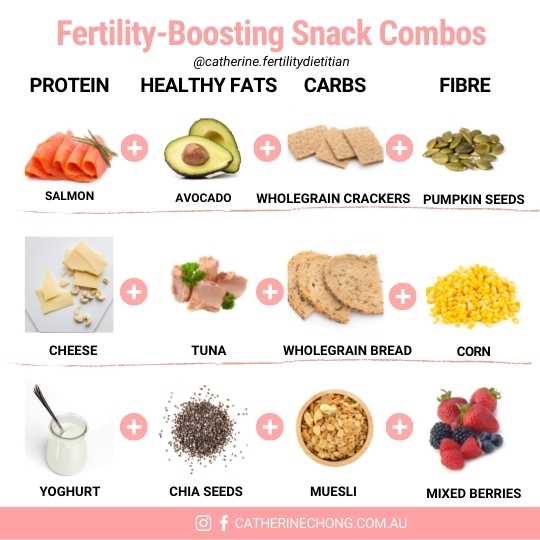
Just as important as what you should eat is what you should actively avoid. These food groups can exacerbate insulin resistance, trigger inflammation, and worsen hormonal imbalances.
1. Refined Carbohydrates and Sugary Foods
This is the most critical change to make. These foods cause rapid blood sugar spikes and insulin surges, perpetuating the vicious cycle of insulin resistance.
Avoid: White bread, pastries, cakes, cookies, sugary cereals, soda, and sweetened juices.
2. Unhealthy Fats
Trans fats and an excess of saturated fats can increase inflammation and contribute to insulin resistance.
Avoid: Fried foods, hydrogenated oils, and many processed snacks.
3. Dairy (in some cases)
The effect of dairy on PCOS is a subject of debate. Some research suggests that the insulinlike growth factors (IGF1) in dairy can mimic insulin and exacerbate symptoms in some individuals. I recommend a trial period of eliminating or significantly reducing dairy to see how your body responds.
4. Gluten (for some individuals)
Similar to dairy, gluten sensitivity can be an issue for some with PCOS. While not all women with PCOS need to avoid gluten, many find that a reduction or elimination helps with bloating, digestive issues, and inflammation. From my experience, an individualized approach is key here.
Crafting Your PCOS Diet Plan: Sample Meals
Creating a weekly meal plan is the best way to stay on track. This sample plan is designed to be a starting point, demonstrating how to combine the principles discussed above into delicious, satisfying meals.
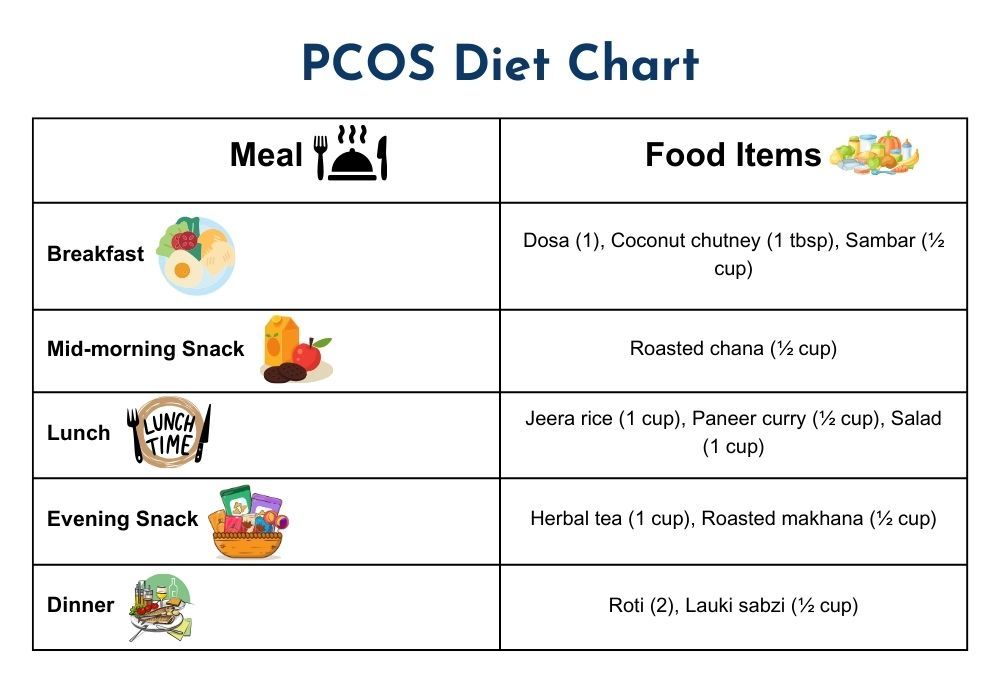
Sample Day 1: Focusing on Balanced Macros

Breakfast: Scrambled eggs with a generous portion of spinach, bell peppers, and a slice of avocado. (Protein + Healthy Fats + Nonstarchy Veggies)
Lunch: A large salad with grilled chicken breast, mixed greens, cucumber, cherry tomatoes, and a handful of walnuts. Dress with a simple olive oil and lemon vinaigrette. (Lean Protein + Fiberrich Veggies + Healthy Fats)
Dinner: Baked salmon with roasted broccoli and a small serving of quinoa. (Omega3s + Antiinflammatory Veggies + LowGI Carb)
Sample Day 2: PlantBased Power
Breakfast: Smoothie made with unsweetened almond milk, a scoop of plantbased protein powder, a handful of frozen berries, and a tablespoon of chia seeds.
Lunch: Lentil soup with a side of mixed greens.
Dinner: Tofu stirfry with a variety of colorful vegetables (broccoli, carrots, bok choy) in a gingergarlic sauce. Serve with a small portion of brown rice.
Sample Day 3: Simple & Quick
Breakfast: Overnight oats made with rolled oats, chia seeds, and unsweetened almond milk. Top with berries and a sprinkle of almonds.
Lunch: Leftover lentil soup or a tuna salad (made with Greek yogurt instead of mayonnaise) wrapped in a large lettuce leaf.
Dinner: Lean ground turkey chili with a mix of kidney beans, tomatoes, and bell peppers.
Beyond the Plate: Lifestyle Factors That Complement Your Diet
While diet is a cornerstone of managing PCOS, it is not a standalone solution. For a truly holistic approach, you must integrate other lifestyle factors that synergize with your eating plan.
1. The Importance of Regular Exercise
Exercise, particularly a combination of cardiovascular activity and strength training, is a powerful tool for improving insulin sensitivity. Building muscle mass increases your body's ability to use glucose, thereby reducing insulin resistance.
I recommend aiming for at least 150 minutes of moderateintensity exercise per week.

2. Stress Management
Chronic stress elevates cortisol levels, a hormone that can worsen insulin resistance and disrupt other hormonal balances. Finding effective stressreduction techniques is crucial.
Consider incorporating:
Meditation
Yoga
Deep breathing exercises
Spending time in nature
3. Quality Sleep
Poor sleep is linked to increased insulin resistance and higher cortisol levels. I recommend prioritizing 79 hours of quality sleep per night. Establish a consistent sleep schedule and create a relaxing bedtime routine.
Conclusion: A Journey, Not a Destination
Building a successful PCOS diet plan is a process of learning, listening to your body, and making sustainable changes. It is not about perfection, but about progress. I do believe that with the right knowledge and a committed mindset, you can transform your health and significantly improve your PCOS symptoms.
I recommend starting with small, manageable changes. Don't try to overhaul your entire diet overnight. Begin by eliminating one sugary drink a day or adding a serving of vegetables to each meal. Each small victory builds momentum and reinforces your commitment to your wellbeing. This comprehensive guide provides you with the knowledge and tools you need to take control of your health journey and thrive despite your diagnosis.
Please note: This content is for informational purposes only and is not intended as medical advice. Always consult with a healthcare professional or a registered dietitian before making significant changes to your diet or lifestyle.


Comments
Post a Comment