asparagus benefits
It is a nutritional powerhouse, a stalk of goodness brimming with an array of vitamins, minerals, and potent plant compounds that can profoundly impact your health. While its reputation as a gourmet ingredient is welldeserved, the true value of asparagus lies in its remarkable contribution to a balanced diet and overall wellbeing. We will embark on an indepth exploration, meticulously detailing the scientific evidence and practical applications of this incredible vegetable, proving why it deserves a prime spot on your plate.
The Foundation of Wellness: A Detailed Look at Asparagus Nutrition
To truly understand the benefits of asparagus, we must first appreciate its rich and diverse nutritional composition. This is not a vegetable with one or two key selling points; it is a holistic source of essential nutrients. A typical serving, approximately one cup of cooked asparagus, provides a substantial portion of your daily recommended intake for numerous vital substances.
The Vitamin and Mineral Matrix: More Than Just a Snack
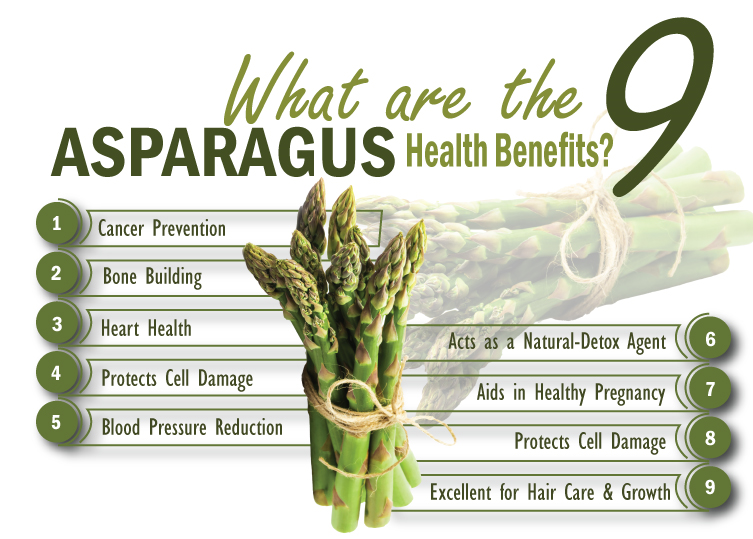
We find that asparagus is an exceptional source of Vitamin K. A single serving can provide well over half of the daily recommended value. This fatsoluble vitamin is critical for proper blood clotting and plays an indispensable role in maintaining bone health. It facilitates the body's absorption of calcium, directing it to the bones where it is needed most, thereby contributing to the prevention of conditions like osteoporosis.
Next, we encounter Folate (Vitamin B9), another nutrient found in high concentrations in asparagus. Folate is crucial for cell growth and DNA formation. For pregnant women, adequate folate intake is paramount as it significantly reduces the risk of neural tube defects in the developing fetus. Beyond pregnancy, folate is essential for red blood cell formation and can help lower levels of the amino acid homocysteine, high levels of which have been linked to an increased risk of heart disease.

The antioxidant duo of Vitamin A and Vitamin C is also present in significant quantities. Vitamin A, in the form of betacarotene, is vital for vision health, immune function, and skin integrity. Vitamin C is a powerful antioxidant that helps protect cells from oxidative stress, bolsters the immune system, and is necessary for the synthesis of collagen, which is critical for healthy skin, tendons, and blood vessels.
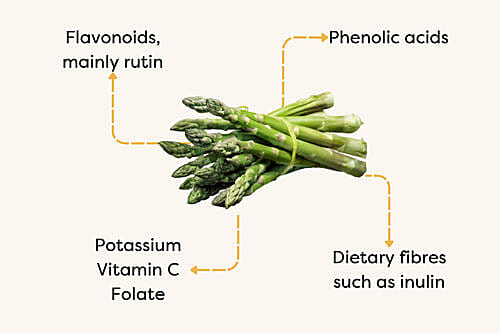
Furthermore, we discover that asparagus contains a notable amount of Potassium, an electrolyte that is fundamental for maintaining a healthy blood pressure and ensuring proper muscle and nerve function. Potassium helps to counteract the effects of sodium, promoting a healthy balance of fluids in the body. The trace mineral Chromium is also found in asparagus. This mineral is believed to enhance the action of insulin, which is the hormone responsible for transporting glucose from the bloodstream into your cells for energy. This makes asparagus a valuable addition to the diet of individuals managing their blood sugar levels.
The Antioxidant and AntiInflammatory Arsenal
The most profound health benefits of asparagus are arguably derived from its abundance of antioxidants. These compounds are our body's natural defense against oxidative stress, a process caused by an imbalance of free radicals that can damage cells and lead to chronic diseases.
A Symphony of Protective Compounds
Asparagus is particularly rich in flavonoids, including quercetin, kaempferol, and isorhamnetin. These plantbased compounds have been extensively studied for their powerful antiinflammatory and antioxidant properties. Quercetin, for example, has been shown to have a wide range of biological activities, including antihistamine effects and the ability to modulate immune responses.
Beyond flavonoids, asparagus is one of the richest sources of glutathione, often referred to as the "master antioxidant." Glutathione is a tripeptide composed of three amino acids: cysteine, glutamic acid, and glycine. It plays a pivotal role in detoxification processes, helping the liver break down harmful compounds and expel them from the body. Research suggests that high levels of glutathione may help protect against certain cancers, liver damage, and agerelated cognitive decline.
Purple asparagus, in particular, contains a high concentration of anthocyanins, the same powerful antioxidants found in blueberries and red grapes. These compounds are responsible for its vibrant color and have been shown to have strong antiinflammatory effects, potentially reducing the risk of heart disease by improving cholesterol profiles and lowering blood pressure.
Digestive Health and Weight Management
One of the most immediate and tangible benefits we observe from incorporating asparagus into the diet is its positive impact on digestive health. This is primarily due to its high fiber content and unique prebiotic properties.
The GutFriendly Fiber and Prebiotic Connection
Asparagus is an excellent source of dietary fiber, containing both soluble and insoluble types. Insoluble fiber acts as a bulking agent, promoting regular bowel movements and preventing constipation. This is crucial for a healthy digestive tract. Soluble fiber, on the other hand, dissolves in water to form a gellike substance, which can help regulate blood sugar levels and lower LDL ("bad") cholesterol.
What truly sets asparagus apart is its high concentration of a special type of fiber known as inulin. Inulin is a prebiotic, meaning it is not digested by our bodies but instead serves as food for the beneficial bacteria, or probiotics, in our gut. A healthy gut microbiome is essential for a robust immune system, efficient nutrient absorption, and even mental wellbeing. By nourishing these good bacteria, asparagus helps to maintain a balanced and thriving gut ecosystem.
Furthermore, the high fiber and water content of asparagus makes it an ideal food for weight management. It is remarkably low in calories, with a single serving containing less than 30 calories. The fiberrich nature of asparagus helps promote a feeling of fullness and satiety, which can help prevent overeating and snacking between meals. We recommend it as a perfect side dish for those on a caloriecontrolled diet.
Protecting the Heart and Mind
The cumulative effect of the nutrients and compounds in asparagus extends to some of the most critical aspects of our health, including cardiovascular and cognitive function.
A HeartHealthy Champion
The synergistic action of potassium, fiber, and Bvitamins in asparagus makes it a powerful ally for heart health. The potassiumrich content helps to lower blood pressure, a primary risk factor for heart disease. The high fiber content helps to lower cholesterol levels, and the presence of folate helps to regulate homocysteine, which, as we noted, is a significant marker for cardiovascular risk.
Moreover, the antiinflammatory properties of asparagus's antioxidants, particularly the anthocyanins in the purple variety, can reduce systemic inflammation, a key driver of atherosclerosis (hardening of the arteries). We find that a diet rich in these compounds can contribute to overall cardiovascular resilience.
A Boost for Brain Function
The same nutrients that support heart health also play a critical role in cognitive function. The folate and vitamin B12 found in asparagus work together to help prevent cognitive decline. Studies have shown that a deficiency in these B vitamins can lead to elevated levels of homocysteine, which is linked to an increased risk of Alzheimer's disease and other forms of dementia.
The antioxidant glutathione also helps to protect brain cells from oxidative damage, which is a major factor in the aging process. By providing the building blocks for this crucial antioxidant, asparagus helps to fortify the brain against stress and deterioration.
Other Remarkable Health Benefits
Our investigation into the benefits of asparagus reveals a host of other health advantages that are equally compelling.
A Natural Diuretic and Detoxifier
Asparagus has long been recognized as a natural diuretic. This is attributed to the high concentration of the amino acid asparagine. A diuretic helps the body to excrete excess fluid and salt, which can be beneficial for individuals with fluid retention or high blood pressure. This flushing action also helps to cleanse the urinary tract and kidneys, potentially helping to prevent urinary tract infections. This diuretic effect is also what gives asparagus its characteristic, though harmless, odor in urine, a side effect we find is a small price to pay for such profound benefits.
Potential for Cancer Prevention
The presence of the antioxidant glutathione makes asparagus a subject of interest in cancer research. Glutathione is a powerful detoxifying agent that can help neutralize harmful carcinogens and other toxic compounds in the body. While more research is needed, a number of studies suggest that a diet rich in glutathionerich foods like asparagus may play a role in reducing the risk of certain cancers, including those of the bone, breast, lung, and colon.
How to Select and Prepare Asparagus for Maximum Benefit
To reap the full spectrum of benefits, it is crucial to select and prepare asparagus properly. We recommend choosing asparagus spears that are firm, straight, and have tightly closed tips. Avoid any that look wilted, shriveled, or have open, flowering heads, as this is an indication of age. The stalks should have a bright green color, although purple and white varieties are also excellent.
When preparing, we advise a simple approach that preserves the maximum amount of nutrients. While boiling can lead to the loss of watersoluble vitamins like Vitamin C and Bvitamins, roasting, grilling, or steaming are excellent methods that lock in flavor and nutritional integrity. Sautéing with a little healthy fat, such as olive oil, is also an excellent option as it can improve the absorption of fatsoluble vitamins like A, E, and K.
Our Recommended Asparagus Recipes for Optimal Health
To help you incorporate this incredible vegetable into your diet, we have curated a collection of simple yet delicious recipes that maximize both flavor and nutrition.
Roasted Asparagus with Lemon and Garlic
This is, in our opinion, the simplest and most effective way to enjoy asparagus. The highheat roasting brings out its natural sweetness and creates a perfect texture.
Preheat oven to 400°F (200°C).
Wash and trim one bunch of asparagus, discarding the woody ends.
Toss the spears with 2 tablespoons of extra virgin olive oil, 2 minced garlic cloves, a pinch of sea salt, and freshly ground black pepper.

Arrange in a single layer on a baking sheet.
Roast for 1015 minutes, or until tendercrisp.
Finish with a squeeze of fresh lemon juice before serving.
Quick and Healthy Asparagus Soup
A creamy and comforting soup that's packed with nutrients.
In a pot, sauté one chopped onion and two minced garlic cloves in a tablespoon of olive oil until soft.
Add 4 cups of vegetable broth and one pound of trimmed and chopped asparagus.
Bring to a boil, then reduce heat and simmer for 1015 minutes until asparagus is tender.

Carefully transfer the mixture to a blender and blend until smooth.
Return to the pot, stir in a quarter cup of Greek yogurt for creaminess, and season with salt and pepper.

Asparagus and Mushroom StirFry
A quick weeknight meal that is both delicious and nutrientdense.
Heat a tablespoon of sesame oil in a wok or large skillet over high heat.
Add one pound of trimmed and diagonally sliced asparagus and 8 ounces of sliced mushrooms.
Stirfry for 35 minutes until the vegetables are tendercrisp.
In a small bowl, whisk together 2 tablespoons of soy sauce, 1 tablespoon of rice vinegar, and a teaspoon of ginger.
Pour the sauce over the vegetables and toss to coat.
Garnish with toasted sesame seeds and serve immediately.
Conclusion: A Green Superfood for a Healthier You
In the final analysis, we find that the benefits of asparagus are profound and multifaceted. It is a humble vegetable with an extraordinary nutritional profile, offering a potent combination of vitamins, minerals, and antioxidants that support everything from cardiovascular health to brain function. The scientific evidence is compelling, and its versatility in the kitchen makes it an easy and delicious addition to any diet. We have explored the depth of its benefits, from its role in detoxification and digestion to its potential in preventing chronic disease. We conclude that there is no doubt that asparagus deserves its place as a truly essential "superfood." Incorporating this vibrant green spear into your meals is one of the simplest yet most effective steps you can take toward a healthier, more vibrant life.


Comments
Post a Comment