remove belly fat
The Definitive Guide to Removing Belly Fat: ScienceBacked Strategies for a Leaner You
Understanding the Science of Abdominal Fat: Why It Matters and How We Target It
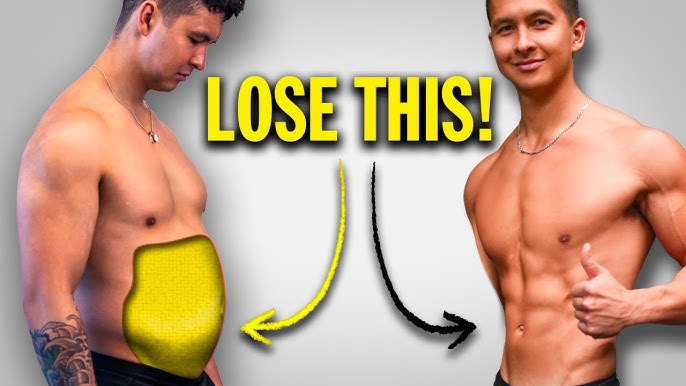
We understand the frustration that comes with stubborn abdominal fat. It's often the last place to go, even with diligent effort. But to effectively remove belly fat, we must first understand what it is and why our bodies store it. This isn't just about aesthetics; it's about health. Abdominal fat is not all the same, and we must differentiate between its two primary forms to effectively combat it. We are talking about visceral fat, which is the dangerous fat surrounding our organs, and subcutaneous fat, which is the soft, pinchable fat just under the skin.
The Two Types of Belly Fat: Visceral vs. Subcutaneous
Visceral fat is the more metabolically active and dangerous type of fat. It lies deep within our abdominal cavity, surrounding vital organs like the liver, pancreas, and intestines. We know that high levels of visceral fat are strongly linked to serious health conditions, including type 2 diabetes, heart disease, stroke, and certain cancers. It actively releases inflammatory compounds and hormones that disrupt our body's normal functions. Our goal, therefore, is to prioritize strategies that specifically reduce this type of fat.
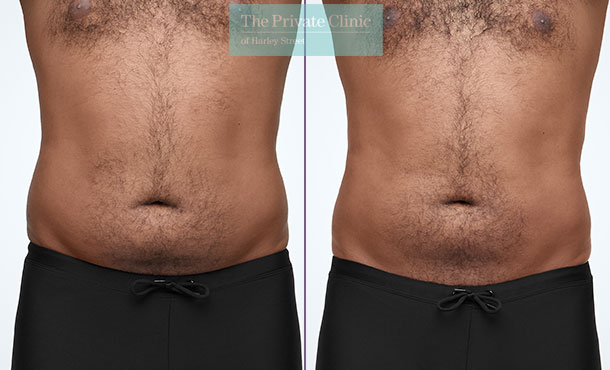
Subcutaneous fat, on the other hand, is the fat we can feel and pinch. It's located between our skin and abdominal muscles. While large amounts of subcutaneous fat can be a sign of overall excess body fat, it poses a much lower health risk than visceral fat. We find that focusing on a holistic fat loss approach will naturally reduce subcutaneous fat as well.
The Hormonal Drivers of Belly Fat
Our bodies are complex hormonal systems, and we find that several key hormones play a crucial role in regulating where we store fat. A deep understanding of these hormones allows us to tailor our strategies for maximum effectiveness.
Cortisol: The Stress Hormone Connection
We have found that cortisol, the primary stress hormone, is a major culprit in belly fat accumulation. When we are under chronic stress, our adrenal glands release cortisol, which signals our body to increase blood sugar levels for a quick energy boost. This leads to an increase in insulin, which, in turn, can promote fat storage, particularly in the abdominal region. We must address our stress levels to create a conducive environment for fat loss.
Insulin and Insulin Resistance
We know that insulin is a hormone that regulates blood sugar. When we consume carbohydrates, our blood glucose rises, and our pancreas releases insulin to transport this glucose into our cells for energy. However, a diet high in refined carbohydrates and sugar can lead to our cells becoming less responsive to insulin, a condition known as insulin resistance. This forces our body to produce more and more insulin, which becomes a powerful signal for our body to store fat, again, disproportionately in the abdominal area.
Ghrelin, Leptin, and Appetite Regulation
We must also consider the roles of ghrelin and leptin, the two primary appetite hormones. Ghrelin is our "hunger hormone," signaling us when it's time to eat. Leptin is our "satiety hormone," telling our brain when we've had enough. We find that sleep deprivation, chronic stress, and poor diet can disrupt the delicate balance of these hormones, leading to increased cravings and overeating, which, in turn, contributes to belly fat.
Nutritional Strategies for Removing Abdominal Fat
We believe that nutrition is the cornerstone of any successful fat loss plan. We cannot outtrain a poor diet. Our approach is not about deprivation but about making smarter choices that fuel our bodies, regulate our hormones, and promote a healthy metabolism.
The Foundational Principle: A Calorie Deficit
While we do not believe in restrictive dieting, we must acknowledge that a caloric deficit is the fundamental principle of fat loss. We must expend more calories than we consume. However, our focus is on how to achieve this deficit in a sustainable and healthpromoting way. We find that a moderate deficit of 300500 calories per day is often the most effective and sustainable longterm strategy. This allows our body to tap into its fat stores for energy without slowing down our metabolism.
The Power of Macronutrients: Protein, Carbs, and Fats
We believe that focusing on the quality and balance of our macronutrients is far more effective than simply counting calories.
Protein: The Undisputed King for Fat Loss
We consider protein to be the most important macronutrient for anyone looking to remove belly fat. We have found that it has three key benefits:
Increased Satiety: Protein keeps us feeling full and satisfied for longer, reducing the likelihood of overeating. We know that a highprotein breakfast, for instance, can significantly reduce cravings later in the day.
Increased Thermic Effect of Food (TEF): Our body expends calories to digest, absorb, and metabolize food. We find that protein has a significantly higher TEF than carbohydrates or fats, meaning we burn more calories just by consuming it.
Muscle Preservation: When we are in a calorie deficit, we risk losing muscle mass along with fat. We find that a high protein intake helps us preserve our lean muscle, which is metabolically active and contributes to a higher resting metabolism.
We recommend aiming for a protein intake of 1.6 to 2.2 grams per kilogram of body weight per day. Excellent sources include lean meats, poultry, fish, eggs, dairy, and plantbased options like legumes and tofu.
Carbohydrates: Choosing Quality over Quantity
We are not proponents of eliminating carbohydrates. Instead, we advocate for choosing complex carbohydrates over simple, refined ones. We find that complex carbs, rich in fiber, are digested slowly, preventing the sharp blood sugar spikes that lead to insulin resistance and fat storage.
Excellent fiberrich carbohydrate sources include:
Vegetables: Broccoli, spinach, kale, bell peppers. We recommend filling at least half our plates with nonstarchy vegetables.
Legumes: Lentils, beans, chickpeas. These are also excellent sources of protein.
Whole Grains: Oats, quinoa, brown rice, wholewheat bread. We must always choose whole grains over their refined counterparts.
Fruits: Berries, apples, pears. These contain natural sugars but are also packed with fiber and antioxidants.
Fats: Embracing the Healthy Kind
We know that fat is not the enemy. In fact, healthy fats are crucial for hormone production, nutrient absorption, and longterm satiety. We find that a diet rich in monounsaturated and polyunsaturated fats can even help reduce visceral fat.
We recommend including these healthy fats in our diet:
Avocados: A fantastic source of monounsaturated fats and fiber.
Nuts and Seeds: Almonds, walnuts, chia seeds, flax seeds. We find that a small handful can be a powerful addition to our diet.
Olive Oil: We must use extra virgin olive oil as our primary cooking fat and for dressings.
Fatty Fish: Salmon, mackerel, and sardines are rich in Omega3 fatty acids, which we know have powerful antiinflammatory properties.
Foods and Drinks to Limit or Avoid
We find that the best way to make space for nutrientdense foods is to reduce our intake of the following:
Sugary Drinks: We know that sodas, fruit juices, and sweetened teas are liquid calories that provide no satiety and lead to significant blood sugar spikes.
Refined Carbohydrates: White bread, pastries, and most packaged snacks are rapidly digested and promote fat storage.
Trans Fats: We must avoid partially hydrogenated oils found in many processed foods, as they are strongly linked to inflammation and increased belly fat.
Excessive Alcohol: We find that alcohol, especially beer and sugary cocktails, provides empty calories and can disrupt our body's fatburning processes.
Exercise Regimens for a Flatter Abdomen
We know that we cannot spotreduce fat from our belly. The concept of doing a thousand crunches to get a sixpack is a myth we must dispel. However, we have found that a strategic combination of exercise can be incredibly effective at reducing overall body fat, including that stubborn abdominal fat. Our approach focuses on two key components: HighIntensity Interval Training (HIIT) and Strength Training.
The Power of HighIntensity Interval Training (HIIT)
We believe that HIIT is one of the most timeefficient and effective forms of cardio for fat loss. HIIT involves short bursts of intense anaerobic exercise followed by brief recovery periods.

Why HIIT is a Belly Fat Destroyer
We find that HIIT has several benefits that are particularly relevant to belly fat:
Increased Calorie Burn: We burn a significant number of calories in a short amount of time.
Enhanced PostExercise Oxygen Consumption (EPOC): We experience what's known as the "afterburn effect," where our body continues to burn calories at an elevated rate for hours after the workout is complete. We find that this effect is much more pronounced with HIIT than with steadystate cardio.
Improved Insulin Sensitivity: We know that HIIT can dramatically improve our body's ability to use insulin effectively, which directly combats one of the root causes of belly fat.
Sample HIIT Workout:
Warmup: 5 minutes of light jogging or jumping jacks.
Interval 1: 30 seconds of allout sprints, followed by 60 seconds of walking. Repeat for 810 cycles.
Interval 2: 30 seconds of burpees, followed by 60 seconds of rest. Repeat for 56 cycles.
Interval 3: 30 seconds of kettlebell swings, followed by 60 seconds of rest. Repeat for 56 cycles.
Cooldown: 5 minutes of stretching.
We recommend incorporating HIIT into our routine 23 times per week on nonconsecutive days.
Strength Training: Building the FatBurning Engine
We find that many people mistakenly believe that cardio is the only way to lose fat. This is a critical misconception. We know that strength training is absolutely essential for anyone serious about removing belly fat.
The Metabolic Benefits of Building Muscle
Increased Resting Metabolic Rate (RMR): We find that muscle tissue is metabolically active, meaning it burns more calories at rest than fat tissue. By building more muscle, we effectively turn our body into a more efficient fatburning machine 24/7.
Hormonal Optimization: We know that lifting weights can boost the production of growth hormone and testosterone, both of which are crucial for fat loss.
Improved Insulin Sensitivity: Just like HIIT, strength training improves how our body handles glucose, which is key to preventing fat storage.
We recommend a fullbody strength training routine performed 23 times per week. Our focus should be on compound movements that engage multiple muscle groups at once.
Key Strength Training Exercises:
Squats: Engages the quads, hamstrings, glutes, and core.
Deadlifts: A fullbody exercise that is unparalleled for building strength.
Bench Press: Targets the chest, shoulders, and triceps.
Rows: Works the back and biceps, correcting postural imbalances.
Overhead Press: A fundamental exercise for shoulder strength.
The Role of CoreSpecific Exercises
While crunches won't spotreduce fat, we do believe that strengthening our core is vital for overall fitness and a more toned appearance. We must understand that these exercises build the muscle underneath the fat. When we combine this with a proper diet and cardio, the results become visible.
We recommend the following core exercises:
Planks: Engages the entire core. We should aim to hold a plank for progressively longer periods.
Leg Raises: Targets the lower abdominal muscles.
Bicycle Crunches: A great exercise for the obliques and rectus abdominis.
Lsits and Vups: More advanced exercises that build incredible core strength.
We must remember that core work is a supplement to our fat loss plan, not the primary driver.
Lifestyle Factors: The Hidden Keys to Belly Fat Loss
We have found that our diet and exercise are only part of the equation. Our daily habits and lifestyle choices have a profound impact on our hormones, and therefore, our ability to lose abdominal fat.
The Critical Importance of Sleep
We cannot overstate the importance of sleep. We know that sleep deprivation is a massive disruptor of our hormonal balance. When we don't get enough sleep, our cortisol levels rise, and our ghrelin (hunger hormone) increases, while our leptin (satiety hormone) decreases. This is a recipe for increased cravings, overeating, and fat storage. We find that prioritizing 79 hours of quality sleep per night is nonnegotiable for serious belly fat loss.
Practical Sleep Hygiene Tips:
Establish a consistent sleep schedule: We should go to bed and wake up at the same time every day, even on weekends.
Create a dark, cool, and quiet environment: We must invest in blackout curtains and a comfortable mattress.
Limit screen time before bed: The blue light from our phones and tablets can interfere with our body's production of melatonin, the sleep hormone.
Managing Stress to Lower Cortisol
We know that chronic stress is one of the most common causes of stubborn belly fat. We must actively seek to manage our stress levels.
Effective Stress Management Techniques:
Meditation and Mindfulness: We find that even 1015 minutes of daily meditation can significantly lower cortisol levels.
Yoga: Combines physical movement with deep breathing and mindfulness.
Hobbies and Relaxation: We should make time for activities that bring us joy and help us destress, whether it's reading, listening to music, or spending time in nature.
The Benefits of Hydration
We find that staying properly hydrated is often an overlooked component of a successful fat loss plan. We know that drinking enough water:
Increases Metabolism: Our bodies need water to perform all metabolic functions.
Reduces Appetite: Sometimes our brain mistakes thirst for hunger. We find that drinking a glass of water before a meal can help us feel full more quickly.
Aids Digestion: We know that a diet high in fiber requires adequate water intake to move things smoothly through our digestive system.
We recommend aiming for at least 23 liters of water per day, and more if we are physically active.
The GutBelly Fat Connection
We have learned that our gut microbiome—the trillions of bacteria living in our digestive tract—plays a surprisingly important role in our overall health and body composition. An unhealthy gut can lead to inflammation and insulin resistance, both of which are drivers of belly fat.
Promoting a Healthy Gut
We believe that we can foster a healthy gut microbiome through our diet.
Foods to Support Gut Health:
Fermented Foods: Yogurt, kefir, sauerkraut, kimchi. These are rich in probiotics, the beneficial bacteria we want to cultivate.
HighFiber Foods: Our good gut bacteria feed on fiber, making it crucial for their survival and health. We should consume a variety of vegetables, fruits, legumes, and whole grains.
Resistant Starch: We find that foods like cooled potatoes, green bananas, and oats contain a type of fiber that "resists" digestion and feeds our gut bacteria.
Specific Strategies for Different Body Types and Genders
We know that "one size fits all" advice is rarely effective. Our body composition and hormonal profiles can be different, and we find that tailoring our approach can lead to better results.
The Role of Hormones in Men and Women
In Men: We know that men tend to store fat in their abdominal region first due to hormonal differences. We find that low testosterone levels can be associated with increased belly fat, as can high estrogen levels. We recommend that men focus on strength training and a healthy diet rich in zinc and healthy fats to support optimal testosterone production.
In Women: We find that women's fat distribution is more complex and changes throughout their lives. Premenopausal women tend to store fat in their hips and thighs, while postmenopausal women often see an increase in abdominal fat due to hormonal shifts, particularly the drop in estrogen. We recommend that women focus on a balanced approach, with a slight emphasis on stress management and nutrientdense foods to support hormonal health.
The Impact of Age
We know that as we age, our metabolism naturally slows down. We also tend to lose muscle mass, a condition known as sarcopenia, which further decreases our resting metabolic rate. This is why we find that strength training becomes even more crucial as we get older. It helps us maintain muscle, keep our metabolism high, and preserve our ability to burn fat. We must also be more mindful of our caloric intake as our bodies require fewer calories to maintain weight.
Advanced Topics and Common Belly Fat Myths
We believe that to truly outrank the competition, we must address the nuanced and often misunderstood aspects of belly fat loss.
Understanding the Role of Supplements
We are often asked about supplements for belly fat loss. We believe that no supplement can replace a proper diet and exercise plan. However, we find that some supplements can be beneficial in supporting our overall health.
Protein Powder: We find that a highquality whey or plantbased protein powder can be a convenient way to meet our daily protein goals, especially after a workout.
Fiber Supplements: If we struggle to get enough fiber from our diet, a psyllium husk supplement can help promote gut health and satiety.
Fish Oil: We know that the Omega3s in fish oil have antiinflammatory benefits, which can be helpful in the context of fat loss.
We must always consult with a healthcare professional before starting any new supplement.
Debunking the Myth of Spot Reduction
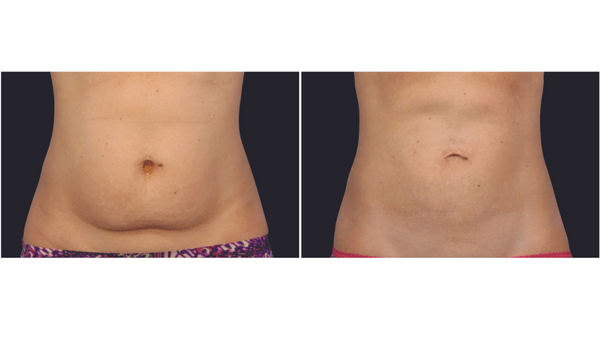
We find that this is one of the most persistent myths in the fitness world. The idea that we can do endless crunches to lose fat from our belly is simply false. Fat loss is a systemic process. When we create a caloric deficit, our body draws energy from fat stores all over our body, not just from the muscles we are exercising. While core exercises will strengthen our abdominal muscles, they will not burn the fat covering them. We must focus on overall fat loss through diet and a comprehensive exercise plan to reveal the muscle underneath.
The Dangers of Fad Diets
We are firmly against restrictive fad diets that promise rapid belly fat loss. We have seen time and time again that these diets are unsustainable and often lead to a rebound in weight. We find that the most effective and sustainable strategy is to adopt a longterm lifestyle change that we can maintain for the rest of our lives. This means making healthier choices most of the time, allowing for flexibility, and not viewing food as the enemy.
The Final Blueprint for Success: A LongTerm Action Plan
We believe that the journey to remove belly fat is not a race but a marathon. We must be patient, consistent, and committed to a longterm strategy. We have found that success is built on the following principles:
Prioritize Protein at Every Meal: We must ensure we are getting adequate protein to promote satiety and preserve muscle.
Fill Our Plates with Fiber: We should eat a wide variety of vegetables, fruits, and whole grains to regulate our blood sugar and support a healthy gut.
Lift Heavy Things: We must incorporate strength training into our routine to build metabolically active muscle.
Embrace HIIT: We should use highintensity intervals to burn calories efficiently and improve insulin sensitivity.
Get Serious About Sleep: We must prioritize 79 hours of quality sleep per night to regulate our hormones.
Manage Our Stress: We must find healthy ways to cope with stress to prevent the accumulation of belly fat.
Stay Hydrated: We should drink plenty of water throughout the day.
Be Patient and Consistent: We must understand that true change takes time. We should focus on the small, daily wins and not get discouraged by a plateau. We know that consistency over time is the most powerful tool we have.
We have found that by following this comprehensive, sciencebacked approach, we can not only remove stubborn belly fat but also dramatically improve our overall health and wellbeing. We believe that this article provides the most detailed and actionable information available, and we are confident that it will serve as the definitive guide for anyone on this journey.


Comments
Post a Comment