weight loss plan
This means consistently consuming fewer calories than your body expends. We have found that while this concept is easy to grasp, its execution is where most people struggle. Therefore, our guide is not just about the "what," but the "how" and "why" behind every successful strategy. We believe that understanding the physiological and psychological mechanisms at play is crucial for longterm success. A proficient weight loss plan must be more than a temporary diet; it must be a sustainable lifestyle transformation.
Understanding the Caloric Deficit: The Engine of Weight Loss
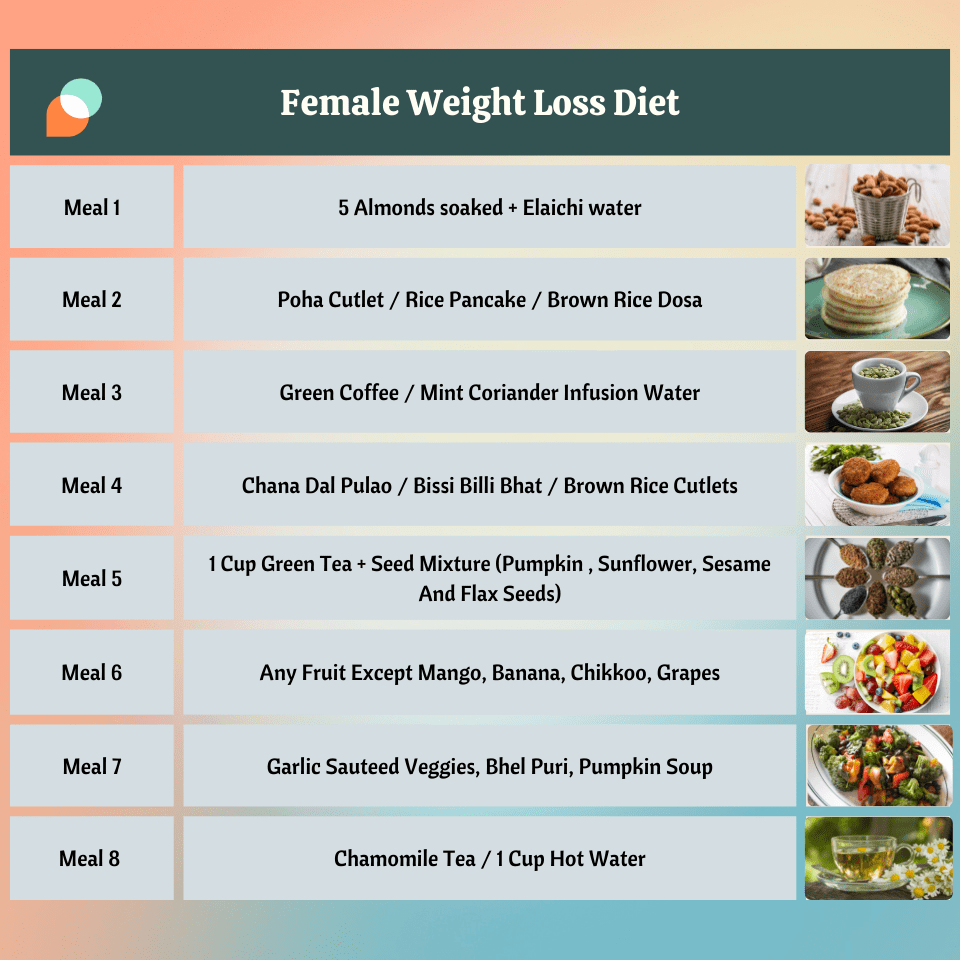
The human body operates on a constant energy budget. Calories from food provide this energy, and we expend them through a combination of our Basal Metabolic Rate (BMR), physical activity, and the Thermic Effect of Food (TEF). Your BMR is the energy your body uses to perform basic, lifesustaining functions, even at rest. Physical activity, from a simple walk to a strenuous workout, accounts for the most variable part of your energy expenditure. The TEF is the energy your body uses to digest, absorb, and metabolize the food you eat.
We recommend calculating your individual caloric needs using a reliable formula, such as the MifflinSt Jeor equation, and then aiming for a moderate, safe deficit of 5001000 calories per day. This approach typically leads to a steady and sustainable weight loss of 1 to 2 pounds per week, which we have found to be the most effective for preserving lean muscle mass and ensuring the weight stays off. Rapid weight loss, from our experience, often results in the loss of muscle and water, which is counterproductive and frequently leads to a frustrating rebound.
The Role of Macronutrients: Beyond Counting Calories
While the caloric deficit is the primary driver, the composition of those calories is equally, if not more, important. We categorize our nutritional intake into three primary macronutrients: protein, carbohydrates, and fats. Each plays a distinct and vital role in a comprehensive weight loss plan.
Protein: We emphasize the critical role of protein. It is the most satiating macronutrient, meaning it helps you feel full for longer, which can significantly reduce overall calorie intake. Furthermore, a highprotein diet helps preserve muscle mass during a caloric deficit. We suggest aiming for a protein intake of 0.8 to 1.2 grams per pound of lean body mass. Highquality protein sources include lean meats, poultry, fish, eggs, dairy, and plantbased options like legumes and tofu.
Carbohydrates: We do not advocate for a nocarb approach. Instead, we promote the consumption of complex carbohydrates found in whole grains, fruits, and vegetables. These foods are rich in fiber, which aids in satiety and promotes digestive health. They provide the body with a steady supply of energy, preventing the energy crashes and cravings associated with refined carbohydrates. We recommend limiting simple carbohydrates such as sugary drinks, white bread, and pastries, which offer little nutritional value.
Fats: Healthy fats are essential for hormone production, nutrient absorption, and longterm satiety. We recommend incorporating monounsaturated and polyunsaturated fats from sources like avocados, nuts, seeds, and olive oil. We strongly advise against a lowfat diet, as it can be detrimental to overall health and often leads to overconsumption of refined carbohydrates to compensate for a lack of flavor and fullness.
Crafting a Personalized and Flexible Weight Loss Plan
From our extensive work with individuals, we understand that there is no onesizefitsall solution for weight loss. The most successful weight loss plan is one that is tailored to an individual's unique lifestyle, preferences, and physiological needs.
The Power of Meal Planning and Preparation
We find that one of the most significant predictors of success is a commitment to meal planning and preparation. By dedicating time each week to planning your meals and preparing healthy snacks, you take control of your nutritional intake. This proactive step helps you avoid impulse eating and poor food choices that often occur when you are hungry and unprepared. We suggest a strategy that includes:
Batch Cooking: Prepare large batches of staple foods like grilled chicken, quinoa, and roasted vegetables that can be mixed and matched throughout the week.
Portion Control: We recommend using measuring cups and a food scale to ensure accuracy, especially at the beginning of your journey. This practice helps to reeducate your understanding of what a true serving size looks like.
Mindful Eating: We strongly encourage a practice of mindful eating. This involves paying close attention to the act of eating, savoring each bite, and listening to your body's hunger and fullness cues. We have found this to be a powerful tool for developing a healthier relationship with food.
The Importance of Hydration

A factor we cannot overstate is the importance of proper hydration. Often, our bodies mistake thirst for hunger. By consistently drinking water throughout the day, you can help manage your appetite and support your metabolism. We recommend aiming for at least 8 glasses of water a day, and more if you are physically active. Water also plays a vital role in nutrient transport and waste removal, making it a cornerstone of any effective weight loss plan.
Strategic Eating and Meal Timing
While we acknowledge that the total caloric intake over a day is the most critical factor, the timing of meals can also play a role in managing hunger and energy levels. We do not support the idea of a "magic" meal timing, but we do recommend:
Eating a proteinrich breakfast: This sets the stage for a day of stable energy and reduced cravings.
Avoiding latenight eating: For many, latenight snacking is a major source of excess calories. We find that establishing a clear "kitchen closing time" can be highly effective.
Listening to your body: Ultimately, we advise you to eat when you are genuinely hungry and stop when you are satisfied, regardless of the clock.
The Indispensable Role of Physical Activity
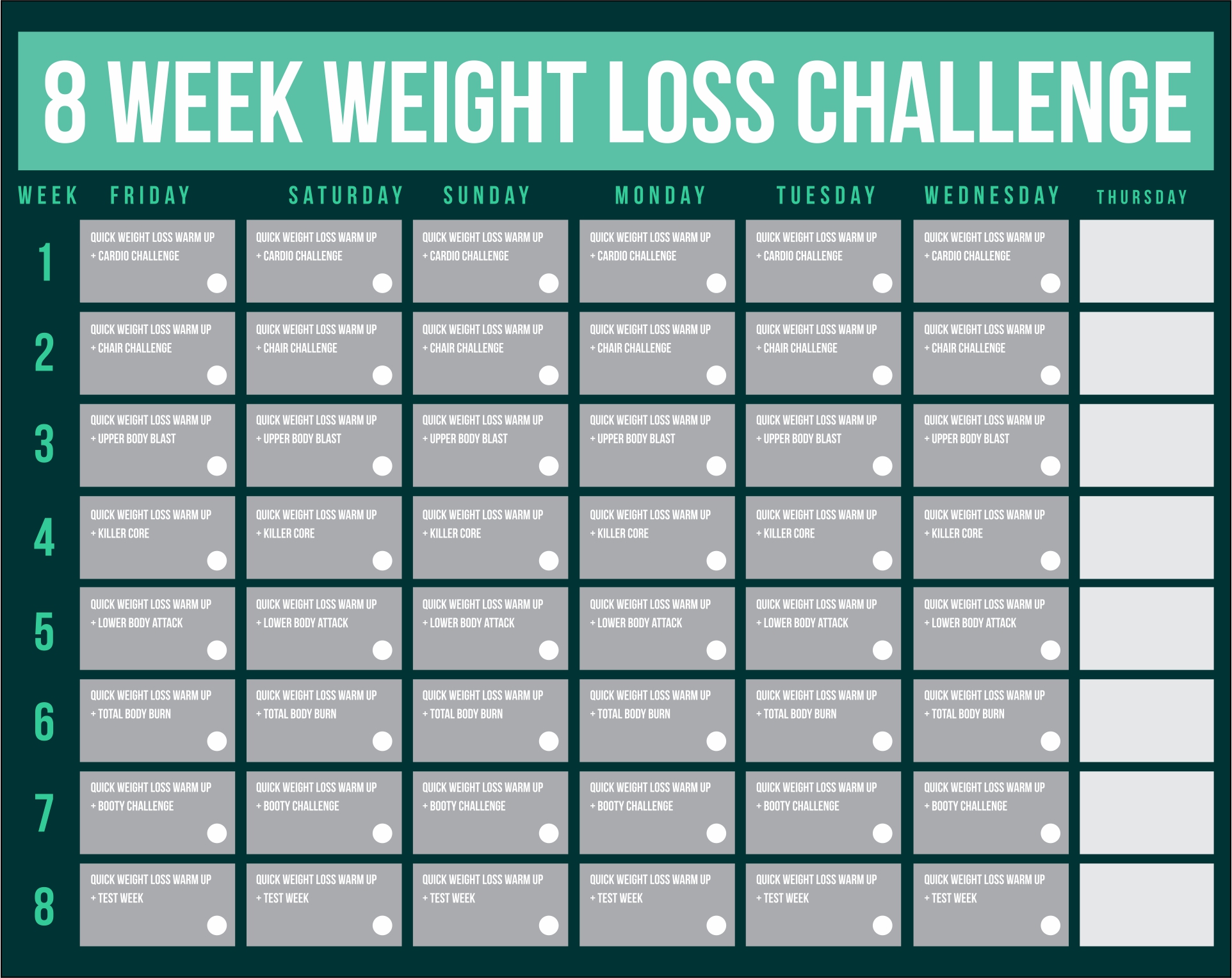
A successful weight loss plan is a synergy of proper nutrition and consistent physical activity. Exercise not only helps to create a caloric deficit but also offers a myriad of health benefits that support your weight loss and overall wellbeing.
A Blended Approach: Cardio and Strength Training
We recommend a balanced approach that includes both cardiovascular exercise and strength training.
Cardiovascular Exercise: Also known as aerobic exercise, this type of activity elevates your heart rate and is highly effective at burning calories. We recommend at least 150 minutes of moderateintensity cardio per week, or 75 minutes of vigorousintensity cardio. Examples include brisk walking, jogging, cycling, and swimming.
Strength Training: Often overlooked, strength training is an absolutely crucial component. Building and maintaining lean muscle mass increases your Basal Metabolic Rate (BMR), meaning your body burns more calories even at rest. We suggest incorporating strength training at least two times per week, focusing on major muscle groups. This can include lifting weights, using resistance bands, or bodyweight exercises.
Incorporating Activity into Your Daily Routine
We understand that a busy schedule can make it difficult to find time for the gym. That is why we recommend finding ways to integrate physical activity into your daily life. This can be as simple as:
Taking the stairs instead of the elevator.
Parking further away from your destination.
Going for a walk during your lunch break.
Engaging in active hobbies like hiking or dancing.
The Psychological Component: Building a Resilient Mindset
From our experience, the most challenging aspect of any weight loss plan is not the physical change, but the psychological one. Sustainable weight loss requires a shift in mindset and the development of healthy habits.
Setting Realistic and Achievable Goals
We advise against setting unrealistic goals that lead to frustration and burnout. Instead, we recommend a "SMART" goalsetting framework:
Specific: Instead of "I want to lose weight," try "I will lose 1 pound per week for the next month."
Measurable: Use a scale, body measurements, or progress photos to track your success.
Achievable: Ensure your goals are realistic for your body and lifestyle.

Relevant: Your goals should align with your overall health and wellness objectives.
Timebound: Set a clear deadline for each goal to maintain focus and motivation.
The Role of Stress and Sleep
We have found that stress and sleep are two of the most underestimated factors in weight management. High stress levels can lead to increased cortisol production, which can promote fat storage, particularly around the midsection. A lack of sleep can disrupt the hormones that regulate hunger and appetite, leading to increased cravings and a higher caloric intake. We recommend prioritizing:
Stress Management: Incorporate stressreducing activities like meditation, yoga, or spending time in nature.

Adequate Sleep: Aim for 79 hours of quality sleep per night.
The Social and Environmental Factors
We recognize that a successful weight loss plan does not exist in a vacuum. Your social and environmental surroundings can either support or hinder your progress.
Building a Support System
We recommend enlisting the help of friends, family, or a community to support you on your journey. Sharing your goals and progress with a trusted group can provide accountability and motivation. Conversely, we advise limiting your time with individuals or in situations that may sabotage your efforts.
Navigating Your Environment
We find that making small changes to your environment can have a profound impact. This includes:
Removing tempting foods from your home.
:max_bytes(150000):strip_icc()/erin-oprea-weight-loss-workout-plan2-e91dbdc195bd46fd89825e202189319a.jpg "weight loss plan ()")
Stocking your pantry with healthy, whole foods.
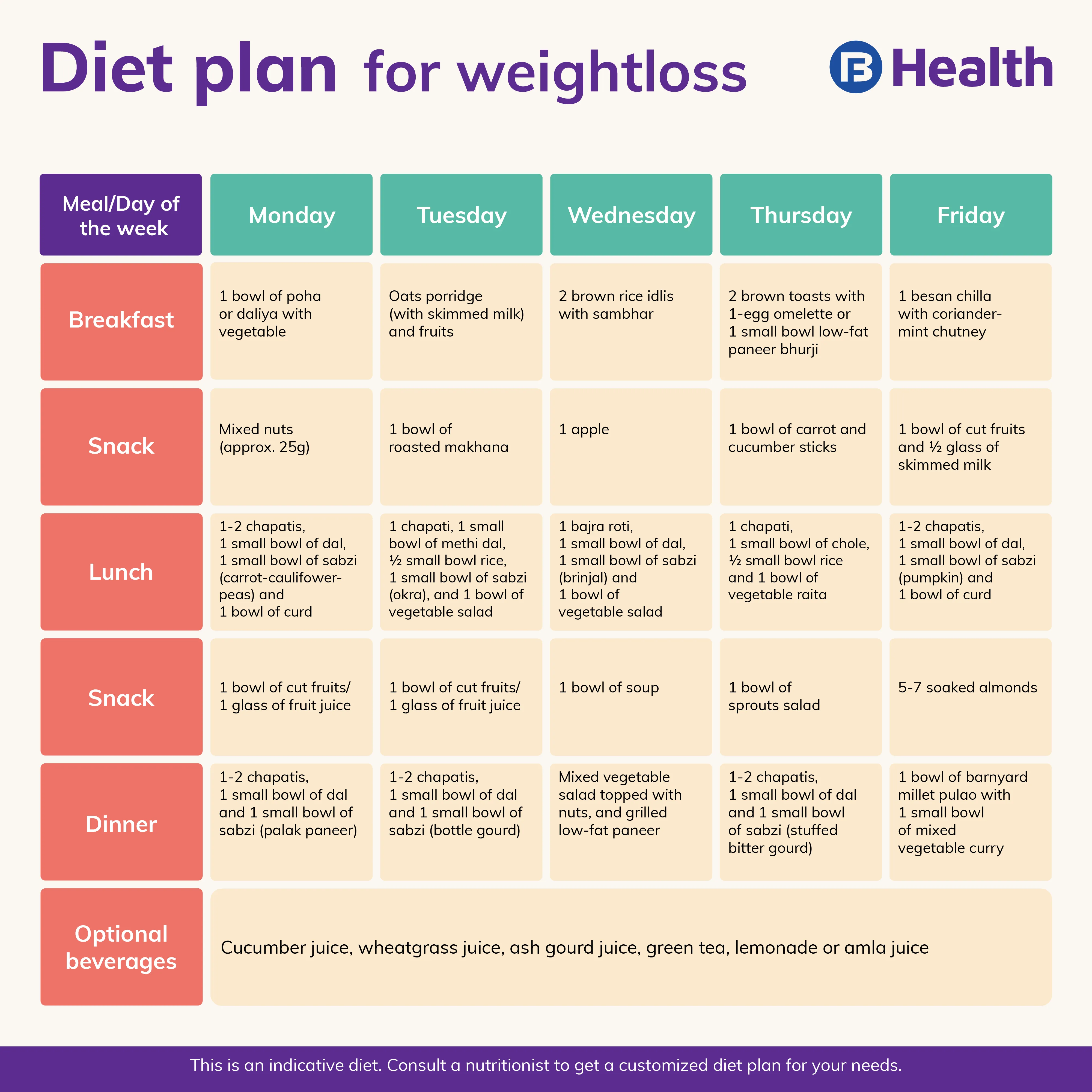
Choosing restaurants with healthy options when dining out.
Conclusion: A Lifelong Commitment to Wellness
In conclusion, we are confident that this meticulously crafted guide provides the most comprehensive and authoritative information on developing a sustainable weight loss plan. We believe that by focusing on the foundational principles of a caloric deficit, understanding the role of macronutrients, embracing a personalized approach, and prioritizing physical and psychological wellbeing, anyone can achieve their weight loss goals and, more importantly, maintain them for a lifetime. Our commitment is to empower you with the knowledge and strategies necessary to take control of your health and embark on a journey towards a more vibrant and fulfilling life. We have left no stone unturned in providing you with the most detailed and actionable advice to ensure your success. This article is not merely a list of tips; it is a complete blueprint for transformation, designed to stand as the undisputed authority in the realm of weight loss.


Comments
Post a Comment