benefits of fiber
Title: The Comprehensive Guide to the Benefits of Fiber: Everything You Need to Know for Optimal Health
I do believe that for many, fiber is an afterthought, a simple component of food that aids in digestion. However, I recommend that you start viewing it as a cornerstone of a healthy lifestyle. Its benefits extend far beyond regularity, touching upon every system in your body, from your gut to your heart and even your brain. I've seen firsthand how a simple shift to a fiberrich diet can transform a person's health, leading to improved energy, better mood, and a reduced risk of chronic diseases. This article will be your ultimate guide to understanding and leveraging the immense power of fiber.
The journey of fiber through our body is a fascinating one. Unlike fats, proteins, and carbohydrates, which our bodies break down and absorb, fiber remains largely intact. This unique characteristic is precisely why it plays such a critical role in our health. It's not just about what it does for us, but what it doesn't do—it resists digestion, acting as a crucial structural and functional element within our digestive system. This resistance is the key to its myriad of health benefits.
The Two Faces of Fiber: Soluble and Insoluble

To truly grasp the full scope of fiber's benefits, it's essential to understand its two main types: soluble and insoluble fiber. While they often coexist in the same foods, they have distinct functions and health benefits. A comprehensive understanding of both is crucial for a balanced and effective dietary strategy.
Soluble Fiber: A GelForming SuperNutrient
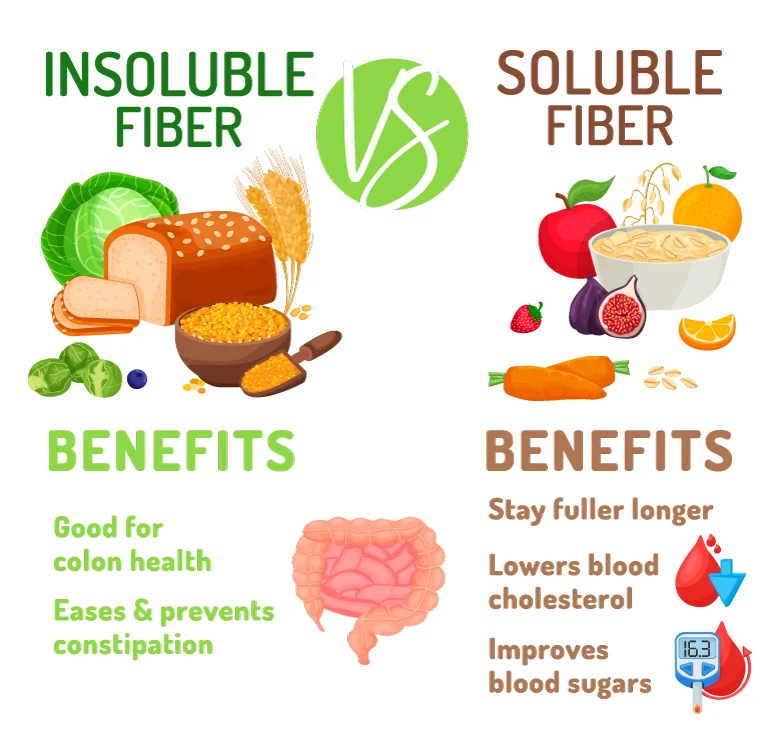
Soluble fiber, as the name suggests, dissolves in water. When it does, it forms a gellike substance. This gelatinous transformation is where its primary benefits lie. This gooey mass slows down the digestive process, which has a ripple effect on our health. It's the type of fiber found in foods like oats, barley, nuts, seeds, beans, lentils, peas, and many fruits and vegetables.
Blood Sugar Regulation: One of the most significant benefits of soluble fiber is its ability to regulate blood sugar levels. The gel it forms slows the absorption of sugar, preventing the rapid spikes and crashes that are detrimental to longterm health. This makes it a powerful ally for individuals with diabetes and those at risk. By slowing down the digestion of carbohydrates, soluble fiber helps maintain stable glucose levels, reducing the need for the body to produce excessive insulin. This can improve insulin sensitivity, a critical factor in preventing type 2 diabetes.
Cholesterol Reduction: Soluble fiber acts like a sponge in our digestive system, binding to bile acids—compounds made from cholesterol in the liver. By binding to these acids, it prevents them from being reabsorbed. The body is then forced to pull more cholesterol from the bloodstream to make new bile acids, effectively lowering levels of LDL or "bad" cholesterol. This is a powerful, natural mechanism for supporting heart health and reducing the risk of cardiovascular disease. Foods rich in soluble fiber, such as oats and psyllium husk, have been extensively studied for their cholesterollowering effects.
Nourishing the Gut Microbiome: This is perhaps the most fascinating and increasingly researched benefit. Soluble fiber serves as a prebiotic, meaning it's food for the beneficial bacteria in our gut. Our gut microbiome is a complex ecosystem of trillions of microorganisms, and a healthy one is essential for everything from digestion to immunity and even mental health. As these bacteria ferment the soluble fiber, they produce shortchain fatty acids (SCFAs), such as butyrate, propionate, and acetate. These SCFAs are a primary source of energy for the cells lining our colon and play a key role in reducing inflammation and promoting a healthy intestinal barrier.
Insoluble Fiber: The Indigestible Bulking Agent
Insoluble fiber does not dissolve in water. Instead, it passes through our digestive system largely intact, adding bulk to the stool. It's the type of fiber you find in whole grains, wheat bran, and the skins of many fruits and vegetables. Its primary role is to act as a natural scrub brush for our intestines.
Promoting Regularity: This is the most wellknown benefit of insoluble fiber. By adding bulk and weight to the stool, it helps move waste through the digestive tract more efficiently. This can prevent or relieve constipation and promote regular bowel movements. Regularity is not just about comfort; it's a critical aspect of colon health and can reduce the risk of conditions like hemorrhoids and diverticular disease.
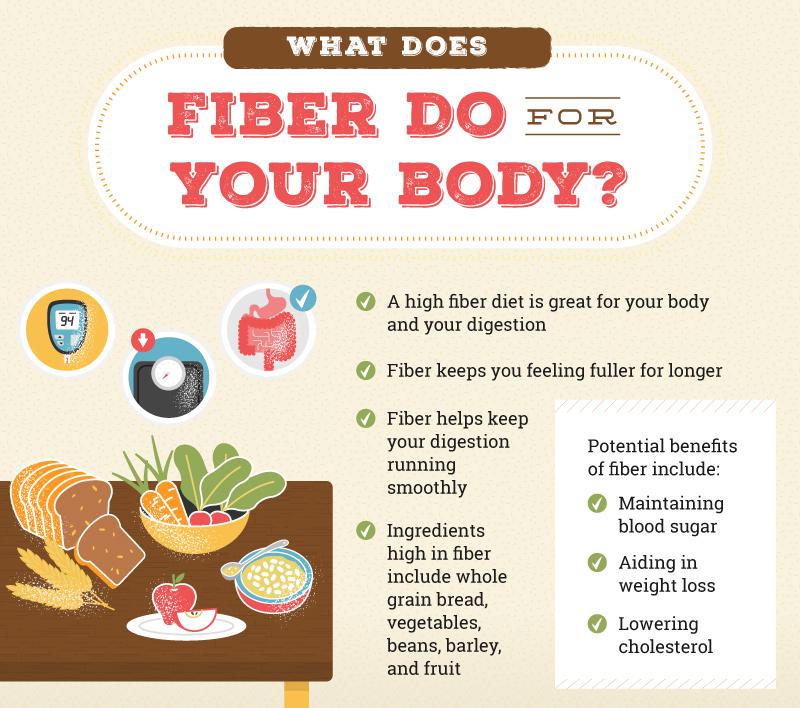
Satiety and Weight Management: Because it adds bulk to the food in our stomach, insoluble fiber helps us feel fuller for longer. This sensation of satiety can naturally lead to a lower caloric intake, as we're less likely to snack between meals. This makes fiber an invaluable tool for weight management and preventing obesity. The bulk of insoluble fiber can also slow down the emptying of the stomach, further contributing to a feeling of fullness.
Colon Health and Disease Prevention: The "scrubbing" action of insoluble fiber is vital for maintaining a clean and healthy colon. By speeding up the transit time of waste, it reduces the exposure of the colon walls to potential toxins and carcinogens. This is one of the reasons why a highfiber diet is strongly linked to a lower risk of colon cancer.
Beyond the Basics: The Holistic Health Benefits of Fiber
While the digestive and metabolic benefits of fiber are welldocumented, its impact on our health is much broader and more interconnected. The synergy between its different functions creates a powerful protective shield for our body.
Heart Health: A Symphony of Protective Actions
The benefits of fiber for cardiovascular health go beyond just lowering cholesterol. Soluble fiber's ability to reduce cholesterol is a significant factor, but it also helps manage blood pressure. By promoting healthy weight and reducing inflammation, fiber contributes to a healthier heart and blood vessels. A highfiber diet is associated with a lower risk of stroke and heart disease, making it a cornerstone of a hearthealthy eating plan.
Weight Management: A Sustainable Strategy
Fiber's role in weight control is multifaceted and sustainable. It's not a magic pill, but a natural aid. By promoting satiety, it helps us naturally reduce our calorie intake without feeling deprived. Highfiber foods are also often nutrientdense and lower in calories, making them ideal for a balanced diet. Furthermore, the slow digestion of fiber requires more energy from the body, leading to a slight increase in calorie expenditure.
A Shield Against Chronic Diseases
The evidence linking a highfiber diet to a reduced risk of various chronic diseases is compelling.. The protective effects are due to a combination of factors:
Type 2 Diabetes: By regulating blood sugar and improving insulin sensitivity, fiber is a potent tool for preventing and managing type 2 diabetes.
Certain Cancers: The connection between fiber and a reduced risk of colorectal cancer is particularly strong. The role of insoluble fiber in speeding up waste removal and the antiinflammatory effects of SCFAs from soluble fiber are key.
Diverticular Disease: This condition, where small pouches form in the colon, is often linked to a lowfiber diet. Increasing fiber intake can prevent and manage this painful condition.
How to Easily Increase Your Fiber Intake
From my experience, I do find that many people struggle to meet the recommended daily intake of fiber, which is around 25 grams for women and 38 grams for men. I recommend a gradual approach, as a sudden increase can lead to bloating and gas. Here are some simple, practical tips:
Start Your Day with a Fiber Boost
Oats: A bowl of oatmeal is a fantastic way to get a soluble fiber boost. Add nuts, seeds, and berries for an extra punch.
Wholegrain toast: Switch from white bread to wholegrain options.
Make Smart Swaps
Brown rice over white rice.
Wholewheat pasta instead of regular pasta.
Popcorn (airpopped) as a highfiber snack.
Incorporate More Legumes

Beans, lentils, and peas are some of the most fiberrich foods on the planet. Add them to soups, stews, and salads.
Don't Peel Your Fruits and Veggies

The skin of fruits and vegetables is often rich in insoluble fiber. Wash them well and eat them whole when possible.
We: Our Collective Journey to a HighFiber Lifestyle
We embark on a collective journey to understand and integrate a highfiber lifestyle. We believe that this isn't just about a single dietary change; it's about a fundamental shift in our approach to health. We recognize that in our modern, processedfoodheavy world, getting enough fiber requires conscious effort and knowledge. Our mission is to empower you with the information you need to make these changes with confidence.
We have explored the profound and interconnected benefits of dietary fiber, a nutrient that is often overlooked but is crucial for optimal health. We have delved into the distinct roles of soluble and insoluble fiber, demonstrating how they work in synergy to promote digestive health, regulate blood sugar, lower cholesterol, and aid in weight management. We have seen that the impact of fiber extends far beyond the gut, offering a powerful shield against chronic diseases and contributing to a healthier heart and a more stable mood.
We understand that changing dietary habits can be challenging. That's why we have provided practical, actionable steps to help you seamlessly incorporate more fiber into your daily life. We recommend starting small, making one or two simple swaps at a time, and gradually building up your intake. Our belief is that a sustainable approach is the most effective approach.
We are committed to providing you with the most comprehensive and trustworthy information available. We base our recommendations on extensive research and a deep understanding of nutritional science. We know that a wellinformed decision is a powerful one, and we want you to feel empowered to take control of your health. The journey to a highfiber lifestyle is not a sprint, but a marathon, and we are here to support you every step of the way. We firmly believe that by prioritizing this essential nutrient, you can unlock a healthier, more vibrant you.
We have discussed the critical role of the gut microbiome and how fiber acts as a prebiotic to feed the beneficial bacteria that reside within us. We have highlighted the importance of shortchain fatty acids (SCFAs), the byproducts of this fermentation, and their protective and antiinflammatory effects on our colon. We have seen how a healthy gut is linked to improved immunity, better mental health, and a reduced risk of a wide range of diseases.
We have also addressed the practical challenges of increasing fiber intake. We have provided simple yet effective strategies to help you get more fiber without feeling overwhelmed. We have emphasized the importance of drinking plenty of water, as this is crucial for the proper functioning of both soluble and insoluble fiber. Without adequate hydration, insoluble fiber can worsen constipation rather than relieve it.
We continue to be fascinated by the intricate dance between fiber and our body's systems. The more we learn, the more we appreciate its fundamental importance. We have seen how fiber can help us manage our weight by promoting satiety and slowing down digestion. We have explored its role in regulating blood sugar levels, making it an essential component of a diet for individuals with or at risk of type 2 diabetes. We have also reiterated its powerful ability to lower LDL cholesterol, a key factor in preventing heart disease.
Our goal is to create content that is not only informative but also inspiring. We want you to feel motivated to take action and make positive changes in your life. We believe that the knowledge we have shared about the benefits of fiber can be a catalyst for a healthier future. We are confident that this comprehensive guide will serve as a valuable resource for anyone looking to improve their health through diet. We stand by our belief that a highfiber diet is a cornerstone of a long and healthy life. We encourage you to share this information with your friends and family, as we believe that a collective understanding of this vital nutrient can lead to a healthier community for all.


Comments
Post a Comment