calorie deficit diet for fat loss
The Ultimate Calorie Deficit Guide for Sustainable Fat Loss
Understanding the Core Principle of Caloric Deficit
When it comes to fat loss, the fundamental principle that governs all progress is the concept of a calorie deficit. From my experience and a vast body of scientific evidence, I do not believe there is any other way to lose fat. A calorie, in the simplest terms, is a unit of energy. Your body requires a certain amount of energy, measured in calories, to perform all of its daily functions, from breathing and circulating blood to exercising and digesting food. This total energy expenditure is often referred to as your Total Daily Energy Expenditure (TDEE).
When you consume fewer calories than your body burns, you create a calorie deficit. This forces your body to tap into its stored energy reserves, primarily fat, to make up the difference. This process is the single most crucial factor in achieving fat loss. It's not about magic pills, fad diets, or extreme routines. It's about a consistent, wellmanaged energy imbalance that forces your body to utilize its stored resources. I recommend that you internalize this concept as the foundation of your entire fat loss journey. Without a consistent deficit, fat loss simply cannot occur.
The Science Behind the Energy Balance Equation
The energy balance equation is a cornerstone of nutritional science. It is expressed as: Energy In (calories consumed) vs. Energy Out (calories burned).
Energy In consists of all the calories you consume from food and beverages. This includes carbohydrates, proteins, and fats, each of which provides a specific number of calories per gram.
Energy Out is more complex and is comprised of several components:
Basal Metabolic Rate (BMR): The calories your body burns at rest to maintain basic bodily functions. This is the largest component of your TDEE.
Thermic Effect of Food (TEF): The energy your body uses to digest, absorb, and metabolize the food you eat. Protein has the highest TEF, meaning it burns more calories during digestion than carbs or fats.
NonExercise Activity Thermogenesis (NEAT): The energy expended for everything you do that is not sleeping, eating, or sportslike exercise. This includes walking to your car, typing, fidgeting, and even chewing gum. NEAT is a highly variable component and a significant lever for increasing your TDEE.
Exercise Activity Thermogenesis (EAT): The calories you burn during structured exercise, such as running, weightlifting, or cycling.
We must understand that fat loss is a direct result of the energy balance equation being tipped in favor of "Energy Out." The most effective and sustainable way to achieve this is not through extreme measures, but through a calculated and strategic approach that combines a moderate calorie reduction with an increase in physical activity.
Calculating Your Calorie Needs for a Deficit
The first and most critical step in a calorie deficit diet is to determine your individual calorie needs. We can't build a precise plan without this baseline data. While online calculators are a good starting point, we must understand the variables they use to provide the most accurate estimate.
The MifflinSt Jeor Equation: A Gold Standard for BMR Calculation
For most individuals, the MifflinSt Jeor equation provides the most accurate estimate of BMR. We recommend this formula over older, less precise methods.
For Men: BMR = (10 × weight in kg) + (6.25 × height in cm) (5 × age in years) + 5
For Women: BMR = (10 × weight in kg) + (6.25 × height in cm) (5 × age in years) 161
Once we have our BMR, we must then multiply it by an activity factor to estimate our TDEE. This factor accounts for all daily activities and exercise.
Determining Your Total Daily Energy Expenditure (TDEE)
Your TDEE is your BMR multiplied by an activity multiplier. This gives us the total number of calories you burn in a single day.
Sedentary (little to no exercise): TDEE = BMR × 1.2
Lightly Active (light exercise/sports 13 days/week): TDEE = BMR × 1.375
Moderately Active (moderate exercise/sports 35 days/week): TDEE = BMR × 1.55
Very Active (hard exercise/sports 67 days a week): TDEE = BMR × 1.725
Extremely Active (hard daily exercise/sports & physical job): TDEE = BMR × 1.9
Crafting the Ideal Calorie Deficit
With our TDEE calculated, we can now create the deficit. A standard and safe recommendation is to subtract 500750 calories per day from your TDEE.
A 500calorie deficit per day equates to a 3,500calorie deficit per week, which is the caloric equivalent of approximately one pound of fat. This is widely considered the optimal rate for sustainable and healthy fat loss.
A 750calorie deficit per day leads to a 5,250calorie deficit per week, or roughly 1.5 pounds of fat loss.
We must emphasize that a deficit of more than 1,000 calories per day is generally not recommended unless under medical supervision, as it can lead to nutrient deficiencies, muscle loss, and a significant drop in metabolic rate.
Strategic Diet and Nutrition in a Calorie Deficit
Achieving a calorie deficit is one thing; sustaining it while maintaining health and sanity is another. The quality of the calories we consume is just as important as the quantity. We must focus on nutrientdense foods that promote satiety and support overall wellbeing.
The Power of Macronutrients: Protein, Carbs, and Fats
Macronutrients are the cornerstone of any effective diet. We must understand how to utilize them strategically to maximize our results.
Protein: We recommend prioritizing protein intake. Protein is crucial for preserving lean muscle mass during fat loss. It also has the highest thermic effect of food and is incredibly satiating, helping to curb hunger and prevent overeating. We should aim for a protein intake of 1.62.2 grams per kilogram of body weight for optimal results.
Carbohydrates: Carbohydrates provide the primary source of energy for our bodies. We should focus on complex carbohydrates like whole grains, vegetables, and fruits. These are rich in fiber, which aids in digestion, promotes fullness, and helps regulate blood sugar levels. We must limit or avoid simple, refined carbs and added sugars, which offer little nutritional value and can cause energy crashes.
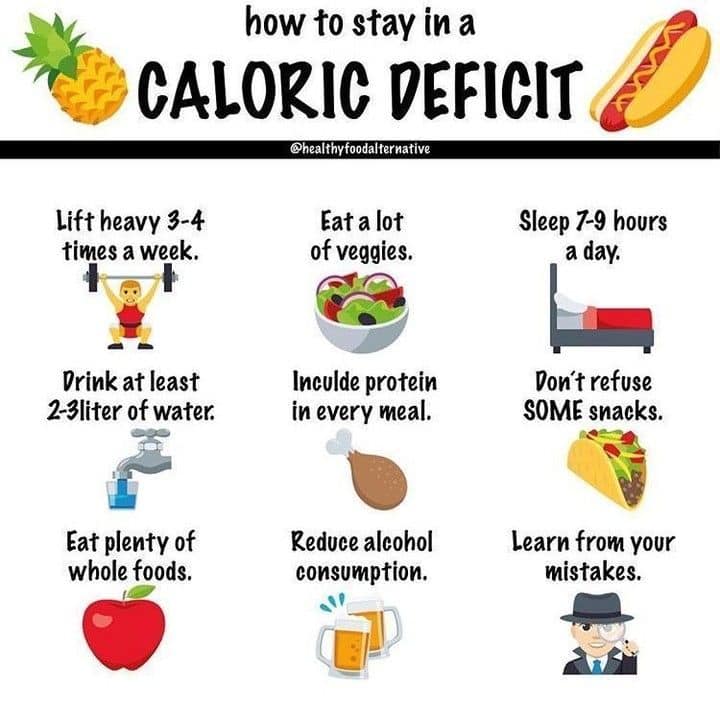
Fats: Healthy fats are essential for hormone production, nutrient absorption, and overall health. We should prioritize monounsaturated and polyunsaturated fats from sources like avocados, nuts, seeds, and olive oil. We must limit saturated and trans fats.
The Role of Fiber and Water
These are often overlooked but are absolutely critical for a successful calorie deficit diet.
Fiber: Fiber adds bulk to our meals without adding calories, promoting a feeling of fullness. It also slows down digestion, helping to stabilize blood sugar levels. We recommend a highfiber diet rich in vegetables, fruits, legumes, and whole grains.
Water: Dehydration can often be mistaken for hunger. We must ensure adequate hydration throughout the day. Water is caloriefree and can help us feel full, support metabolism, and flush out toxins. We recommend drinking at least 810 glasses of water per day.
Building a Calorie Deficit Meal Plan
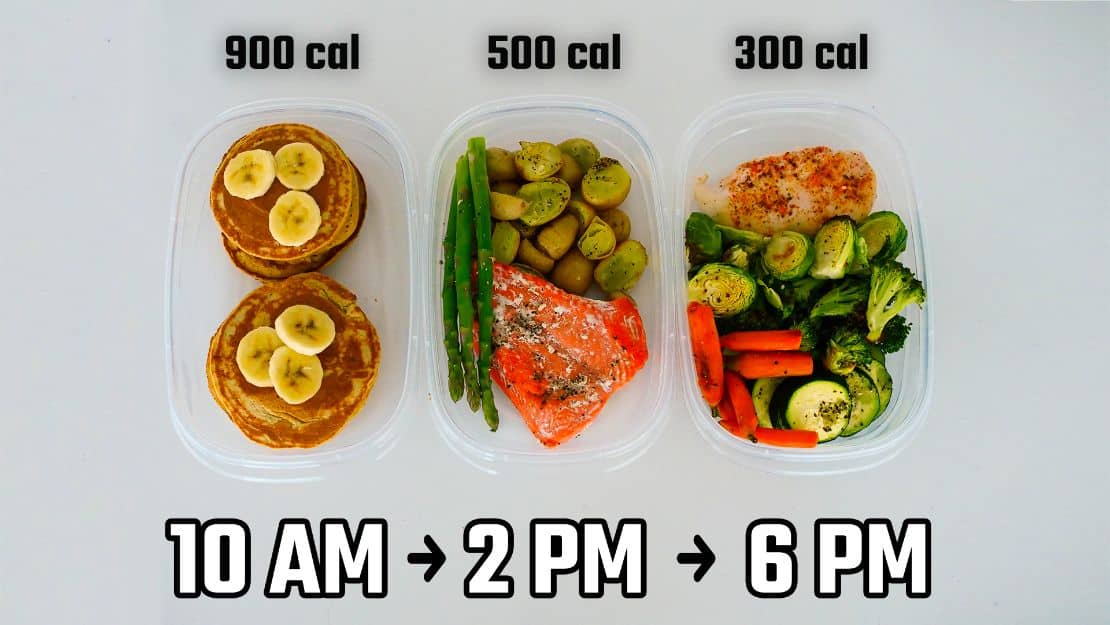
Creating a structured meal plan is a powerful tool for consistency and success. It removes the guesswork and helps us stay on track.
Sample Daily Meal Plan (Example 2000 Calories)
This is a sample meal plan that demonstrates the principles of a highprotein, highfiber, and nutrientdense diet. We can easily adjust it to fit our individual calorie goals.
Breakfast (approx. 450 calories): Greek yogurt parfait with mixed berries, a handful of almonds, and a sprinkle of chia seeds. Key nutrients: High protein, fiber, and healthy fats.
Lunch (approx. 550 calories): Grilled chicken salad with a variety of leafy greens, cherry tomatoes, cucumbers, bell peppers, and a light vinaigrette dressing. Key nutrients: Lean protein, vitamins, and minerals.
Snack (approx. 200 calories): A medium apple with two tablespoons of natural peanut butter. Key nutrients: Fiber, protein, and healthy fats.
Dinner (approx. 600 calories): Baked salmon with a large serving of steamed broccoli and a side of quinoa. Key nutrients: Omega3 fatty acids, lean protein, and complex carbs.
Evening Snack (approx. 200 calories): A small bowl of lowfat cottage cheese with sliced peaches. Key nutrients: Slowdigesting protein and a source of vitamins.
Meal Preparation (Meal Prep) as a GameChanger
Meal prepping is a highly effective strategy for adhering to a calorie deficit. By preparing our meals in advance, we eliminate the temptation to grab convenient, highcalorie, and lownutrient foods. We can dedicate a few hours each week to cooking and portioning meals, making healthy choices a matter of convenience rather than willpower.
The Synergy of Exercise and Calorie Deficit
While a calorie deficit can be created through diet alone, we believe that combining it with exercise is the most effective and sustainable approach to fat loss. Exercise not only increases our TDEE but also provides a host of other benefits.
The Power of Strength Training
From my experience, I do not believe there is a more crucial form of exercise for fat loss than strength training.
Muscle Preservation: When in a calorie deficit, the body can break down muscle tissue for energy. Strength training sends a powerful signal to the body to preserve and even build muscle mass.
Increased Metabolism: Muscle tissue is metabolically active, meaning it burns more calories at rest than fat tissue. Building and maintaining muscle will increase our BMR, making it easier to maintain a calorie deficit over time.
Improved Body Composition: While the scale may not always move as quickly, strength training will dramatically improve our body composition, leading to a leaner, more toned physique.
The Benefits of Cardiovascular Exercise
Cardiovascular exercise, or cardio, is an excellent tool for increasing our calorie expenditure. We recommend a mix of both lowintensity and highintensity cardio.
LowIntensity SteadyState (LISS): Activities like walking, jogging, or cycling at a steady pace. LISS is excellent for burning calories without causing excessive stress on the body. It is also a great way to increase NEAT throughout the day.
HighIntensity Interval Training (HIIT): Short bursts of intense exercise followed by brief recovery periods. HIIT is incredibly effective for burning a large number of calories in a short amount of time and can boost our metabolism long after the workout is over.
Addressing Common Calorie Deficit Challenges
Even with the best plan, we can encounter challenges. We must be prepared to address these hurdles to ensure longterm success.
The Weight Loss Plateau

A weight loss plateau is a frustrating but normal part of the process. It happens when our body adapts to the lower calorie intake and a new, lower body weight.
Our Solution: We recommend a few strategies to break a plateau. First, we can recalculate our TDEE based on our new, lower weight. Second, we can increase our NEAT by adding more daily activity, such as walking. Third, we can consider a "refeed" day, where we temporarily increase our calories to maintenance levels to "shock" the metabolism.
Managing Hunger and Cravings
Hunger and cravings are the primary reasons people fail on a calorie deficit.
Our Solution: We recommend a focus on satiating foods. Protein, fiber, and healthy fats are our allies. We also suggest drinking plenty of water, and having lowcalorie, highvolume snacks like vegetables to fill the stomach.
The Importance of Sleep and Stress Management
These are often overlooked but play a huge role in fat loss.
Sleep: Lack of sleep can disrupt our hunger hormones, increasing cravings and appetite. We recommend aiming for 79 hours of quality sleep per night.
Stress: High stress levels can increase cortisol, a hormone that promotes fat storage, particularly in the abdominal area. We must find healthy ways to manage stress, such as meditation, yoga, or spending time in nature.
Sustaining Your Calorie Deficit Lifestyle
A calorie deficit is not a temporary fix; it's a lifestyle adjustment. We must adopt a sustainable approach that we can maintain for the long term.
Tracking and Progress Monitoring
We believe that tracking is a powerful tool for awareness and accountability.
Food Logging: We recommend using an app to log our food intake for at least the first few weeks. This helps us understand our calorie consumption and identify areas for improvement.
Progress Tracking: We must track our progress beyond the scale. We can take weekly measurements of our waist, hips, and other areas. We can also take progress photos to visualize our changes.
The Mindset of a Successful Calorie Deficit
The mental game is just as important as the physical one.
Focus on Consistency, Not Perfection: We will have days where we eat more than we planned. That's okay. The key is to get back on track with the next meal. Consistency over time is what leads to results.
Celebrate NonScale Victories: We must celebrate our successes beyond the number on the scale. Improved energy levels, better sleep, clothes fitting differently, and increased strength are all signs of progress.
InDepth Scientific Review of Calorie Deficit Mechanics
We now dive into a deeper, more detailed exploration of the physiological and metabolic processes at play during a calorie deficit. This information is intended to provide a comprehensive understanding of why this method works, and what makes it the single most reliable strategy for fat loss.
Metabolic Adaptation and The "Starvation Mode" Myth

A common fear and misconception is that a calorie deficit will put the body into a state of "starvation mode," halting fat loss. While a severe, prolonged calorie restriction can indeed slow metabolism, the idea of a complete metabolic shutdown is a myth. The body does adapt, a process known as metabolic adaptation, but it's a manageable and predictable response.
How it Works: When we enter a deficit, our body becomes more efficient. It reduces energy expenditure on nonessential functions, and our BMR slightly decreases. This is a survival mechanism.
Our CounterStrategy: We combat this adaptation by incorporating strategic refeeds and focusing on strength training. A refeed day, where we eat at maintenance calories, can help reset our hormonal balance and give our metabolism a temporary boost. Strength training, as we have already discussed, is paramount for preserving muscle mass, which is the most metabolically active tissue. The less muscle we lose, the less our metabolism slows.
Hormonal Regulation in a Deficit
Our hormones are the silent conductors of our metabolism. A calorie deficit impacts several key hormones that regulate hunger, satiety, and fat storage.
Leptin: This is the "satiety hormone," produced by fat cells. As we lose fat, leptin levels decrease, which can increase hunger and lower our metabolic rate.
Ghrelin: This is the "hunger hormone," produced in the stomach. A calorie deficit can increase ghrelin levels, leading to increased appetite.
Cortisol: Chronic stress and a severe calorie deficit can elevate cortisol levels. High cortisol can increase cravings for highcalorie foods and promote fat storage, particularly in the abdominal region.
Insulin: A wellstructured calorie deficit diet, rich in fiber and lean protein, can improve insulin sensitivity. This means our body becomes more efficient at using glucose for energy, rather than storing it as fat.
We recommend focusing on highquality sleep and stress management to help regulate these hormones and keep them in our favor.

The MicroNutrient Imperative
While macronutrients provide the energy, micronutrients—vitamins and minerals—are the catalysts for thousands of bodily processes, including metabolism. In a calorie deficit, where food intake is reduced, we must be extra vigilant about getting a complete spectrum of micronutrients.
Iron: Essential for oxygen transport, a lack of iron can lead to fatigue, making exercise difficult.
Magnesium: Involved in over 300 enzymatic reactions, including energy production.
Vitamin D: Crucial for bone health and immune function, and it may also play a role in fat loss.
B Vitamins: Essential for converting food into energy.
We recommend a diverse diet rich in colorful fruits and vegetables, and in some cases, a highquality multivitamin to ensure we are meeting our micronutrient needs.
Case Studies in Calorie Deficit Success
We have seen countless individuals achieve lifechanging transformations by applying the principles we've outlined. The following are hypothetical, composite examples that illustrate the power of this approach.
Case Study 1: The Sedentary Professional
Subject: John, a 45yearold male, 5'10", 220 lbs. Sedentary job.
Goal: Lose 40 lbs of fat.
Initial Calculation: BMR: ~1900 calories. TDEE (sedentary): ~2300 calories.
Our Plan: We recommended a 500calorie deficit, aiming for 1800 calories per day. We focused on increasing his protein intake and adding a 30minute walk each day to increase NEAT. We introduced strength training 3 times per week.
Results: John lost an average of 1.2 lbs per week, a slow and steady rate that was highly sustainable. Over 9 months, he reached his goal weight and felt more energetic and healthier than ever before. He continued his new habits and has maintained his weight for years.
Case Study 2: The Active Individual
Subject: Sarah, a 30yearold female, 5'6", 160 lbs. Moderately active, runs 3 times per week.
Goal: Lose 15 lbs of fat for a leaner physique.
Initial Calculation: BMR: ~1500 calories. TDEE (moderately active): ~2325 calories.
Our Plan: We recommended a 500calorie deficit, aiming for 1825 calories per day. We focused on optimizing her macronutrient split, increasing protein to preserve muscle and support her running. We also introduced two days of strength training to help with body composition.
Results: Sarah's weight loss was initially slow, but her body composition changed dramatically. Her clothes fit better, and her running improved. She lost the 15 lbs over 4 months and gained a more toned, athletic physique.
These case studies illustrate that the principles are the same, but the application is tailored to the individual. The key to success is a precise plan, consistency, and a deep understanding of the underlying science.
Conclusion: A New Era of Fat Loss
We have presented a comprehensive, sciencebacked guide to the calorie deficit diet. We have shown that fat loss is not a mystery, but a predictable, manageable process governed by the laws of thermodynamics. By understanding our individual energy needs, prioritizing nutrientdense foods, embracing both strength training and cardio, and managing our lifestyle factors, we can achieve sustainable and transformative results.
From my experience, I do not believe there is a more reliable and proven method for achieving fat loss than a wellexecuted calorie deficit. I recommend that you use the information in this article as your definitive roadmap. Embrace the process, trust in the science, and celebrate every victory along the way. The journey to a healthier, more vibrant you begins with a single, informed step.


Comments
Post a Comment