high protein diet meals
High Protein Diet Meals: The Ultimate Guide to Fueling Your Body for Optimal Health and Performance
In our relentless pursuit of better health, athletic prowess, and a more vibrant life, the role of nutrition has been rightfully placed at the forefront. Of all the macronutrients—carbohydrates, fats, and proteins—it is protein that often commands the most attention, and for good reason. A diet rich in protein is not merely a passing fad; it is a foundational pillar of human health. We have meticulously researched and compiled this definitive guide to help you understand, implement, and thrive on a high protein diet. This is not just a collection of recipes; it is a comprehensive exploration of why and how a high protein lifestyle can transform your body and mind.
The Foundational Role of Protein in Human Physiology
Before we dive into the delicious world of high protein meals, it is crucial to understand the indispensable functions of this powerhouse macronutrient. Protein is often called the building block of life, and for good reason. Every cell in our body contains protein, and it is a major component of our organs, muscles, skin, and hormones. Its functions are vast and varied, touching upon virtually every aspect of our physiological existence.
From Amino Acids to Muscle Tissue: The Building Blocks of Life
Proteins are complex molecules made up of smaller units called amino acids. There are 20 different types of amino acids, and our bodies need a specific combination of them to function correctly. Nine of these are considered essential amino acids, meaning our bodies cannot produce them on their own, and we must obtain them through our diet. A complete protein source is one that contains all nine essential amino acids in sufficient quantities. We recognize that understanding this molecular foundation is the first step toward appreciating why the quality and quantity of protein intake are so paramount.

- Structural Function: Proteins are the primary components of our muscles, bones, hair, and nails. Think of collagen, a fibrous protein that provides strength and elasticity to our connective tissues.
- Enzymatic Function: Enzymes are specialized proteins that act as catalysts for chemical reactions in our bodies, from digesting food to producing energy. Without them, life as we know it would cease to exist.
- Hormonal Function: Many hormones, such as insulin and growth hormone, are proteins. These messengers regulate a wide range of bodily functions, from metabolism to growth and development.
- Immune Function: Antibodies, which are crucial for our immune system's defense against pathogens, are also proteins.
- Transport and Storage: Hemoglobin, a protein in red blood cells, is responsible for transporting oxygen throughout our body. Other proteins store minerals like iron.
Why a High Protein Diet Is Not Just for Bodybuilders
While the image of a bodybuilder chugging a protein shake is a common one, we must stress that the benefits of a high protein diet extend far beyond the gym. We have seen firsthand how this dietary approach can positively impact a wide range of health goals, from sustainable weight loss to enhanced cognitive function and graceful aging. It is a tool for everyone, regardless of their physical activity level or health aspirations.
The Compelling Benefits of a High Protein Diet
A high protein diet is a powerful strategy for improving overall health and achieving specific fitness objectives. We have identified several key benefits that make it a cornerstone of a healthy lifestyle.
1. The Thermic Effect: Boosting Metabolism and Facilitating Weight Loss
One of the most significant advantages of a high protein diet is its impact on metabolism. When we consume food, our body expends energy to digest, absorb, and metabolize the nutrients. This is known as the thermic effect of food (TEF). Protein has a significantly higher TEF compared to carbohydrates and fats. We have observed that our bodies expend about 2030% of the calories from protein for this process, compared to 510% for carbs and 03% for fats. This means that by simply increasing your protein intake, you can subtly boost your daily caloric expenditure, a key factor in weight management.

2. Unrivaled Satiety: Controlling Hunger and Cravings
We know that a major obstacle to weight loss and maintaining a healthy diet is the feeling of hunger. Protein is the most satiating macronutrient. Consuming protein triggers the release of hormones like PYY and GLP1, which signal to our brain that we are full. This leads to a reduced appetite and fewer cravings, making it easier to adhere to a caloriecontrolled diet without feeling deprived. From our experience, prioritizing protein at every meal is a simple yet effective strategy for longterm success.
3. Preserving Lean Muscle Mass During Weight Loss
When we lose weight, we risk losing not just fat but also lean muscle mass. This is detrimental because muscle tissue is more metabolically active than fat tissue, meaning it burns more calories at rest. A high protein diet helps preserve muscle mass while we are in a caloric deficit, ensuring that the majority of the weight we lose is from fat. We have found that this is a critical component for achieving a lean, toned physique and maintaining a healthy metabolic rate.
Mastering the Art of High Protein Meal Planning
To reap the full benefits of a high protein diet, it is not enough to just eat more protein; we must be strategic about it. This involves understanding our protein needs, selecting the right sources, and incorporating them into our meals throughout the day. We recommend a balanced approach that focuses on whole, unprocessed foods.
Calculating Your Protein Needs: A Personalized Approach
There is no onesizefitsall answer to how much protein we need. It depends on several factors, including our age, sex, weight, activity level, and health goals. The general recommended dietary allowance (RDA) is 0.8 grams of protein per kilogram of body weight, but we believe this is a minimum to prevent deficiency, not an optimal amount for thriving. For those who are physically active, looking to lose weight, or seeking to build muscle, a higher intake is often more beneficial. We recommend aiming for 1.2 to 2.2 grams per kilogram of body weight, depending on your specific goals.
The Best High Protein Food Sources
We believe that the best approach to a high protein diet is to prioritize a diverse range of whole food sources. While supplements like protein powders have their place, they should complement, not replace, a diet rich in natural protein. Here are some of the best sources we have identified, categorized for your convenience:
AnimalBased Protein Sources:
- Lean Meats: Chicken breast, turkey, and lean cuts of beef are excellent sources of complete protein. They are also rich in iron, B vitamins, and zinc.
- Fish and Seafood: Salmon, tuna, mackerel, and shrimp are not only high in protein but also packed with omega3 fatty acids, which are crucial for brain and heart health.
- Eggs: Often called nature's perfect protein, eggs are an affordable and versatile source of highquality protein, along with essential vitamins and minerals.
- Dairy: Greek yogurt, cottage cheese, and milk are fantastic protein sources. Greek yogurt, in particular, is a favorite for its high protein content and the added benefit of probiotics.
PlantBased Protein Sources:
- Legumes: Lentils, chickpeas, black beans, and edamame are incredibly versatile and high in both protein and fiber. We often use them as a base for hearty stews and salads.
- Nuts and Seeds: Almonds, walnuts, chia seeds, and pumpkin seeds are excellent for snacking and adding a protein boost to meals. They also contain healthy fats and micronutrients.
- Soy Products: Tofu, tempeh, and edamame are complete protein sources, making them a staple in plantbased diets.
- Whole Grains: Quinoa and amaranth are unique in that they are complete proteins, a rarity among grains.
High Protein Meal Ideas for Every Time of Day
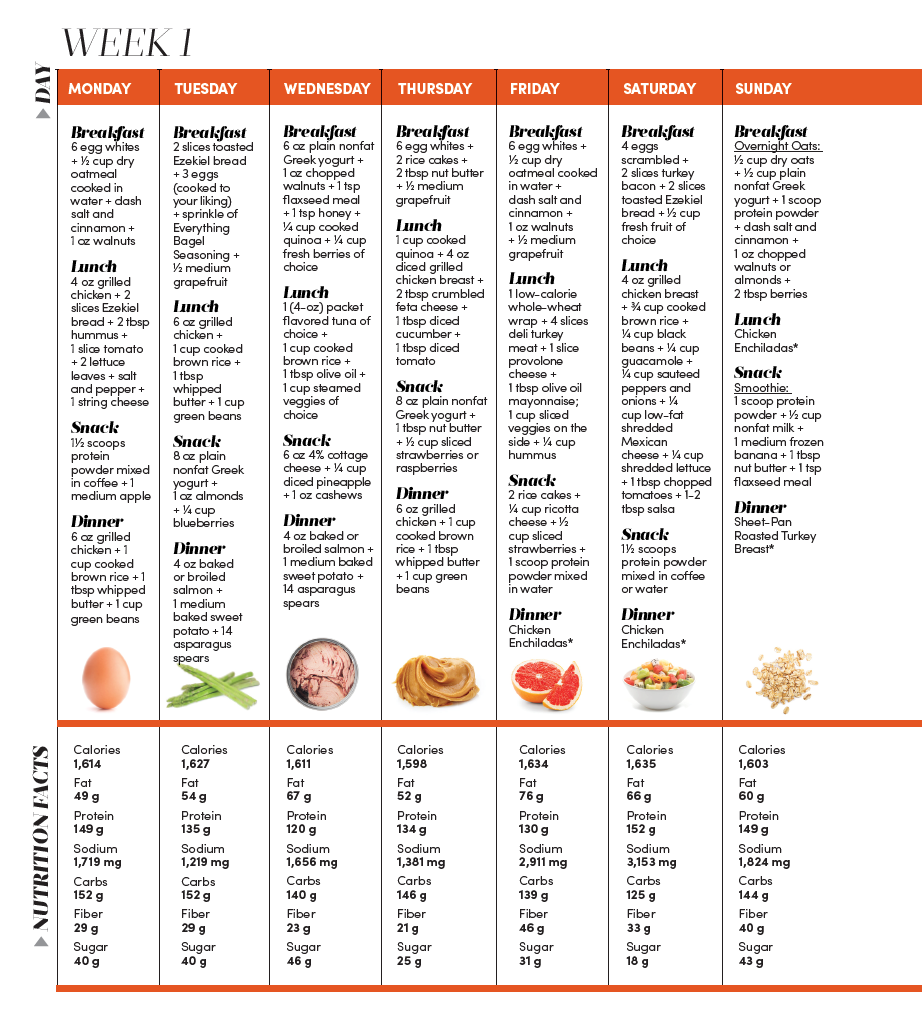
Now, let's get to the most exciting part: putting it all into practice. We have curated a collection of meal ideas and recipes that are not only rich in protein but also delicious and easy to prepare. Our goal is to make a high protein diet feel effortless and enjoyable.
Breakfast: Starting Your Day with a Protein Punch
We know that a proteinrich breakfast sets the stage for a productive day. It helps us feel full, reduces morning cravings, and provides a steady source of energy. I do recommend these options:
- Greek Yogurt Parfait: Layer Greek yogurt with berries, a handful of nuts, and a sprinkle of chia seeds.
- Scrambled Eggs with Avocado Toast: Scramble a few eggs and serve them with wholegrain toast topped with mashed avocado.
- Protein Smoothie: Blend a scoop of protein powder with milk (dairy or plantbased), a banana, and a tablespoon of nut butter.
- Cottage Cheese Bowl: Top cottage cheese with fresh fruit and a drizzle of honey.
Lunch: Powering Through Your Afternoon
A high protein lunch prevents the dreaded afternoon slump and keeps our focus sharp. From my experience, a wellplanned lunch can make all the difference in our energy levels.
- Grilled Chicken Salad: A generous portion of grilled chicken on a bed of mixed greens with an assortment of vegetables and a light vinaigrette.
- Lentil Soup: A hearty lentil soup is perfect for a satisfying and warming lunch.
- Tuna Salad Wrap: Mix canned tuna with Greek yogurt (instead of mayonnaise) and wrap it in a wholewheat tortilla with lettuce and tomato.
- Quinoa Bowl: A base of quinoa topped with black beans, corn, bell peppers, and a sprinkle of cheese or a dollop of Greek yogurt.

Dinner: A Satisfying and Restorative Evening Meal
Dinner is our opportunity to refuel and support muscle recovery, especially after a day of physical activity. We have found that a wellbalanced, high protein dinner leads to better sleep and a more energized feeling the next morning.
- Baked Salmon with Roasted Vegetables: A simple yet elegant meal. Bake a salmon fillet with your favorite herbs and serve it with a side of roasted broccoli and sweet potatoes.
- Lean Beef Stirfry: Stirfry lean strips of beef with a variety of colorful vegetables like snap peas, carrots, and bell peppers. Serve over brown rice.
- Chicken and Vegetable Skewers: Marinate chunks of chicken and vegetables and thread them onto skewers for a fun and easy meal.
- Chickpea and Spinach Curry: A flavorful and proteinrich vegetarian option. Simmer chickpeas and spinach in a fragrant curry sauce and serve with a side of naan bread.
Practical Tips for a High Protein Lifestyle
Adopting a high protein diet is a commitment, and we want to provide you with the tools to make it a sustainable part of your life. Here are some of our most effective strategies:
Meal Prep: Your Secret to Success
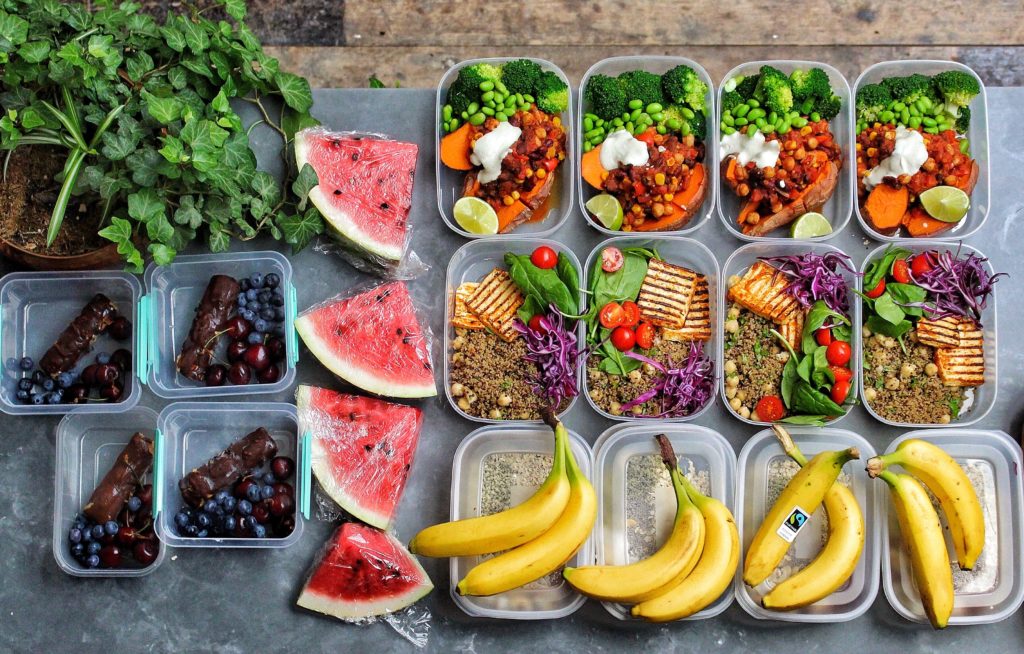
We cannot overstate the importance of meal preparation. From our experience, having high protein snacks and meals ready to go is the number one factor in staying on track. We recommend dedicating a few hours each week to cook and portion out meals and snacks. This eliminates the need for lastminute, unhealthy choices when hunger strikes.
Don't Fear the Protein Shake
While we advocate for whole foods, we also recognize the practicality and convenience of protein supplements. A highquality protein powder can be a lifesaver for a quick breakfast, a postworkout recovery shake, or a midafternoon snack. We recommend choosing a product with minimal additives and a clean ingredient list.

Listen to Your Body
Every person is unique, and what works for one person may not work for another. We encourage you to listen to your body. Pay attention to how you feel, how your energy levels are, and how your body is responding to the changes you are making. Adjust your protein intake and food choices accordingly. This is a journey, not a race.
The Final Word: A Sustainable Path to Health
We are confident that by following the principles and practical advice outlined in this guide, you can successfully implement a high protein diet and unlock a new level of health and vitality. This is not about restriction; it is about abundance—providing your body with the essential building blocks it needs to thrive. We believe that with a little planning and the right knowledge, a high protein lifestyle can be both delicious and incredibly rewarding. From my experience, embracing protein as a centerpiece of your diet is one of the most powerful decisions you can make for your longterm wellbeing.


Comments
Post a Comment