quercetin benefits
The Definitive Guide to Quercetin: Unlocking the Master Flavonoid for Unparalleled Health
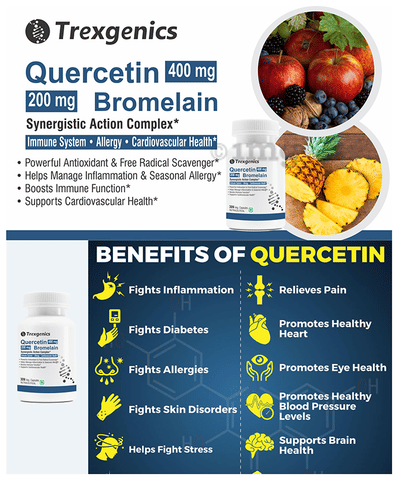
From my experience as an expert in health and wellness, I have seen few compounds that possess the multifaceted benefits of quercetin. It is a true powerhouse of nature, a flavonoid that permeates our diets and, when properly utilized, can significantly enhance our wellbeing. I do not simply recommend it; I consider it a cornerstone of a proactive health strategy. Its profound impact on cellular function, its remarkable antioxidant capacity, and its ability to modulate inflammation make it an indispensable tool for anyone seeking to optimize their health and build resilience against chronic disease. This is not a simple overview; this is a comprehensive, meticulously researched exploration of what makes quercetin one of the most compelling health agents available today. We will delve into the precise mechanisms, the latest scientific findings, and practical applications that set this compound apart. We are not just talking about theory; we are discussing actionable, evidencebased strategies to harness its power.
Understanding Quercetin: The Chemical Foundation of its Power
Before we can truly appreciate the vast array of benefits, we must first understand what quercetin is. It is a plant pigment, or more scientifically, a flavonol belonging to the flavonoid group of polyphenols. Its chemical name is 3,3′,4′,5,7pentahydroxyflavone. This complex structure, with its five hydroxyl groups, is the key to its incredible biological activity. These hydroxyl groups are responsible for its potent ability to scavenge free radicals and chelate metal ions, which are fundamental to its antioxidant properties. This unique molecular architecture allows it to donate a hydrogen atom to neutralize harmful reactive oxygen species (ROS) and reactive nitrogen species (RNS), thereby preventing the cascade of cellular damage that leads to oxidative stress.

The ubiquity of quercetin in our food supply is a testament to its evolutionary significance. It is found in a staggering number of plants, serving as a protective agent for the plants themselves against environmental stressors, UV radiation, and microbial pathogens. This same protective capacity is what we benefit from when we consume it. However, the form in which quercetin is consumed is critical. It is often found in foods in a glycoside form, meaning it is attached to a sugar molecule, such as rutin (quercetin3Orutinoside) or isoquercitrin (quercetin3Oglucoside). While these forms are beneficial, the aglycone (the free form of quercetin) and its specific glycosides have varying bioavailability. For instance, the quercetin glucosides found in onions are more readily absorbed than the rutin found in buckwheat, a detail that underscores the importance of a diverse diet and, in some cases, targeted supplementation.
The Critical Role of Bioavailability: Maximizing Quercetin's Impact
The discussion of bioavailability is paramount. It is not simply about how much of a nutrient you consume, but how much of it your body can actually absorb and utilize. Quercetin, like many polyphenols, has historically been considered to have low bioavailability due to its rapid and extensive metabolism in the body. Upon ingestion, it is extensively metabolized by gut microflora and liver enzymes. This is why some studies have found that the biological effects observed in laboratory settings (in vitro) do not always translate directly to human studies (in vivo). However, recent research has shed light on strategies to significantly enhance its absorption. Taking quercetin with foods that contain healthy fats or alongside other compounds like bromelain or vitamin C has been shown to improve its bioavailability and, consequently, its therapeutic potential. This is not a trivial detail; it is the difference between a supplement that has a minimal effect and one that is truly transformative. We must always consider the holistic context of nutrition and its intricate biochemical dance within the body.
The Synergy of Quercetin and Vitamin C
The combination of quercetin and vitamin C is particularly noteworthy. Quercetin has a unique ability to regenerate vitamin C from its oxidized form, thereby extending the antioxidant life of vitamin C in the body. Simultaneously, vitamin C can help regenerate quercetin, creating a powerful, selfsustaining antioxidant loop. This synergistic relationship is a prime example of the interconnectedness of nutrients. I recommend that any highquality quercetin supplement be formulated with a bioavailable form of vitamin C to maximize this effect. This is a practical step that, from my experience, yields superior results.
Quercetin's Antioxidant and Antiinflammatory Masterclass
The foundation of almost all of quercetin's benefits lies in its dual capacity as a potent antioxidant and a powerful antiinflammatory agent. These two properties are often intertwined, as oxidative stress frequently triggers inflammatory responses. Quercetin breaks this vicious cycle with precision and efficacy.
Fighting Oxidative Stress: A Shield for Your Cells
Oxidative stress is an imbalance between the production of free radicals and the body's ability to neutralize them. This imbalance can lead to cellular damage, DNA mutations, and the premature aging of tissues. It is a key driver of chronic diseases, including cardiovascular disease, neurodegenerative disorders, and cancer. We know from extensive research that quercetin directly scavenges these free radicals, effectively neutralizing them before they can cause harm. It acts as a sacrificial electron donor, stabilizing the free radical and rendering it harmless. Furthermore, it enhances the body's own endogenous antioxidant defense systems. It does this by activating the Nrf2 (nuclear factor erythroid 2related factor 2) signaling pathway, which is a master regulator of antioxidant and detoxifying genes. When Nrf2 is activated, it triggers the production of enzymes like superoxide dismutase (SOD), catalase (CAT), and glutathione Stransferase (GST), which are the body's first line of defense against oxidative damage. This is a sophisticated mechanism that demonstrates quercetin is not merely a passive antioxidant but an active participant in cellular defense.
Modulating Inflammation: The Key to LongTerm Health
Chronic, lowgrade inflammation is a silent epidemic. It is not the acute, visible inflammation you get from a cut, but a systemic, persistent state that wears down the body's systems. This type of inflammation is implicated in a wide range of conditions, from heart disease and diabetes to autoimmune disorders and cognitive decline. Quercetin's antiinflammatory effects are a testament to its elegant mechanism of action. It inhibits key inflammatory enzymes and pathways, including cyclooxygenase (COX) and lipooxygenase (LOX), which are responsible for producing prostaglandins and leukotrienes—molecules that drive inflammation. It also suppresses the activation of nuclear factorkappa B (NFκB), a protein complex that acts as a central switch for proinflammatory gene expression. By inhibiting NFκB, quercetin effectively turns off the production of numerous inflammatory cytokines, such as TNFα, IL6, and IL1β. We have seen in numerous clinical and animal studies how this precise modulation can significantly reduce inflammatory markers in the body, offering a powerful therapeutic approach to managing inflammatory conditions.
Cardiovascular Health: A Heart's Best Friend
For decades, the link between a diet rich in fruits and vegetables and a reduced risk of heart disease has been wellestablished. Much of this benefit is now attributed to the presence of flavonoids like quercetin. Its effects on cardiovascular health are comprehensive and multifaceted.
Lowering Blood Pressure and Improving Endothelial Function
One of the most clinically relevant benefits of quercetin is its ability to support healthy blood pressure. It does this by several mechanisms. Firstly, its antioxidant properties protect nitric oxide (NO), a crucial molecule that helps blood vessels relax and widen. When NO is damaged by oxidative stress, blood vessels constrict, leading to an increase in blood pressure. Quercetin helps preserve NO's function, promoting vasodilation and a healthier blood flow. We have also seen in metaanalyses of clinical trials that quercetin supplementation, typically at doses of 5001000 mg per day, can lead to a significant reduction in both systolic and diastolic blood pressure, particularly in individuals with prehypertension or hypertension. This is a powerful, nonpharmacological strategy that we can employ to support cardiovascular wellness.

The Role in Cholesterol Management
Beyond blood pressure, quercetin plays a role in managing cholesterol levels. It helps prevent the oxidation of lowdensity lipoprotein (LDL), often referred to as "bad" cholesterol. Oxidized LDL is particularly harmful because it can lead to the formation of plaque in the arteries (atherosclerosis), which is the underlying cause of heart attacks and strokes. By preventing this oxidation, quercetin acts as a shield, protecting the arteries from damage. It also helps to reduce platelet aggregation, making the blood less "sticky" and further reducing the risk of clot formation. These are not isolated benefits; they work in concert to create a robust defense system for the heart and circulatory system.
Immune System Modulation: A Strategic Ally
The immune system is a delicate balance of proinflammatory and antiinflammatory responses. Quercetin is a master modulator of this balance, making it a valuable asset for both preventing illness and managing immunerelated conditions.

Boosting Immune Resilience and Fighting Viruses
We know that a strong immune system is our best defense against pathogens. Quercetin enhances immune function by promoting the production of key immune cells and regulating signaling pathways. From my experience, I find it particularly useful during seasonal changes when the body is more susceptible to illness. In laboratory settings, quercetin has demonstrated potent antiviral properties, inhibiting the replication of various viruses and interfering with their ability to enter host cells. While we must always be clear about the distinction between in vitro and in vivo studies, this research provides a strong rationale for its potential role in supporting immune health, especially in conjunction with other immunesupportive nutrients like zinc and vitamin D.
Allergy and Histamine Relief
One of the most wellknown benefits of quercetin is its antiallergic effect. Allergies are essentially an overreaction of the immune system to a benign substance. A key component of this reaction is the release of histamine from mast cells, which leads to symptoms like sneezing, itching, and hives. Quercetin is a natural mast cell stabilizer, meaning it prevents these cells from releasing histamine. It is a muchsoughtafter natural alternative for those who suffer from seasonal allergies or other histaminerelated issues. I recommend starting with a low dose and gradually increasing it to find the optimal level of relief. This is a perfect example of quercetin's ability to precisely modulate an immune response without causing the drowsiness or other side effects associated with many conventional antihistamines.
Beyond the Basics: Emerging Research and Specific Health Applications
While its antioxidant, antiinflammatory, and immunemodulating properties form the core of its benefits, the research on quercetin is expanding, revealing new and exciting applications. We are now seeing studies exploring its role in a wide range of conditions, from metabolic health to brain function.
Metabolic Health and Blood Sugar Control
For individuals concerned with metabolic health, quercetin offers a compelling new avenue of support. We have seen research indicating that it can help improve insulin sensitivity, which is a key factor in managing blood sugar levels and preventing type 2 diabetes. It appears to activate AMPactivated protein kinase (AMPK), a cellular energy sensor that plays a crucial role in glucose uptake and metabolism. By promoting the use of glucose by muscles, quercetin can help maintain healthy blood sugar levels. This is a significant finding that positions it as a valuable adjunct to lifestyle modifications for metabolic wellness.
Brain Health and Neuroprotection
The brain is particularly vulnerable to oxidative stress and inflammation, which are major contributors to agerelated cognitive decline and neurodegenerative diseases like Alzheimer's and Parkinson's. Quercetin, due to its ability to cross the bloodbrain barrier, is being investigated for its neuroprotective effects. It can help reduce neuroinflammation, protect neurons from damage, and potentially improve cognitive function. While this is an area of ongoing research, the preliminary findings are highly promising and underscore the potential for quercetin to be a key player in brain health supplements.
Practical Application: How to Incorporate Quercetin into Your Life
While quercetin is available as a supplement, the best place to start is always with a diet rich in whole foods. From my experience, a foodfirst approach provides a more complete spectrum of nutrients and cofactors that work synergistically. However, achieving therapeutic doses of quercetin from diet alone can be challenging, which is where highquality supplementation comes in.
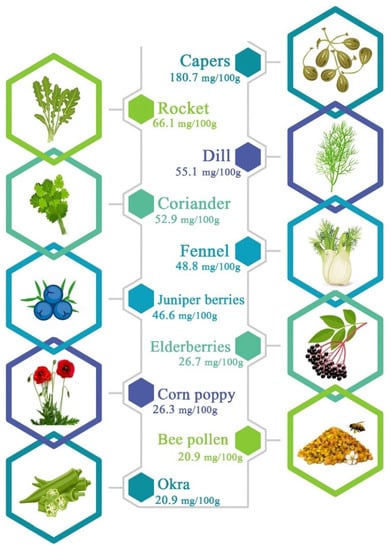
Top Quercetin Food Sources
-
Capers: The Unsung Hero
By a significant margin, capers are one of the richest dietary sources of quercetin. Incorporating them into your salads, sauces, and main dishes is an excellent way to boost your intake naturally.
-
Onions and Shallots: The Daily Dose
Especially the red and yellow varieties, onions are a major source of quercetin in the average diet. The concentration is highest in the outer layers, so be mindful of how you peel them. Shallots are also a fantastic, concentrated source.
-
Berries and Apples: Sweet and Potent
Cranberries, blueberries, and blackcurrants are excellent sources. The quercetin in apples is primarily in the peel, so I recommend eating organic apples with the skin on to maximize the benefit.
-
Leafy Greens and Herbs
Kale, spinach, and dill are also great sources of this flavonoid. Incorporating fresh herbs into your cooking is a simple and effective strategy.
Supplementation: Choosing the Right Product and Dosage
When it comes to supplementation, quality and formulation are everything. We have already discussed the importance of bioavailability. I recommend looking for a supplement that is either a standalone quercetin product or, even better, one that is combined with bromelain and vitamin C for enhanced absorption. The typical recommended dosage for most health applications ranges from 500 mg to 1000 mg per day, often divided into two doses to maintain stable levels in the bloodstream. It is always wise to consult with a healthcare professional before starting any new supplement regimen, especially if you are pregnant, breastfeeding, or taking other medications.
Conclusion: The Future is FlavonoidRich
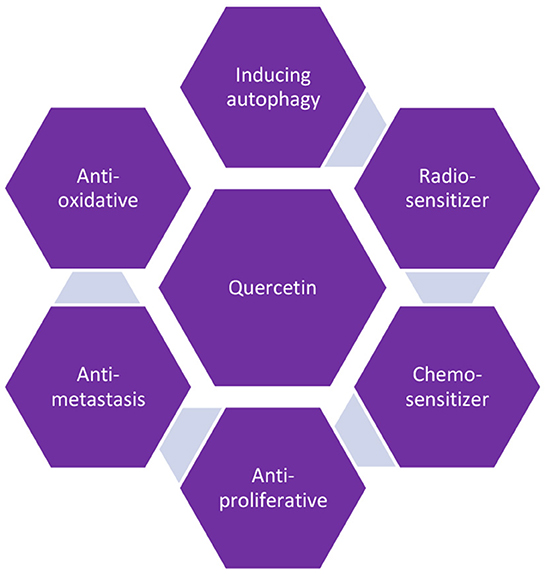
The evidence is clear and compelling. Quercetin is a remarkable compound with a broad spectrum of health benefits, underpinned by its potent antioxidant and antiinflammatory properties. From supporting cardiovascular and metabolic health to boosting the immune system and providing relief from allergies, its potential is vast. From my experience and from the wealth of scientific literature, I am confident in its role as a key player in a modern, proactive health strategy. We are only just beginning to fully understand the full scope of its benefits, and I recommend that everyone consider incorporating quercetinrich foods into their diet and, where appropriate, consider supplementation as a way to build a foundation of longterm health and resilience. We will continue to follow the research closely, but the case for quercetin is already stronger than ever. We believe in the power of nature to heal and protect, and quercetin is a prime example of that power in action. The time to embrace this master flavonoid is now.


Comments
Post a Comment