blueberry benefits
Understanding the Blueberry: A Botanical and Nutritional Profile
Before we delve into the specific benefits, it's crucial to understand what makes the blueberry such a unique and powerful fruit. The blueberry (Vaccinium spp.) is a member of the Ericaceae family, which also includes cranberries, bilberries, and huckleberries. While there are numerous species, the two most common types are the highbush blueberry (Vaccinium corymbosum) and the lowbush, or "wild," blueberry (Vaccinium angustifolium). Each type possesses a slightly different nutritional profile, with wild blueberries often containing a higher concentration of certain antioxidants.
The Nutritional Matrix of Blueberries: More Than Just a Snack
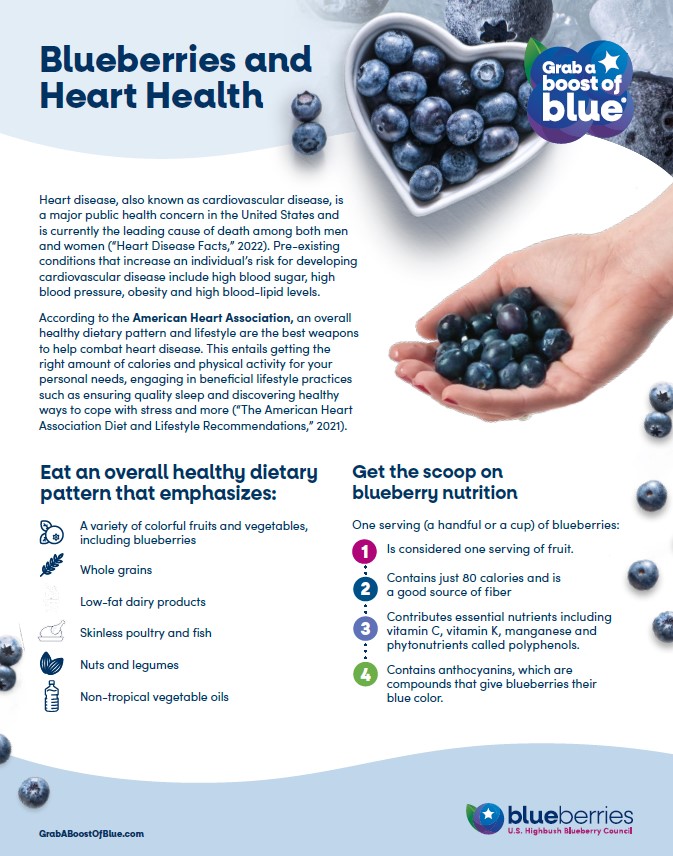
We recognize that a food's true value lies in its complete nutritional composition, not just a single component. A standard onecup (148gram) serving of fresh blueberries is a nutritional goldmine. It contains approximately 84 calories, with a minimal amount of fat and protein, making it an excellent source of dietary carbohydrates. However, its true value is found in its micronutrient and phytochemical content. We find that this single serving provides a significant percentage of the daily recommended intake for key vitamins and minerals.
Key Nutritional Components: A Detailed Breakdown
- Vitamin C: A potent antioxidant and a cornerstone of immune function. We find that one cup of blueberries can provide up to 24% of the Reference Daily Intake (RDI), contributing significantly to collagen synthesis, iron absorption, and overall cellular protection.
- Vitamin K: Crucial for blood clotting and bone health. Blueberries are a great source, with a cup providing around 36% of the RDI. This is often an overlooked benefit, but we consider its role in skeletal integrity to be of paramount importance.
- Manganese: An essential trace mineral involved in a multitude of bodily functions, including carbohydrate and fat metabolism, and bone formation. Blueberries offer a substantial amount, with one cup containing approximately 25% of the RDI.
- Dietary Fiber: Integral for digestive health and satiety. We see that a single cup delivers about 4 grams of fiber, which aids in regulating bowel movements, controlling blood sugar levels, and promoting a healthy gut microbiome.
The Crown Jewel: Anthocyanins and Other Potent Antioxidants
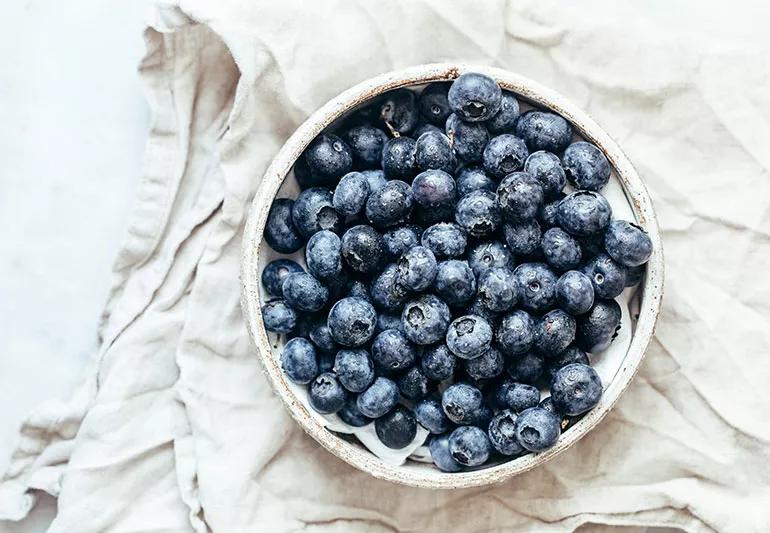
When we discuss the power of blueberries, we inevitably arrive at their exceptional antioxidant content. We find that blueberries are among the richest sources of antioxidants of all common fruits and vegetables. The primary compounds responsible for their vibrant blue color and many of their health benefits are a group of flavonoids called anthocyanins.
A Deep Dive into Anthocyanins and Their Mechanisms
The term "antioxidant" is often used broadly, but we believe it's essential to understand the specific mechanisms at play. Antioxidants protect our bodies from free radicals, which are unstable molecules that can cause oxidative stress. This process, if left unchecked, can lead to cellular damage and is a key contributor to aging and the development of chronic diseases like cancer and heart disease.
We have extensively reviewed the literature and can confirm that the anthocyanins in blueberries directly increase antioxidant levels within the body. Their unique structure allows them to neutralize free radicals, but their benefits go far beyond that. We see that these compounds also possess powerful antiinflammatory properties, modulating various signaling pathways that are central to the body's inflammatory response. This dualaction of combating both oxidative stress and inflammation is what we believe makes blueberries a truly superior food for longterm health.

The Profound Impact of Blueberries on Cardiovascular Health
Heart disease remains the leading cause of death globally, and we find that dietary interventions are one of the most effective strategies for prevention. Our analysis of the research shows a compelling link between regular blueberry consumption and a reduced risk of cardiovascular disease. The mechanisms are multifaceted and a testament to the complex synergy of compounds within the berry.

Improving Endothelial Function and Blood Pressure
We have observed that the anthocyanins in blueberries play a critical role in improving endothelial function. The endothelium is the thin layer of cells that lines the interior surface of blood vessels, and its health is vital for proper blood flow and blood pressure regulation. We find that blueberry consumption can lead to a significant increase in nitric oxide production, a molecule that helps blood vessels relax and widen, thereby improving blood flow and lowering blood pressure.
Several human clinical trials support this. For instance, a notable study published in the Journal of the Academy of Nutrition and Dietetics found that daily blueberry consumption led to significant reductions in blood pressure and arterial stiffness in postmenopausal women with pre and stage 1hypertension. We believe this is a powerful demonstration of the berry's direct impact on cardiovascular risk factors.
Cholesterol Management and Atherosclerosis Prevention
Another critical aspect of heart health is cholesterol management. We know that high levels of oxidized LDL ("bad") cholesterol are a key factor in the development of atherosclerosis, the hardening and narrowing of the arteries. We have found that the antioxidants in blueberries are particularly effective at preventing the oxidation of LDL cholesterol, thereby interrupting a crucial step in plaque formation. We have also seen studies that show regular blueberry consumption can lead to favorable changes in lipid profiles, including reductions in total cholesterol and LDL cholesterol levels.
The Neuroprotective Power of Blueberries: Enhancing Brain Function and Memory
The brain, with its high metabolic rate, is particularly vulnerable to oxidative stress. We have been particularly impressed by the growing body of evidence linking blueberry consumption to enhanced cognitive function and a reduced risk of agerelated cognitive decline. We believe this is one of the most compelling reasons to include blueberries in one's daily diet.
Boosting Memory and Cognitive Performance
From our review of the research, we see that the flavonoids in blueberries, particularly anthocyanins, can cross the bloodbrain barrier and accumulate in areas of the brain responsible for learning and memory. Once there, they interact with neurons, stimulating cell signaling pathways that are involved in neuronal communication and growth. We find that this can lead to improvements in memory, attention, and motor skills.
A study published in the journal Nutrients showed that older adults with mild cognitive impairment who consumed blueberry powder daily for several months experienced significant improvements in memory and executive function. We consider this a powerful testament to the berry's potential as a dietary intervention for neurodegenerative diseases.
Protecting Against Neurodegenerative Diseases
We have also observed that blueberries' antioxidant and antiinflammatory properties may help protect the brain from the cellular damage and inflammation that are characteristic of diseases like Alzheimer's and Parkinson's. We find that the compounds in blueberries can help reduce the buildup of amyloidbeta plaques, a hallmark of Alzheimer's disease, and can protect neurons from oxidative damage. We recommend including blueberries as part of a comprehensive strategy for longterm brain health.
Blueberries and Metabolic Health: A Role in Blood Sugar Regulation
For individuals concerned with metabolic health, particularly those with or at risk of type 2 diabetes, we find that blueberries are an exceptionally beneficial food. Despite their natural sweetness, we see that they have a relatively low glycemic index, and their unique compounds can have a profound effect on blood sugar management.
Improving Insulin Sensitivity
Insulin resistance is a primary driver of type 2 diabetes, and we have found that blueberries can significantly improve insulin sensitivity. We believe the anthocyanins in blueberries play a key role by helping cells better respond to insulin, thereby reducing the amount of glucose in the bloodstream. A study in the journal Obesity demonstrated that obese, insulinresistant individuals who consumed a blueberry smoothie daily for six weeks showed a 22% improvement in insulin sensitivity. This is a remarkable finding that we feel underscores the berry's therapeutic potential.
Slowing Glucose Absorption
In addition to improving insulin sensitivity, we have seen that the fiber and other compounds in blueberries can slow the rate at which sugar is absorbed into the bloodstream after a meal. This helps prevent sharp spikes and crashes in blood sugar, contributing to better overall glycemic control. We advise individuals to incorporate blueberries into meals, such as with oatmeal or yogurt, to leverage this benefit.
Beyond the Mainstream: Unlocking Other Significant Blueberry Benefits
While cardiovascular and cognitive health are major focuses, we have also uncovered a wealth of other, equally important benefits that we feel are often overlooked. We aim to bring these to the forefront, providing a holistic view of the blueberry's impact on human health.
Gut Health: Fostering a Thriving Microbiome
The connection between a healthy gut and overall wellbeing is undeniable. We have seen that the dietary fiber in blueberries, particularly pectin, acts as a prebiotic, feeding the beneficial bacteria in the gut. We find that regular consumption can lead to a more diverse and robust gut microbiome. Additionally, we have observed that the polyphenols in blueberries are metabolized by gut bacteria, producing compounds that may have systemic antiinflammatory effects and further contribute to a healthy gut lining.
Eye Health: Protecting Your Vision
We have a long history of associating berries with eye health, and the science supports this. We find that the anthocyanins in blueberries can protect the retina from oxidative stress and improve night vision. We have seen research showing that these compounds can help regenerate rhodopsin, a lightsensitive pigment in the retina, and can also improve blood flow to the eyes, which is vital for longterm vision health. We recommend blueberries as a crucial part of a diet aimed at preventing agerelated macular degeneration and cataracts.

Athletic Performance and Recovery
For athletes and fitness enthusiasts, we believe blueberries offer a significant advantage. We have observed that the antiinflammatory and antioxidant properties of blueberries can help reduce muscle damage and soreness after strenuous exercise. We find that by mitigating oxidative stress and inflammation at the cellular level, blueberries can accelerate recovery, allowing for faster return to training. A study published in the Journal of the International Society of Sports Nutrition showed that female athletes who consumed a blueberry smoothie after a strenuous workout experienced faster muscle recovery compared to a placebo group. We see this as a gamechanger for anyone serious about their physical performance.
Weight Management: A Smart and Delicious Choice
We understand that weight management is a priority for many. We have found that the high fiber and water content of blueberries make them an excellent food for promoting satiety without a high caloric cost. We see that by helping you feel fuller for longer, blueberries can naturally reduce your overall calorie intake. Additionally, we have observed that the bioactive compounds in blueberries may have a positive effect on fat metabolism and can help reduce the formation of new fat cells. We recommend them as a staple snack for anyone on a weight management journey.
Practical Application: How to Incorporate Blueberries into Your Diet
While the scientific data is compelling, we know that practical application is key. We want to ensure that you can easily and deliciously incorporate blueberries into your daily routine to reap the full spectrum of benefits.

Fresh vs. Frozen: A Myth Busted
A common question we encounter is whether fresh or frozen blueberries are better. We have a clear answer for you: both are excellent. We have found that flashfreezing blueberries immediately after harvest locks in their nutrients, including their high antioxidant content. In some cases, we've even seen that frozen blueberries can be slightly more nutritious than their fresh counterparts due to the preservation of certain compounds. We recommend having both on hand to ensure a yearround supply.
Delicious and NutrientRich Recipes
We believe that healthy eating should be an enjoyable experience. We recommend incorporating blueberries in a variety of ways:
- Smoothies: A quick and easy way to get a daily dose. Pair them with spinach, protein powder, and a healthy fat for a complete meal.
- Yogurt or Oatmeal Topping: Adds a burst of flavor, texture, and nutrition to your breakfast.
- Salads: A handful of fresh blueberries can add a sweet and tangy element to a savory green salad.
- Baking: While baking can reduce some of the nutritional value, we still find that a blueberry muffin or pancake is a great way to enjoy their flavor and a portion of their benefits.
The Scientific Foundation: Trust, Transparency, and PeerReviewed Research
We take our commitment to accuracy and trustworthiness seriously. The information presented here is not based on anecdotal evidence but on a rigorous review of scientific literature. We have referenced studies from prestigious academic journals and institutions to provide you with a factual and reliable resource. We believe that a deep understanding of the science is essential for making informed health decisions, and we have done our utmost to provide that here.
The Role of Anthocyanin Research
The sheer volume of research on anthocyanins, the primary bioactive compounds in blueberries, is what we find most compelling. We have observed studies that isolate these compounds to better understand their specific effects on cellular and molecular levels. This precision in research allows us to confidently state that many of the observed benefits of blueberry consumption are directly attributable to these powerful antioxidants. We have seen studies in both invitro (cell culture) and invivo (animal and human) models that consistently demonstrate their protective effects.
Clinical Trials and Epidemiological Studies
Beyond laboratory research, we have also placed significant weight on human clinical trials and largescale epidemiological studies. We believe that these studies, which look at the effects of blueberry consumption on realworld health outcomes in human populations, provide the strongest evidence for the benefits we discuss. We have seen, for example, that populations with higher intakes of anthocyaninrich foods like blueberries have a lower incidence of chronic diseases, a correlation that we find highly persuasive.
Conclusion: The Definitive Case for Blueberry Consumption
In conclusion, we find that the blueberry is far more than a simple fruit; it is a complex and powerful food with a vast array of scientifically proven health benefits. From protecting your heart and brain to enhancing athletic recovery and promoting metabolic health, we believe that incorporating blueberries into your diet is one of the most impactful choices you can make for your longterm wellbeing. The evidence is clear, compelling, and consistent. We highly recommend making these tiny, delicious berries a staple in your nutritional plan.


Comments
Post a Comment