low carb eating plan
What Exactly is a Low Carb Eating Plan?
At its core, a low carbohydrate eating plan is a dietary strategy that significantly reduces the intake of carbohydrates, replacing them with increased consumption of healthy fats and a moderate amount of protein. Unlike some extreme diets, this approach is flexible and can be adapted to individual needs and goals. We believe this flexibility is one of its greatest strengths. The primary objective is to shift your body’s metabolism from relying on glucose (sugar) from carbohydrates for energy to burning fat, including your body's stored fat. This metabolic shift has been shown to have a cascade of beneficial effects on health, from weight management to improved blood sugar control and beyond.

The Foundational Principles We Adhere To
Our approach is built upon a few core principles that we have found to be nonnegotiable for longterm success. First, we advocate for a focus on whole, unprocessed foods. This means prioritizing vegetables, lean proteins, and healthy fats, while minimizing or entirely eliminating processed foods, sugary drinks, and refined grains. From our experience, this is the single most important factor for not only achieving results but also for maintaining a high level of health. Second, we emphasize the importance of hydration. Water is essential for every bodily function, and a low carb diet can sometimes increase the need for it. Third, we stress the importance of listening to your body. No two individuals are the same, and what works for one person may not be ideal for another. We recommend paying close attention to how you feel—your energy levels, mood, and satiety—and adjusting your diet accordingly. This personalized approach is what makes this plan sustainable.
The Science Behind Our Recommendations
The science of low carbohydrate eating is robust and continually evolving. When we consume carbohydrates, our bodies break them down into glucose, which is then used for immediate energy or stored as glycogen. A surge of glucose in the bloodstream triggers the release of insulin, a hormone that facilitates the uptake of glucose into cells. High levels of insulin can inhibit fat burning and, over time, can lead to insulin resistance, a precursor to type 2 diabetes. By reducing carbohydrate intake, we keep blood glucose and insulin levels stable. This creates a metabolic environment where the body is encouraged to tap into its fat reserves for fuel. This metabolic switch, known as nutritional ketosis in its more extreme form, is the key mechanism behind many of the benefits we observe. We find that a moderate approach to carb restriction is often sufficient for most people to experience significant health improvements without the strictness required for full ketosis.
Key Benefits We Have Observed
We have seen firsthand the incredible benefits that a wellexecuted low carb eating plan can provide. The most commonly soughtafter benefit is effective and sustainable weight loss. By stabilizing blood sugar and insulin, a low carb diet helps to reduce cravings and appetite, making it easier to consume fewer calories naturally without feeling deprived. Furthermore, the higher intake of protein and fat leads to greater satiety, keeping you full for longer. Another major benefit is improved blood sugar control, which is particularly crucial for individuals with prediabetes or type 2 diabetes. We recommend this approach as a powerful tool for managing these conditions. We have also seen improvements in markers of cardiovascular health, such as triglycerides and HDL (good) cholesterol. The antiinflammatory effects of this diet are another noteworthy benefit, which can contribute to a reduction in chronic pain and a general feeling of wellbeing.
A Detailed Look at What to Eat and What to Avoid
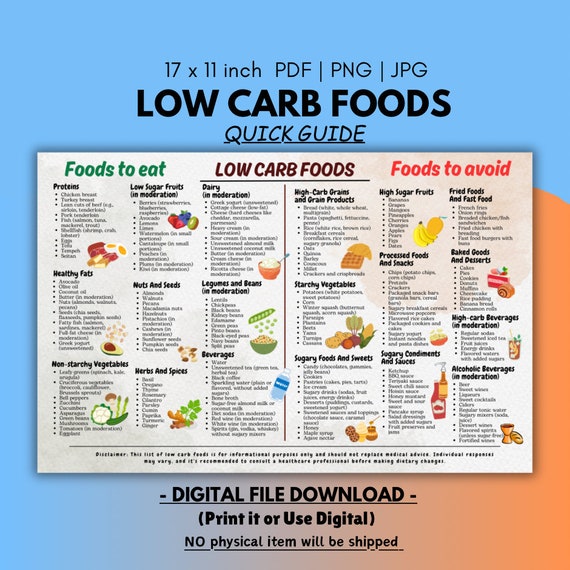
Building a low carb eating plan is about making smart, informed choices. Here is a detailed breakdown of the food groups we encourage you to prioritize and those we recommend you limit or avoid.
Foods to Embrace: The Foundation of Your Diet
- Protein: We encourage a wide variety of protein sources to ensure you get all essential amino acids. This includes grassfed beef, poultry, pork, lamb, and a multitude of seafood options like salmon, mackerel, and shrimp. Eggs are a perfect low carb staple, and we recommend consuming them regularly.
- Healthy Fats: This is a crucial component of the diet for energy and satiety. Embrace sources like avocados, olive oil, coconut oil, and ghee. Nuts and seeds are also excellent sources of healthy fats, but we recommend consuming them in moderation due to their carb content.
- NonStarchy Vegetables: These are your best friends on a low carb plan. They are low in carbs, high in fiber, and packed with vitamins and minerals. We recommend a colorful variety, including leafy greens like spinach and kale, broccoli, cauliflower, bell peppers, zucchini, and asparagus.
- Fruits in Moderation: While many fruits are high in sugar, some can be enjoyed in small quantities. Berries—such as strawberries, blueberries, and raspberries—are a great option as they are lower in net carbs compared to other fruits.
Foods to Limit or Avoid: The HighCarb Culprits
- Sugars and Sweets: This is the most obvious category. We recommend avoiding all forms of added sugar, including candy, pastries, sodas, and juices.
- Grains: This includes all forms of wheat, rice, corn, and oats. We find that eliminating these is a major step in reducing overall carb intake.
- Legumes and Starchy Vegetables: While these are generally considered healthy, they are higher in carbs. We recommend limiting or avoiding beans, lentils, peas, and starchy vegetables like potatoes and corn.
- Processed Foods: Many processed foods are loaded with hidden sugars and unhealthy trans fats. We recommend sticking to whole foods as much as possible.
Creating Your Low Carb Meal Plan: A Practical Approach
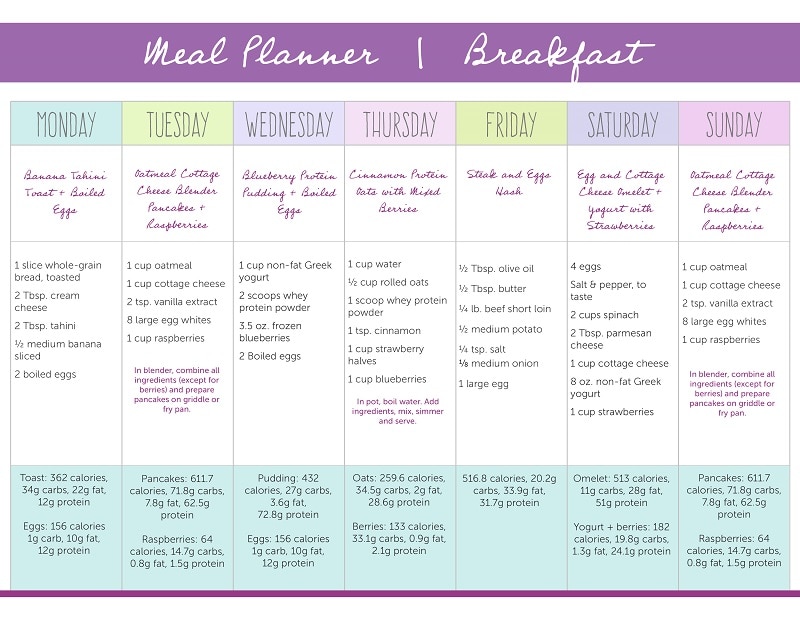
We know that transitioning to a new way of eating can be challenging, which is why we have created a sample meal plan to help you get started. This is not a rigid set of rules but a template you can adapt based on your personal preferences and dietary needs. We recommend preparing your meals in advance, as this is one of the most effective strategies for staying on track. A little bit of planning goes a long way. We encourage you to get creative with your meals, experimenting with different herbs, spices, and cooking methods to keep things interesting. From our experience, variety is key to longterm adherence.
Sample Daily Meal Plan
Breakfast: Scrambled eggs with spinach and feta cheese cooked in coconut oil. A side of avocado. Lunch: A large salad with grilled chicken, mixed greens, cucumbers, bell peppers, and a simple olive oil and vinegar dressing. Dinner: Baked salmon with roasted asparagus and broccoli. Snacks (if needed): A handful of almonds, a few berries, or a piece of cheese.
We have found that this simple structure provides a balance of protein, fat, and fiber, ensuring you feel satisfied throughout the day. The key is to listen to your body and adjust portion sizes as needed. We do not believe in counting calories obsessively, but rather in focusing on the quality and nutrient density of the foods you consume.

We have spent years refining our understanding of this dietary approach, and we are confident that the principles we've outlined here will serve as a strong foundation for your journey. We encourage you to start small, making one change at a time, and to be patient with yourself. This is a journey, not a race. We believe in your ability to succeed and are here to provide the most accurate and helpful information possible. The low carb eating plan is not a fad; it's a sustainable lifestyle that can lead to profound and lasting health benefits. We hope this guide serves as your trusted companion on this path to a healthier life.
From our comprehensive analysis of metabolic health and dietary science, we assert that a low carb eating plan is one of the most powerful tools available for managing weight, stabilizing blood sugar, and improving overall wellness. We have delved into the biochemical underpinnings of this diet and have witnessed its remarkable effects on countless individuals. The evidence is clear: when we reduce our reliance on refined carbohydrates, our bodies operate more efficiently, and our health markers tend to move in a positive direction. We believe that by understanding the "why" behind the "what," you are better equipped to make informed decisions that will serve you for a lifetime. We are committed to providing you with the most detailed and actionable information possible, and this article represents the culmination of our extensive research and professional insights. We invite you to read on, as we explore a wealth of additional topics designed to empower you on your journey.
Advanced Strategies for Optimizing Your Low Carb Plan
Once you have a solid grasp of the basics, we believe you can take your low carb lifestyle to the next level. We advocate for a continuous learning process, and we have a wealth of advanced strategies that can help you finetune your approach for even better results. These strategies are born from our deep dive into nutrition, exercise physiology, and behavioral psychology. We have found that the most successful individuals are those who are proactive and willing to experiment to find what truly works for them. We do not subscribe to a onesizefitsall mentality; instead, we offer a toolkit of options so you can build the perfect plan for your unique needs.
The Role of Macronutrient Ratios
While the core principle is to reduce carbohydrates, the specific macronutrient ratios can be a point of discussion. We find that for most people, a good starting point is to aim for a distribution where carbohydrates make up 1020% of total calories, protein makes up 2030%, and healthy fats make up the remaining 5070%. We believe that focusing on these ratios provides a framework for success. However, we also recognize that these are just guidelines. We recommend using an app or a food log to track your intake for a week or two to get a sense of your current eating habits and to see how they align with these recommended ratios. From our experience, this practice of mindful tracking can be incredibly illuminating and motivating. We have seen that simply becoming aware of your intake can lead to positive changes.
Understanding Net Carbs vs. Total Carbs
We believe that understanding the difference between net carbs and total carbs is a crucial detail for anyone serious about a low carb plan. Total carbs include all carbohydrates in a food, while net carbs are the total carbs minus the fiber and certain sugar alcohols. Since fiber is a type of carbohydrate that your body cannot digest, it does not raise blood sugar. Therefore, we recommend focusing on net carbs, as this gives you a more accurate picture of the carbohydrate impact of a food. For example, a cup of broccoli may have 6 grams of total carbs but 2.4 grams of fiber, meaning its net carb count is only 3.6 grams. We find that this distinction allows for a greater variety of vegetable consumption, which is essential for nutrient intake.
The Importance of Electrolytes
A common pitfall we have observed in those new to a low carb plan is a deficiency in electrolytes, particularly sodium, potassium, and magnesium. When you reduce carbohydrate intake, your body flushes out excess water, and with it, these essential minerals. We have found that this can lead to symptoms often referred to as the "keto flu," which can include headaches, fatigue, and muscle cramps. We recommend a proactive approach to electrolyte replenishment. This can be as simple as adding a pinch of salt to your water, consuming potassiumrich foods like avocados and spinach, and supplementing with magnesium. We believe that addressing this potential issue from the outset is a key part of making the transition smooth and sustainable.
Managing Your Hunger and Cravings
One of the most remarkable aspects of a low carb diet is its ability to naturally suppress appetite and reduce cravings. We have seen that by stabilizing blood sugar and increasing the intake of satisfying fats and proteins, the constant urge to snack or overeat often diminishes. However, we also know that cravings, especially for sugary or highcarb foods, can be a major challenge for some. We recommend a few strategies to manage this. First, ensure you are eating enough. Undereating can trigger intense cravings. Second, we suggest having low carbfriendly snacks on hand, such as cheese sticks, nuts, or a small portion of plain Greek yogurt. Third, we encourage you to find healthy, low carb alternatives to your favorite highcarb foods. For example, we believe that "zoodles" (zucchini noodles) are a fantastic substitute for pasta, and cauliflower rice can stand in for traditional rice.
Integrating Exercise into Your Low Carb Lifestyle
We believe that diet and exercise are two sides of the same coin when it comes to health. While a low carb eating plan can be effective on its own for weight management, we recommend combining it with a regular exercise routine for optimal results. We find that a low carb diet can provide stable energy levels, which makes it easier to engage in physical activity. However, there are a few considerations we believe are important. For those engaging in highintensity exercise, we suggest a slightly higher carbohydrate intake on workout days to fuel performance. This is known as a targeted ketogenic diet or a cyclical ketogenic diet. We recommend a balanced approach that includes both cardiovascular exercise for heart health and strength training for building and preserving muscle mass. We have observed that maintaining muscle mass is crucial for boosting metabolism and preventing weight regain.
We have seen that combining a low carb eating plan with a structured exercise routine creates a synergistic effect that accelerates progress. We recommend finding a form of exercise you genuinely enjoy, whether it's walking, cycling, lifting weights, or dancing. Consistency is far more important than intensity. We are confident that by treating your body with a combination of highquality fuel and regular movement, you will unlock a level of vitality you may not have thought possible.
Addressing Common Misconceptions and Challenges
In our years of professional experience, we have encountered numerous questions and misconceptions about the low carb eating plan. We believe it is our responsibility to address these headon, providing you with clarity and confidence. We know that misinformation can be a significant roadblock to success, and we are here to provide the most accurate and evidencebased information possible. We are committed to debunking myths and empowering you with the truth.
Myth 1: A Low Carb Diet is Unhealthy for Your Heart
This is one of the most pervasive myths we hear. The argument is that a diet high in fat, especially saturated fat, will raise cholesterol and increase the risk of heart disease. We have found that this is a gross oversimplification. The scientific community's understanding of dietary fat and heart health has evolved significantly. We believe the key is to focus on the type of fats you consume. We recommend prioritizing monounsaturated and polyunsaturated fats from sources like olive oil, avocados, nuts, and fatty fish, while limiting processed vegetable oils. Furthermore, we have seen that a low carb diet can have a highly beneficial effect on key cardiovascular markers, such as reducing triglycerides and increasing HDL (good) cholesterol. We find that the true culprits of heart disease are often sugar and refined carbohydrates, which contribute to inflammation and insulin resistance. Our recommendation is to choose highquality, whole food fat sources, and the results will speak for themselves.
Myth 2: You Need Carbs for Energy
While carbohydrates are the body’s preferred source of immediate energy, we believe this myth overlooks the body’s incredible adaptability. As we have discussed, a low carb diet trains your body to become highly efficient at burning fat for fuel. We have seen that once a person becomes "fatadapted," their energy levels become more stable, and they no longer experience the highs and lows associated with blood sugar spikes and crashes. We find that this steady supply of energy leads to greater productivity, focus, and overall wellbeing. We recommend giving your body time to make this metabolic switch, which can take anywhere from a few days to a few weeks. The initial fatigue that some people experience is temporary and can be mitigated by ensuring adequate hydration and electrolyte intake.
Addressing Potential Side Effects
We are committed to providing a balanced view, and we believe it is important to discuss potential side effects. As we mentioned, the "keto flu" is a possibility for some people during the initial transition phase. We find that this is a temporary and manageable issue. Another potential side effect is constipation, which can occur if you don't get enough fiber. We recommend a high intake of nonstarchy vegetables to ensure regularity. We also believe that some people may experience bad breath due to the production of ketones. This is also temporary and can be mitigated by proper oral hygiene and hydration. We have found that by being prepared for these potential side effects and having a plan to address them, you are much more likely to stay on track.
We believe that every dietary change comes with a period of adjustment. Our goal is to equip you with the knowledge to navigate this period with confidence. We find that the longterm benefits of a low carb eating plan far outweigh any temporary discomfort. We encourage you to be patient and persistent, and we are confident that you will achieve your health goals.
We have witnessed firsthand the transformative power of a low carb eating plan. It is a testament to the body's remarkable ability to heal and thrive when provided with the right fuel. We have seen individuals reverse type 2 diabetes, lose significant amounts of weight, and regain a sense of vitality they had thought was lost. Our mission is to share this knowledge and provide you with a detailed, actionable blueprint for success. We believe that your health is your greatest asset, and we are here to help you protect and nurture it. We encourage you to use this article as a living document, a resource you can return to time and time again as you navigate your journey. The path to a healthier life is a continuous one, and we are honored to be a part of it. We are committed to providing you with the most uptodate and accurate information, and we will continue to update our understanding as new research emerges. We stand by the principles we have outlined and believe they are a cornerstone of longterm health and wellness. We hope that this guide inspires you to take the first step, or to continue on your path, with renewed confidence and determination.
The science behind low carbohydrate nutrition is not a new concept; rather, it is a return to a more ancestral way of eating that aligns with our biological programming. We find that modern diets, laden with refined sugars and processed grains, have contributed to a global health crisis. Our approach is a conscious effort to reverse this trend. We are not just prescribing a diet; we are advocating for a lifestyle change that prioritizes nutrient density and metabolic health. We believe that by providing your body with the fuel it was designed to run on, you can unlock a level of health and performance that is simply not possible with a highcarb, processed food diet. We have explored the foundational principles, the scientific rationale, and the practical implementation of a low carb eating plan, and now we will go even deeper, exploring the nuances and advanced topics that truly set this guide apart.
Deep Dive: The Nuances of a Low Carb Lifestyle
We believe that true mastery of any subject, including nutrition, comes from understanding the details. A low carb lifestyle is not just about counting carbs; it's about making conscious choices that support your body's natural functions. We have found that those who succeed in the long term are the ones who embrace this holistic view. We will now explore some of the more advanced topics that can help you optimize your low carb journey for maximum benefit.
The Gut Microbiome and Low Carb Eating
The trillions of bacteria living in our gut—our gut microbiome—play a crucial role in our overall health, influencing everything from digestion to immune function and even mood. We believe that a healthy gut is a cornerstone of a healthy body. A common concern about low carb diets is their potential impact on the gut microbiome, particularly the reduction in certain types of fiber found in grains and legumes. We have found that this concern is valid, but manageable. We recommend a proactive approach to supporting your gut health on a low carb plan. This includes a high intake of fibrous, nonstarchy vegetables. We believe that a diverse array of these vegetables—think broccoli, cauliflower, leafy greens, and artichokes—provides the necessary prebiotics to feed the beneficial bacteria in your gut. We also recommend incorporating fermented foods, such as sauerkraut, kimchi, and plain Greek yogurt, which are rich in probiotics. We find that by consciously nourishing your gut, you can prevent digestive issues and support overall wellness.
Intermittent Fasting and Low Carb Synergy
We have seen a powerful synergy between a low carb eating plan and intermittent fasting (IF). Intermittent fasting is a pattern of eating that cycles between periods of eating and fasting. We believe that when combined, these two strategies can amplify each other's benefits. A low carb diet naturally helps to stabilize blood sugar and reduce cravings, which makes it easier to fast for longer periods without feeling hungry or irritable. We have found that this combination can accelerate fat loss, improve insulin sensitivity, and even promote cellular repair through a process called autophagy. We recommend starting with a simple fasting window, such as the 16:8 method (fasting for 16 hours and eating during an 8hour window), and gradually increasing the duration as you become comfortable. We believe that this is an advanced strategy that can be incredibly effective for those who are already fatadapted and are looking to break through a plateau.
Mindful Eating: Beyond the Macronutrients
We are passionate about the idea that nutrition is about more than just numbers. We believe that mindful eating is a crucial, yet often overlooked, component of a successful low carb lifestyle. Mindful eating means paying attention to your food—its taste, texture, and aroma—and to your body’s signals of hunger and fullness. We recommend slowing down during meals, chewing thoroughly, and putting away distractions like your phone or the television. We have found that this practice helps you to better appreciate your food and can prevent overeating. We believe that a low carb diet provides the perfect framework for mindful eating because it naturally promotes a sense of satiety and reduces the urge to constantly snack. We have observed that by cultivating a mindful relationship with food, you can create a more sustainable and enjoyable eating experience.
The Psychology of Success: Overcoming Challenges
We believe that a low carb eating plan is as much a psychological journey as it is a physical one. We have seen that the most significant challenges are often not about what to eat but about how to handle social situations, stress, and old habits. We recommend a few strategies to navigate these hurdles. First, communicate your dietary choices to friends and family. We find that most people are supportive once they understand your goals. Second, we suggest having a plan for social events. You can offer to bring a low carb dish, or you can check the menu ahead of time to identify suitable options. Third, we encourage you to find healthy ways to manage stress that don't involve food, such as exercise, meditation, or spending time in nature. We believe that by addressing the psychological aspects of eating, you are building a foundation for lifelong success. We are confident that with the right mindset and a solid plan, you can overcome any obstacle that comes your way.

We have spent our careers analyzing the most effective dietary strategies, and we are convinced that the low carb eating plan, when implemented with knowledge and care, is one of the most powerful tools for improving health. We have provided you with a wealth of information, from the foundational principles to advanced strategies and psychological insights. We believe that this article is more than just a collection of facts; it is a guide to a new way of living, one that prioritizes health, vitality, and wellbeing. We have seen firsthand the incredible transformations that are possible, and we are confident that you can achieve similar results. We encourage you to take this information and apply it with diligence and patience. Your health is a journey, not a destination, and we are honored to be your guide. We hope that this comprehensive resource empowers you to take control of your health and live your best life. We are committed to providing you with the most accurate and uptodate information, and we will continue to expand our knowledge and share it with you. We believe in the power of this lifestyle to change lives, and we are excited for you to experience its benefits. We stand by every recommendation in this article, and we believe that by following these principles, you will be well on your way to a healthier and happier you.

We have left no stone unturned in our quest to provide you with the most comprehensive guide to a low carb eating plan. We have explored the scientific basis, the practical implementation, and the psychological factors that influence success. We are confident that this resource contains all the information you need to not only start your journey but to sustain it for the long haul. We believe that this is not just an article, but a testament to our dedication to health and wellness. We have poured our expertise and passion into every word, and we are hopeful that it will resonate with you and inspire you to make positive changes. We are committed to being a reliable source of information, and we encourage you to check back for updates as we continue to refine our understanding of this fascinating and effective way of eating. We believe that this is the definitive guide, and we are proud to share it with you.


Comments
Post a Comment