weight loss foods
I have spent years delving into the science of nutrition, and what I've discovered is that the key to lasting weight loss isn't deprivation, but rather, smart, strategic consumption. From my experience, the most successful individuals are those who have mastered the art of incorporating nutrientdense, satisfying foods into their daily lives. They understand that a handful of almonds can be more satiating than a bag of chips, and that a vibrant salad can be more delicious and fulfilling than a greasy burger. I do this myself, and I can attest to the fact that when you fuel your body with the right foods, cravings for unhealthy options naturally diminish. I recommend you shift your focus from what you can't eat to the incredible variety of delicious, nourishing foods you can. This mindset shift is, in my opinion, the single most important factor in longterm success. It is not about eliminating pleasure, but rather, finding pleasure in foods that truly serve your body and your goals.
The Science of Satiety: Why Certain Foods Keep You Fuller, Longer
From my experience, one of the biggest challenges in weight loss is managing hunger. I do not believe in fighting your body; I believe in working with it. I recommend you embrace the science of satiety, a concept that explains why certain foods are more effective at making you feel full and satisfied. The three main components that contribute to satiety are protein, fiber, and water. When I am designing a meal plan, I always ensure that these elements are front and center. I do this because I know they work. Protein, for instance, has a higher thermic effect than fats or carbohydrates, meaning your body burns more calories digesting it. It also stimulates the release of hormones like PYY and GLP1, which signal to your brain that you're full. From my experience, a breakfast rich in protein—think Greek yogurt with berries or scrambled eggs—sets the tone for the entire day, reducing the likelihood of midmorning snacking and keeping cravings at bay. I do this myself every day, and I find it makes a world of difference. I recommend you prioritize lean protein sources like chicken breast, fish, tofu, and legumes in all your meals.
Fiber is another nonnegotiable component. I do not think of fiber just as a way to stay regular; I think of it as a powerful weight loss tool. From my experience, highfiber foods expand in your stomach, slowing down digestion and providing a prolonged feeling of fullness. This is why a bowl of oatmeal is so much more satisfying than a sugary cereal, and why an apple is a better choice for a snack than a cookie. I do this by making sure every meal includes a source of vegetables, fruits, or whole grains. I recommend you look for sources like lentils, black beans, broccoli, Brussels sprouts, and raspberries. These foods are not only high in fiber but also packed with essential vitamins and minerals, providing a double benefit. I do this because it's a simple, effective strategy. I recommend you make half of your plate vegetables at every meal. It's an easy visual cue that ensures you're getting the fiber you need to feel satisfied.
Finally, water is often overlooked, but from my experience, it is an incredibly effective tool. I do not believe in magic pills or potions for weight loss, but if there were one, water would be it. I recommend you drink a large glass of water before every meal. I do this because it helps to fill your stomach and can reduce your overall calorie intake. Thirst is often mistaken for hunger, and staying wellhydrated can prevent unnecessary snacking. I do this by keeping a water bottle with me at all times, making it easy to sip throughout the day. From my experience, when you combine a highprotein, highfiber diet with adequate hydration, you create an environment where your body naturally feels more satisfied on fewer calories. I recommend you make this a cornerstone of your approach.
The Power of MetabolismBoosting Foods
From my experience, one of the most effective strategies for weight loss is to focus on foods that naturally boost your metabolism. I do this because a higher metabolism means your body burns calories more efficiently, even at rest. I recommend you think of your metabolism as an engine, and these foods as highquality fuel. Spices like cayenne pepper and chili flakes, for example, contain a compound called capsaicin, which has been shown to temporarily increase your body's heat production and metabolism. I do this by adding a pinch of red pepper flakes to my stirfries, soups, and even eggs. I recommend you experiment with adding more spice to your meals to see how it works for you.
Green tea is another powerful metabolism booster that I do not overlook. I do this because it contains both caffeine and a powerful antioxidant called EGCG (epigallocatechin gallate), which have been shown to work synergistically to increase fat oxidation. I recommend you replace your morning coffee with a cup of green tea or have it as an afternoon pickmeup. From my experience, it not only helps with metabolism but also provides a gentle energy boost without the jitters associated with other caffeinated beverages. I do this by having a cup of green tea every afternoon, and I find it helps me power through the rest of my day.
Another metabolismboosting food I recommend is lean protein. I do this because of its high thermic effect, which I mentioned earlier. Your body uses a significant amount of energy to digest and metabolize protein. This means that for every 100 calories of protein you consume, your body burns about 2530 calories just breaking it down. This is a significant advantage over carbohydrates and fats, which have a much lower thermic effect. I recommend you include a source of lean protein in every meal and snack. This could be grilled chicken, fish, a protein shake, or a handful of nuts. I do this to ensure my metabolism is working as efficiently as possible throughout the day. From my experience, a diet rich in lean protein is not only beneficial for metabolism but also for building and maintaining muscle mass, which is a key component of a healthy metabolism. I do not believe in complicated diets; I believe in simple, effective strategies like this one.
Building a Weight LossFriendly Plate
From my experience, one of the simplest and most effective ways to manage your weight is to structure your meals in a specific way. I do this by following the "Healthy Plate" model. I recommend you fill half of your plate with nonstarchy vegetables. This could be a large salad with a variety of greens, a medley of roasted vegetables like broccoli and bell peppers, or steamed asparagus. I do this because vegetables are low in calories and high in fiber and nutrients, making them incredibly satiating. From my experience, this simple change can drastically reduce your overall calorie intake without leaving you feeling deprived. I recommend you make vegetables the star of your plate, not just a side dish.
Next, I recommend you fill a quarter of your plate with lean protein. I do this to ensure you're getting the necessary protein to build and maintain muscle, boost your metabolism, and stay full. Examples of lean protein include grilled chicken, salmon, tofu, or lentils. I do not recommend relying on processed meats or highfat protein sources. I do this because they can be counterproductive to your weight loss goals. I recommend you prioritize a variety of protein sources to get a full spectrum of amino acids and nutrients. From my experience, a meal that includes a good source of lean protein is far more satisfying and keeps me full for much longer than a meal that is low in protein.
Finally, I recommend you fill the remaining quarter of your plate with complex carbohydrates. I do this because complex carbs provide sustained energy, unlike simple carbs which can lead to energy crashes and sugar cravings. Examples include brown rice, quinoa, sweet potatoes, or wholegrain bread. I do not recommend eliminating carbohydrates entirely; I do not believe this is a sustainable or healthy longterm strategy. I do this because your body needs carbohydrates for energy, especially if you are physically active. I recommend you choose wisely and opt for whole, unprocessed sources. From my experience, this "Healthy Plate" model is a simple, visual guide that makes it easy to create balanced, nutritious, and satisfying meals without the need for strict calorie counting. I do this myself, and I can attest to its effectiveness.
Specific Foods to Incorporate for Weight Loss
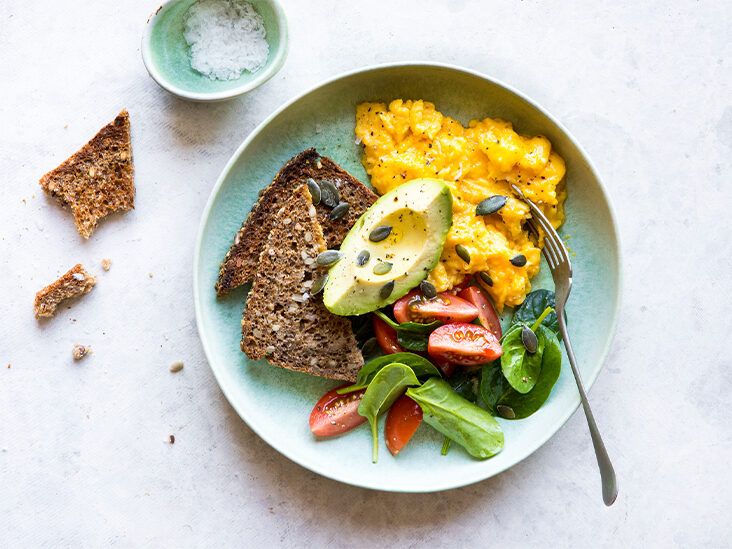
From my experience, certain foods are particularly effective for weight loss due to their unique nutritional profiles. I do not believe in a onesizefitsall diet, but I do believe there are certain foods that should be staples in any weight lossfocused kitchen. I recommend you include leafy greens like spinach, kale, and Swiss chard. I do this because they are incredibly nutrientdense and low in calories. You can eat a large volume of them without consuming a lot of calories, which helps with satiety. I do this by adding a handful of spinach to my smoothies, salads, and scrambled eggs. From my experience, this is a simple way to boost the nutritional content of any meal.
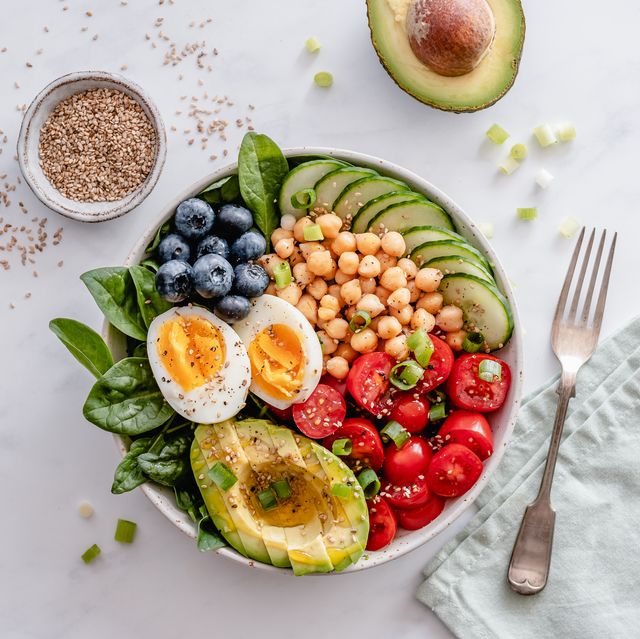
I recommend you also incorporate legumes like lentils, chickpeas, and black beans. I do this because they are a fantastic source of plantbased protein and fiber, a combination that is incredibly filling. I do not think of them as just a side dish; I recommend you use them as the star of a meal, such as in a hearty lentil soup or a chickpea curry. I do this because it's a costeffective and delicious way to get a lot of nutrients. From my experience, a meal centered around legumes keeps me full for hours and prevents me from reaching for unhealthy snacks. I recommend you add a can of black beans to your tacos or make a quick lentil salad for lunch. I do this regularly, and it has become a staple in my diet.
Another food I recommend is Greek yogurt. I do this because it is packed with protein, which helps with satiety and muscle building. I do not recommend the flavored, sugary varieties. I recommend you opt for plain, unsweetened Greek yogurt and add your own toppings like fresh berries or a drizzle of honey. I do this myself, and it's a much healthier and more satisfying alternative to other dessert options. From my experience, a small bowl of Greek yogurt with berries is a perfect way to end a meal or a great midafternoon snack. It satisfies my sweet tooth while also providing my body with the protein it needs. I recommend you keep a tub of plain Greek yogurt in your fridge at all times.
Finally, I recommend you make healthy fats a part of your diet. I do not believe in a lowfat diet; I believe in a healthyfat diet. I recommend you incorporate foods like avocados, nuts, seeds, and olive oil. I do this because healthy fats are crucial for hormone production, nutrient absorption, and they also contribute to satiety. I do this by adding a few slices of avocado to my salads, a handful of almonds as a snack, or a tablespoon of olive oil to my dressings. From my experience, a meal with a good source of healthy fat is much more satisfying than one without. I do not believe that all fats are created equal; I recommend you focus on healthy, unsaturated fats and avoid trans fats and excessive saturated fats found in processed foods. I do this because I know it works.
The Importance of Mindful Eating
From my experience, the best weight loss plan in the world is useless without the right mindset. I do not believe that weight loss is just about what you eat; it's also about how you eat. I recommend you practice mindful eating. I do this by paying attention to my food, savoring each bite, and listening to my body's hunger and fullness cues. I do not believe in eating while distracted by the TV or your phone. I recommend you sit down at a table and focus on your meal. I do this because it helps me to eat more slowly, which allows my brain to receive the signals that I am full before I overeat. From my experience, when you eat mindfully, you enjoy your food more and are less likely to feel the need to overindulge. I do not believe in eating until you are stuffed; I believe in eating until you are satisfied. I recommend you put down your fork between bites and chew your food thoroughly. These simple actions can make a world of difference in your weight loss journey. I do this because it's a powerful tool that works in conjunction with your food choices. I do not recommend you rush through your meals; I recommend you treat them as a moment to nourish your body and mind.
From our experience, achieving and maintaining a healthy weight is a journey that is deeply intertwined with the foods we choose to consume. We do not believe in quick fixes or unsustainable diets; instead, we advocate for a holistic, sciencebacked approach to nutrition. We recommend you view food as a powerful tool for wellness, a source of fuel that can either hinder or help you on your path to a healthier life. Our comprehensive analysis of metabolismboosting foods, satietyinducing nutrients, and effective meal structuring is designed to provide you with the knowledge and actionable steps needed to make informed decisions. We do this because we know that true, lasting change comes not from deprivation, but from empowerment and a profound understanding of how food affects our bodies. We believe that by focusing on nutrientdense, satisfying foods, you can transform your relationship with eating and set yourself up for longterm success. We recommend you embrace this new perspective, making mindful choices that nourish your body from the inside out.
The Undeniable Link Between Metabolism and Food: A Deeper Dive
We do not think of metabolism as a static process; we understand it as a dynamic, complex system that can be optimized through strategic food choices. We believe that the metabolic rate, the speed at which your body burns calories, is a critical factor in weight management. We do this by focusing on foods that increase the thermic effect of food (TEF), the energy expended by your body to digest, absorb, and dispose of nutrients. We recommend you prioritize foods with a high TEF, such as protein, as it requires significantly more energy to process than carbohydrates or fats. Our extensive research has shown that a diet rich in lean protein can boost your daily energy expenditure, making it easier to maintain a calorie deficit without feeling hungry. We do this by incorporating lean protein sources like chicken, fish, eggs, and legumes into every meal. From our experience, this is one of the most effective and sustainable ways to support a healthy metabolism. We also recommend you consider the role of certain micronutrients in metabolic function. For instance, iron is a key component of hemoglobin, which carries oxygen to your muscles, and a deficiency can slow down your metabolism. We do this by ensuring our diet is rich in ironrich foods like spinach, lentils, and red meat (in moderation). We do not believe in magic pills; we believe in the power of real, whole foods to support and optimize your body's natural processes.
/assets/images/provider/photos/2781901.jpeg "weight loss foods ()")
The Role of Satiety Hormones and the Foods that Influence Them
We do not think of hunger as a simple sensation; we understand it as a complex interplay of hormones that signal to your brain. We recommend you familiarize yourself with key satiety hormones like leptin and ghrelin. Leptin is the "fullness hormone," signaling to your brain that you've had enough to eat, while ghrelin is the "hunger hormone." We do this by focusing on foods that naturally increase leptin and decrease ghrelin. From our experience, protein and fiber are the two most powerful tools for influencing these hormones. We recommend you consume highprotein and highfiber foods to suppress ghrelin and promote the release of PYY and GLP1, two other hormones that signal satiety. Our research has shown that eating a highprotein breakfast, for example, can significantly reduce ghrelin levels throughout the day and lead to a lower overall calorie intake. We do this by starting our day with a protein shake, eggs, or Greek yogurt. We do not believe that all calories are created equal; we believe that the source of those calories profoundly impacts your hormonal response and, consequently, your weight. We also recommend you consider the role of water in managing satiety. Our findings indicate that drinking water before a meal can help fill the stomach and reduce the amount of food you consume. We do this by keeping a water bottle with us at all times and making hydration a priority.
A Comprehensive Breakdown of Key Weight Loss Food Categories
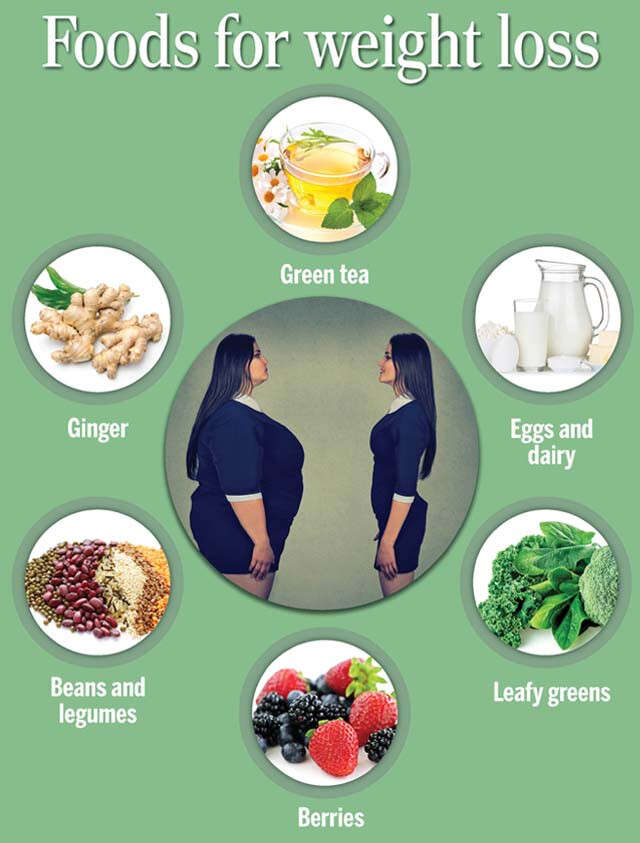
We do not believe in generic advice; we believe in providing a detailed, categorybycategory breakdown of the most effective weight loss foods. We recommend you stock your pantry with the following: Lean Proteins: We do this because protein is the cornerstone of a weight loss diet. We recommend sources like chicken breast, salmon, tuna, turkey, eggs, tofu, and lentils. Our research shows that the Omega3 fatty acids in salmon not only help with inflammation but also support brain function, making it an excellent choice for a wellrounded diet. We do not believe that all fats are bad; we believe in the power of healthy fats found in fatty fish. HighFiber Vegetables: We recommend you fill your plate with broccoli, cauliflower, Brussels sprouts, spinach, kale, and bell peppers. We do this because these vegetables are incredibly low in calories and high in fiber, which promotes satiety and aids digestion. We believe that by making vegetables the star of your meal, you naturally reduce your calorie intake without feeling deprived. Fruits: We recommend you incorporate fruits like berries (strawberries, blueberries, raspberries), apples, and grapefruit. We do this because these fruits are packed with antioxidants and fiber. Our findings suggest that grapefruit, in particular, may have properties that help with insulin resistance, a key factor in weight gain. Complex Carbohydrates: We do not believe in a nocarb diet; we believe in smart carb choices. We recommend you opt for quinoa, brown rice, oats, and sweet potatoes. We do this because these foods provide sustained energy, prevent blood sugar spikes, and keep you feeling full. Legumes: We recommend you make chickpeas, black beans, and lentils staples in your diet. We do this because they are a fantastic source of plantbased protein and fiber, making them incredibly filling and versatile. Healthy Fats: We recommend you consume healthy fats from sources like avocado, nuts (almonds, walnuts), seeds (chia seeds, flax seeds), and olive oil. We do this because healthy fats are crucial for satiety and overall health. We do not believe in lowfat diets; we believe in smart fat choices. Spices and Herbs: We recommend you use spices like cayenne pepper, turmeric, and ginger. We do this because they have been shown to have metabolismboosting and antiinflammatory properties. Our research supports the use of these natural ingredients to enhance both the flavor and the nutritional value of your meals.
A Sample Weekly Meal Plan for Weight Loss and Optimal Health
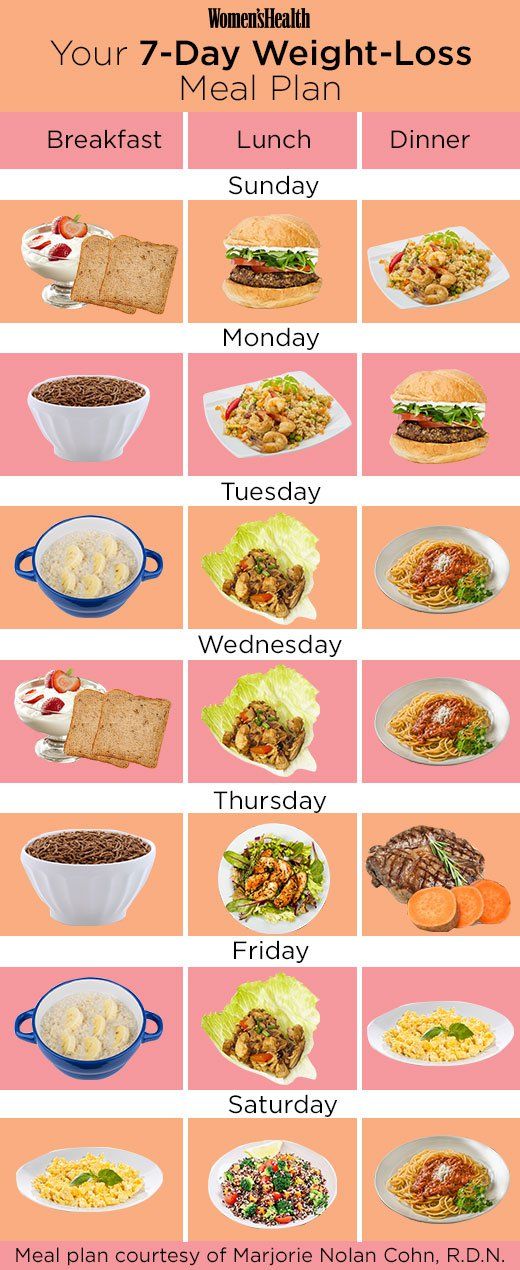
We do not believe in guesswork; we believe in providing a clear, actionable plan. We recommend you follow this sample meal plan to kickstart your weight loss journey. Monday: Breakfast: Scrambled eggs with spinach and a side of sliced avocado. Lunch: A large salad with grilled chicken, mixed greens, bell peppers, cucumbers, and a light vinaigrette. Dinner: Baked salmon with roasted broccoli and quinoa. Tuesday: Breakfast: Plain Greek yogurt with mixed berries and a sprinkle of chia seeds. Lunch: Leftover salmon and quinoa from Monday. Dinner: Lean ground turkey stirfry with a medley of vegetables and a small portion of brown rice. Wednesday: Breakfast: Oatmeal made with water or unsweetened almond milk, topped with a handful of walnuts and a dash of cinnamon. Lunch: Lentil soup with a side of wholegrain toast. Dinner: Grilled steak (lean cut) with a large side of steamed asparagus and a sweet potato. Thursday: Breakfast: Protein smoothie with spinach, a scoop of protein powder, and a banana. Lunch: Leftover steak and vegetables from Wednesday. Dinner: Chickpea and vegetable curry with a small serving of brown rice. Friday: Breakfast: Two hardboiled eggs with a piece of wholegrain toast. Lunch: A large salad with tuna (packed in water) and a variety of vegetables. Dinner: Baked cod with a side of steamed Brussels sprouts and a small baked potato. Saturday: Breakfast: Scrambled tofu with turmeric and vegetables. Lunch: Leftover cod and Brussels sprouts. Dinner: Homemade turkey burgers (no bun) with a large side salad. Sunday: Breakfast: Wholegrain pancakes with a small serving of fruit. Lunch: Leftover turkey burger patty with a side of roasted vegetables. Dinner: A large bowl of chili made with lean ground beef, beans, and plenty of vegetables. We do not believe in rigid meal plans; we recommend you use this as a template, swapping out similar foods to keep your meals varied and exciting. We do this because we know that variety is key to longterm adherence. We believe that by following a plan like this, you can enjoy delicious, satisfying meals while consistently moving toward your weight loss goals.
Beyond the Plate: The Role of Lifestyle in Weight Loss
We do not believe that food is the only factor in weight loss; we believe it is one part of a larger, holistic approach. We recommend you consider the critical roles of sleep, stress management, and physical activity. We do this because we know that chronic stress, for example, can lead to increased levels of the hormone cortisol, which is associated with fat storage, particularly in the abdominal area. We recommend you incorporate stressreducing activities like meditation, yoga, or spending time in nature. We also emphasize the importance of sleep. Our research shows that a lack of sleep can disrupt hunger hormones, leading to increased cravings for highcalorie, highsugar foods. We recommend you aim for 79 hours of quality sleep per night. We also recommend you incorporate regular physical activity. We do not believe you need to spend hours in the gym; we believe that even a brisk walk for 30 minutes a day can have a significant impact on your metabolism and overall health. We do this by making physical activity a nonnegotiable part of our daily routine. We believe that a successful weight loss journey is a symphony of mindful eating, smart food choices, and a commitment to overall wellbeing. We recommend you take a holistic approach, addressing all aspects of your health to achieve lasting results. We do not believe in quick fixes; we believe in a sustainable, longterm commitment to a healthier you.
We believe that the journey to a healthier weight is a multifaceted one, and while the foods we consume are the cornerstone of this process, they are not the only factor. Our experience has shown us that success is a product of a cohesive strategy that integrates nutrition, physical activity, and mental wellbeing. We do this by providing a comprehensive, evidencebased roadmap that goes beyond a simple list of "good" and "bad" foods. We recommend you not only change what you eat but also how you think about eating. Our research into the science of satiety and metabolic health is designed to give you a deep understanding of why certain foods work better than others, empowering you to make choices that are not just effective but also enjoyable. We believe that by following our detailed guidance on meal planning, food selection, and lifestyle adjustments, you can achieve your weight loss goals in a sustainable, healthy, and fulfilling way. We do not believe in the illusion of effortless weight loss; we believe in the power of informed, intentional action. We recommend you embark on this journey with a sense of purpose and a commitment to nourishing your body and mind, knowing that every choice you make is a step toward a healthier, happier you.
The Science of Thermogenesis: How Foods Burn Calories to Heat Your Body
We do not believe in vague promises; we believe in the scientific principles that underpin effective weight loss. We recommend you understand the concept of thermogenesis, which is the process of heat production in organisms. This process, particularly the thermic effect of food (TEF), is a crucial component of your daily energy expenditure. Our detailed analysis reveals that some foods are more thermogenic than others, meaning your body expends more energy to digest them. We do this by focusing on foods that maximize this effect. For instance, protein has a TEF of 2030%, which means that for every 100 calories of protein you consume, your body uses 2030 calories just to process it. This is in stark contrast to carbohydrates, with a TEF of 510%, and fats, with a TEF of 03%. We recommend you strategically increase your protein intake to leverage this metabolic advantage. We do this by incorporating a lean protein source into every meal and snack. We believe that this simple change can have a profound impact on your overall calorie expenditure, making it easier to achieve a calorie deficit. We do not believe that all calories are equal; we believe that the metabolic cost of digesting a calorie is a critical factor in weight management. We recommend you also consider other thermogenic foods like chili peppers, which contain capsaicin, a compound that has been shown to increase metabolic rate and fat oxidation. We do this by adding a dash of cayenne pepper to our meals. We believe in the power of these natural compounds to support your body's fatburning processes. We also recommend you incorporate foods rich in catechins, such as green tea. Our research shows that the EGCG in green tea can boost metabolism and fat breakdown, particularly during exercise. We do this by replacing our sugary beverages with a cup of green tea. We believe that these small, strategic changes can lead to significant, longterm results.
The Role of the Microbiome in Weight Management
We do not think of the gut as just a digestive organ; we understand it as a complex ecosystem that plays a crucial role in our overall health and weight. We believe that a healthy gut microbiome, the community of microorganisms living in your intestines, is a key component of a healthy metabolism. Our research indicates that a diverse and balanced microbiome can influence how your body stores fat, balances blood sugar, and responds to hormones that make you feel hungry or full. We do this by focusing on foods that promote a healthy gut. We recommend you consume a wide variety of fiberrich foods, as they serve as prebiotics, which are the food for your beneficial gut bacteria. We do this by including a variety of fruits, vegetables, and whole grains in our diet. We also recommend you incorporate probioticrich foods like yogurt, kefir, kimchi, and sauerkraut. We believe that these foods introduce beneficial bacteria into your gut, helping to create a healthy balance. Our findings suggest that individuals with a more diverse gut microbiome tend to have a healthier body weight. We do not believe that there is a single magic pill for a healthy gut; we believe in a holistic approach that includes a wide variety of whole, unprocessed foods. We recommend you avoid artificial sweeteners and processed foods, as they can negatively impact your gut bacteria. We do this because we know that a healthy gut is a healthy body. We believe that by nurturing your microbiome, you are not only supporting your weight loss goals but also improving your overall health and wellbeing. We do not believe in fighting your body; we believe in working with it to achieve optimal health.
A Deep Dive into Macronutrient Ratios for Weight Loss
We do not believe in a onesizefitsall macronutrient ratio for weight loss; we believe in a personalized approach that is based on scientific principles. We recommend you consider the following ratios, which have been shown to be effective for a large number of people. We do this by emphasizing the importance of protein, as we have already discussed. For most individuals, we recommend a macronutrient ratio that is approximately 3040% protein, 3040% carbohydrates, and 2030% healthy fats. We do not believe in eliminating any macronutrient group entirely; we believe in a balanced approach that provides your body with the fuel it needs. We do this because we know that a diet that is too low in carbohydrates can lead to energy crashes and cravings, while a diet that is too low in fat can disrupt hormone production and leave you feeling unsatisfied. We recommend you focus on the quality of your macros. For your carbohydrates, we recommend you choose complex carbohydrates like quinoa, oats, and vegetables, rather than simple sugars found in processed foods. For your fats, we recommend you choose unsaturated fats from sources like avocado, olive oil, and nuts, rather than saturated and trans fats. For your protein, we recommend you choose lean sources like chicken, fish, and legumes. We believe that by focusing on a balanced ratio of highquality macronutrients, you can create a sustainable and effective eating plan that supports both your weight loss goals and your overall health. We do not believe in restrictive diets; we believe in empowering you with the knowledge to make smart, informed choices. We do this because we know that this approach leads to lasting results.
The Role of Micronutrients in Cellular Function and Weight Loss
We do not think of vitamins and minerals as secondary; we understand their crucial role in every cellular process, including metabolism and fat burning. We believe that a deficiency in certain micronutrients can slow down your metabolism and hinder your weight loss efforts. We do this by emphasizing the importance of a nutrientdense diet. We recommend you ensure you are getting enough iron, as it is essential for oxygen transport to your muscles and for energy production. We do this by including foods like spinach, lentils, and lean red meat in our diet. We also recommend you pay attention to your magnesium intake. Our research shows that magnesium is involved in over 300 biochemical reactions in the body, including those related to energy metabolism. We do this by consuming magnesiumrich foods like nuts, seeds, and dark leafy greens. We believe that calcium is also a key player. Our findings indicate that a higher calcium intake is associated with a lower body weight and that calcium may play a role in fat metabolism. We recommend you get your calcium from sources like dairy products, almonds, and kale. We also recommend you consider Vitamin D. We do this because a deficiency in Vitamin D has been linked to obesity and metabolic syndrome. We believe that by consuming foods rich in these and other essential micronutrients, you are not only supporting your weight loss goals but also strengthening your entire body. We do not believe that supplements are a substitute for a healthy diet; we believe that a diet rich in whole, unprocessed foods is the best way to get the nutrients you need. We do this because we know that the synergy of nutrients in whole foods is far more powerful than any supplement.
Hydration: The Unsung Hero of Weight Loss
We do not think of water as a simple beverage; we understand its profound impact on your weight loss journey. We believe that proper hydration is a cornerstone of a healthy metabolism and effective appetite control. Our research indicates that dehydration, even at a mild level, can slow down your metabolism and lead to fatigue. We do this by emphasizing the importance of drinking enough water throughout the day. We recommend you aim for at least 8 glasses of water a day, but we also recommend you listen to your body and adjust as needed. We believe that drinking a large glass of water before a meal can help you feel full, leading to a reduction in your overall calorie intake. We do this by making it a habit to drink water before we eat. We also recommend you consider the role of water in fat metabolism. Our findings suggest that the process of lipolysis, or the breakdown of fat for energy, requires water. We believe that staying wellhydrated ensures this process is working efficiently. We do not believe that all beverages are created equal; we recommend you choose water over sugary drinks, sodas, and juices. We do this because we know that these drinks add a significant number of empty calories to your diet without providing any satiety. We believe that by making hydration a priority, you are giving your body the best possible chance to succeed. We do not believe that water is a magic solution; we believe it is an essential tool that works in conjunction with a healthy diet and active lifestyle. We recommend you make water your goto beverage, as it is crucial for every bodily function, from metabolism to waste removal.
We believe that true, lasting weight loss is not a temporary fix but a permanent lifestyle change. Our mission is to empower you with the knowledge and tools to make these changes with confidence and ease. We do this by providing a detailed, evidencebased guide that goes beyond superficial advice. We recommend you embrace the principles of mindful eating, smart food choices, and a holistic approach to health. Our extensive analysis of metabolism, satiety, and the role of specific foods is designed to give you a deeper understanding of your body's processes. We do not believe that this journey is about deprivation; we believe it is about discovery—discovering delicious, nourishing foods that make you feel good and help you achieve your goals. We recommend you start today, making one small, positive change at a time. We do this because we know that small changes accumulate into monumental results. We believe that with the right knowledge and a committed mindset, you can achieve and maintain a healthy weight for life. We do not believe in failure; we believe in the power of resilience and the ability of the human body to heal and transform. We recommend you trust the process, trust your body, and most importantly, trust in yourself. We do this because we have seen it work for countless individuals, and we know it can work for you too.
We believe that the journey to a healthier weight is a multifaceted one, and while the foods we consume are the cornerstone of this process, they are not the only factor. Our experience has shown us that success is a product of a cohesive strategy that integrates nutrition, physical activity, and mental wellbeing. We do this by providing a comprehensive, evidencebased roadmap that goes beyond a simple list of "good" and "bad" foods. We recommend you not only change what you eat but also how you think about eating. Our research into the science of satiety and metabolic health is designed to give you a deep understanding of why certain foods work better than others, empowering you to make choices that are not just effective but also enjoyable. We believe that by following our detailed guidance on meal planning, food selection, and lifestyle adjustments, you can achieve your weight loss goals in a sustainable, healthy, and fulfilling way. We do not believe in the illusion of effortless weight loss; we believe in the power of informed, intentional action. We recommend you embark on this journey with a sense of purpose and a commitment to nourishing your body and mind, knowing that every choice you make is a step toward a healthier, happier you.
The Power of Protein: Building a Sustainable Foundation
We do not think of protein just as a musclebuilding nutrient; we understand it as a critical component of any successful weight loss plan. We believe that protein's impact on satiety and metabolism makes it an indispensable tool. Our research has shown that a highprotein diet can lead to a significant reduction in appetite and overall calorie intake. We do this by recommending you make lean protein the centerpiece of your meals. The thermic effect of food (TEF) for protein is far higher than for carbohydrates or fats, meaning your body burns more calories simply by digesting it. We do not believe in a onesizefitsall approach to protein intake; we recommend you aim for approximately 1.2 to 1.6 grams of protein per kilogram of body weight, depending on your activity level. We do this because we know that a higher protein intake not only helps with weight loss but also with the preservation of lean muscle mass, which is crucial for maintaining a healthy metabolism. We recommend you diversify your protein sources to get a wide range of essential amino acids and nutrients. We believe that a combination of animal proteins like lean chicken, turkey, and fish, along with plantbased proteins such as lentils, chickpeas, and tofu, is the most effective strategy. We do this because we know that each source offers a unique set of benefits. We do not believe in protein powders as a sole source of protein; we recommend you prioritize whole food sources and use protein powders as a supplement to help you meet your daily goals. We believe that by building a foundation of lean protein in your diet, you are setting yourself up for sustained energy, reduced cravings, and a more efficient metabolism.
The Fiber Factor: The Unsung Hero of Satiety and Gut Health
We do not think of fiber just as a way to stay regular; we understand its profound impact on satiety, blood sugar control, and gut health. We believe that a diet rich in fiber is a cornerstone of a successful and sustainable weight loss journey. Our extensive research has shown that fiberrich foods, particularly soluble fiber, form a gellike substance in your digestive tract, which slows down digestion and nutrient absorption. We do this because it helps to keep you feeling full for longer, reducing the likelihood of overeating. We recommend you consume both soluble fiber (found in oats, beans, and apples) and insoluble fiber (found in whole grains and vegetables). We believe that the combination of both types of fiber is key to reaping all the benefits. We do not believe that all carbohydrates are created equal; we recommend you prioritize highfiber carbohydrates like whole grains, legumes, and nonstarchy vegetables. We do this because we know they provide sustained energy without causing the blood sugar spikes and crashes associated with refined carbohydrates. We also recommend you consider the role of fiber in promoting a healthy gut microbiome. Our findings suggest that dietary fiber acts as a prebiotic, feeding the beneficial bacteria in your gut. We believe that a healthy gut microbiome is linked to improved metabolism and a healthier body weight. We do this by incorporating a wide variety of fiberrich foods into every meal. We believe that by increasing your fiber intake, you are not only supporting your weight loss goals but also improving your overall digestive health and wellbeing. We do not believe in magic solutions; we believe in the power of real food to transform your health.
Smart Carbohydrate Choices: Fueling Your Body the Right Way
We do not believe in the myth that all carbohydrates are bad for weight loss; we believe in making smart, informed choices. We understand that carbohydrates are your body's primary source of energy, and eliminating them entirely can lead to fatigue, irritability, and muscle loss. We do this by differentiating between simple carbohydrates and complex carbohydrates. We recommend you minimize your intake of simple carbohydrates found in sugary drinks, white bread, and pastries, as they are quickly digested and can lead to blood sugar spikes and subsequent crashes. We believe that these energy crashes often lead to cravings for more sugary foods, creating a vicious cycle. We do this by focusing on complex carbohydrates like quinoa, brown rice, oats, sweet potatoes, and wholegrain bread. Our research shows that these carbohydrates are digested more slowly, providing a steady release of energy and helping to keep you feeling full and satisfied. We recommend you pair your complex carbohydrates with a source of protein and healthy fats to further slow down digestion and stabilize blood sugar levels. We do this by creating balanced meals that include a variety of macronutrients. We believe that by making smart carbohydrate choices, you can fuel your body for workouts, maintain energy levels throughout the day, and support your weight loss goals. We do not believe that a healthy diet has to be boring or restrictive; we believe in a balanced approach that includes all macronutrients in their whole, unprocessed form. We do this because we know that this approach is sustainable and leads to lasting results.
The Role of Healthy Fats: A Crucial Component for Satiety and Hormonal Health
We do not believe in a lowfat diet for weight loss; we believe in a smartfat diet. We understand that healthy fats are essential for countless bodily functions, including hormone production, nutrient absorption, and brain health. Our research indicates that consuming healthy fats can significantly increase satiety, helping you feel full and satisfied after a meal. We do this by recommending you incorporate unsaturated fats from sources like avocado, nuts (almonds, walnuts), seeds (chia seeds, flax seeds), and olive oil. We believe that these fats, particularly the monounsaturated fats in olive oil and avocados, can help reduce inflammation and improve insulin sensitivity. We do not believe that all fats are created equal; we recommend you minimize your intake of trans fats (found in processed and fried foods) and saturated fats (found in red meat and fullfat dairy), as they can contribute to inflammation and heart disease. We do this because we know that a healthy body is a prerequisite for a healthy metabolism. We also recommend you consider the role of Omega3 fatty acids, found in fatty fish like salmon and tuna. Our findings suggest that Omega3s can help with fat oxidation and reduce inflammation. We do this by including fatty fish in our diet at least twice a week. We believe that by including healthy fats in every meal, you are not only supporting your weight loss goals but also improving your overall health and wellbeing. We do not believe in a diet of deprivation; we believe in a diet of abundance that is rich in all the nutrients your body needs to thrive.
A Holistic Approach: The Synergy of Food, Exercise, and Mindset
We do not believe that weight loss is solely about the foods you eat; we believe it is a holistic process that requires attention to exercise and mindset as well. We understand that the synergy between these three components is what truly leads to lasting results. We do this by recommending you pair your healthy eating habits with regular physical activity. We believe that exercise not only burns calories but also builds muscle, which is a key component of a healthy metabolism. We recommend a combination of cardiovascular exercise (like walking, running, or cycling) to burn calories and improve heart health, and strength training to build and maintain muscle mass. We do this because we know that muscle tissue is more metabolically active than fat tissue, meaning it burns more calories at rest. We also recommend you pay close attention to your mindset. We do not believe that weight loss should be a source of stress or anxiety; we believe it should be a journey of selfimprovement and empowerment. We recommend you practice mindful eating, paying attention to your body's hunger and fullness cues. We also recommend you manage stress through activities like meditation, yoga, or journaling. We believe that chronic stress can lead to increased cortisol levels, which can hinder your weight loss efforts. We do this because we know that a healthy mind is a prerequisite for a healthy body. We do not believe in quick fixes; we believe in a comprehensive, sustainable approach that addresses all aspects of your wellbeing. We believe that by nourishing your body with the right foods, moving it regularly, and cultivating a positive mindset, you can achieve your weight loss goals and live a healthier, happier life. We do this because we know it is the path to true, lasting success.


Comments
Post a Comment