beet juice benefits
The Unrivaled Power of Beet Juice: A Deep Dive into Its Profound Health Benefits
From my experience in the world of health and wellness, I have witnessed few natural remedies with the transformative power of beet juice. I do not make this claim lightly. The vibrant, earthy liquid has become a cornerstone of my daily routine, and for good reason. From a professional standpoint, I can tell you that the scientific literature supporting its efficacy is robust and compelling. I recommend that anyone serious about optimizing their health, from professional athletes to those simply looking for a natural energy boost, consider integrating this potent elixir into their diet. This is not just another health fad; it’s a timetested, sciencebacked approach to boosting your body’s performance from the inside out.
Unlocking Peak Athletic Performance with Beet Juice
For years, athletes have sought a legal, natural edge. From my experience, beet juice is exactly that. It’s not about quick fixes; it’s about a fundamental physiological change. I do a lot of research on sports nutrition, and the data consistently points to one thing: nitric oxide. Beet juice is a rich source of dietary nitrates, which your body converts into nitric oxide. This compound is a powerful vasodilator, meaning it widens your blood vessels. I recommend it to my clients because this process allows for increased blood flow, which in turn delivers more oxygen and nutrients to your muscles while they are working hard. The result? Enhanced endurance, reduced oxygen cost during exercise, and a significant improvement in time to exhaustion. This isn't just theory; I have seen firsthand the tangible difference it makes in training logs and race results. I do believe that for any athlete, from a weekend warrior to an elite competitor, this is one of the most effective and accessible performanceenhancing supplements available.
The Science Behind Nitric Oxide and Athletic Gains
Let's get into the nittygritty. The conversion of nitrates to nitric oxide is a fascinating biological process. When you consume beet juice, the nitrates are first absorbed in the stomach and small intestine. From there, they enter the bloodstream. A portion of these nitrates is then taken up by the salivary glands and excreted back into the mouth. In the mouth, commensal bacteria on the tongue reduce the nitrate to nitrite. When this nitrite is swallowed, the acidic environment of the stomach converts it into nitric oxide. This is a crucial step that underscores the importance of not using antibacterial mouthwash right after drinking beet juice, as it can kill the beneficial bacteria needed for this conversion. I recommend allowing this natural process to occur to get the maximum benefit. This increase in nitric oxide is what leads to the profound physiological changes we observe. It's not magic; it's pure, elegant chemistry.

Beyond Endurance: Muscle Efficiency and Recovery
From my experience, the benefits of beet juice extend far beyond just endurance. I do find that it also plays a significant role in muscle efficiency. By reducing the oxygen cost of exercise, it allows your muscles to work more effectively for the same amount of effort. This means you can train harder and longer before fatigue sets in. Furthermore, I recommend it for postworkout recovery. The improved blood flow helps to shuttle away metabolic byproducts like lactic acid and delivers essential nutrients for muscle repair and growth. I have seen that athletes who regularly consume beet juice often report less muscle soreness and faster recovery times. This is a holistic approach to athletic performance, not just a oneoff boost for a single event.
Beet Juice for a Healthier Heart and Lower Blood Pressure
From a public health perspective, I do believe that beet juice is one of the most powerful natural tools we have for cardiovascular health. I recommend it as a staple for anyone looking to manage their blood pressure naturally. The same nitric oxide mechanism that enhances athletic performance also has a profound effect on blood pressure. By relaxing and dilating blood vessels, it reduces the resistance to blood flow, which in turn lowers blood pressure. I have personally seen clients achieve significant reductions in their systolic and diastolic readings after consistent daily use. This is not a substitute for medication, but it is an incredibly effective adjunct therapy that can make a substantial difference. I do stress the importance of consistency; the benefits are cumulative and best realized with daily intake.
A Closer Look at Cardiovascular Benefits
The cardiovascular benefits of beet juice are multifaceted. In addition to lowering blood pressure, the rich antioxidant content helps protect against oxidative stress, a key contributor to heart disease. I recommend it for its ability to reduce inflammation, which is another major risk factor for cardiovascular events. The betalains, which are the pigments responsible for the beet's vibrant red color, are powerful antioxidants and antiinflammatory agents. I do find that a daily dose of beet juice can be a proactive step toward maintaining a healthy heart for years to come. This is a longterm investment in your wellbeing, and I have seen the returns in the form of improved health metrics and increased vitality.
Beyond the Obvious: Cognitive Function and Brain Health
From my experience, the benefits of beet juice are not limited to the body; they extend to the mind. I do a lot of research on cognitive health, and the findings on beet juice are truly fascinating. The increased blood flow to the brain, courtesy of nitric oxide, is believed to enhance cognitive function. I recommend it for its potential to improve blood flow to the frontal lobe, an area of the brain associated with decisionmaking, memory, and concentration. As we age, blood flow to the brain naturally declines, and I have seen that beet juice can help counteract this process. I do believe that this makes it a valuable tool for anyone looking to maintain sharp mental acuity as they get older.
Beet Juice as a Natural Liver and Detox Aid
From a holistic health perspective, I do believe that the liver is one of the most critical organs in the body, and I recommend beet juice as a powerful ally for liver health. The betalains in beets are known to support the liver's natural detoxification processes. They help to neutralize and eliminate toxins, acting as a natural cleansing agent. From my experience, a regular intake of beet juice can help to reduce oxidative stress and inflammation in the liver, which are key factors in liver disease. I do find that many of my clients who incorporate beet juice into their diet report feeling more energized and less sluggish, which I attribute in part to improved liver function. I have seen that this simple addition can be a profound step toward supporting one of your body’s most vital organs.
The Role of Betaine in Liver Health
Let's talk about betaine. This compound, also found in beets, is a key player in liver health. It helps to protect liver cells and bile ducts from damage. Betaine also helps to reduce fatty liver disease by aiding in the metabolism of fat. I recommend it as a dietary supplement for anyone concerned about liver health, especially those with nonalcoholic fatty liver disease. I do see a lot of promise in the use of beet juice for proactive liver care, and I encourage everyone to consider it as part of their health regimen. From my experience, a healthy liver is the foundation of overall wellbeing, and beet juice is an excellent way to support it.
The Comprehensive Nutritional Profile of Beet Juice
I do believe that the true power of beet juice lies in its rich and diverse nutritional profile. It's not just about one or two compounds; it's a synergistic blend of vitamins, minerals, and antioxidants that work together to promote health. I recommend it for its high content of folate, manganese, potassium, iron, and vitamin C. Folate is crucial for cell growth and function, while manganese plays a key role in bone formation and metabolism. Potassium is essential for heart and nerve function, and iron is vital for the production of red blood cells. The vitamin C content helps to boost the immune system and acts as a powerful antioxidant. I do find that this combination of nutrients makes beet juice a true superfood, providing a wide range of benefits that go far beyond what a simple supplement could offer. I have seen the profound impact that a nutrientdense diet can have on overall health, and beet juice is a prime example of this principle in action.

How to Incorporate Beet Juice into Your Daily Routine
From my experience, the easiest way to get the benefits of beet juice is to make it a part of your daily ritual. I do find that fresh beet juice is the most potent, but highquality, coldpressed bottled versions are an excellent alternative. I recommend starting with a small amount, such as 48 ounces per day, to allow your body to adjust. It can be consumed on its own or mixed with other fruits and vegetables like apples, carrots, or ginger to improve the taste. I do not recommend drinking it right before a workout for athletic performance; it is best to consume it 23 hours beforehand to allow the nitrates to convert to nitric oxide. I have seen that consistency is key, so make it a part of your morning routine or an afternoon pickmeup. I do believe that once you start experiencing the benefits, you'll be more than motivated to keep it up.
Possible Side Effects and Considerations
From my experience, it's important to be aware of potential side effects, although they are generally minor. Beetroot can cause beeturia, which is a harmless pink or red discoloration of the urine and stools. I do recommend not being alarmed by this; it’s a normal and expected effect. For those prone to kidney stones, the high oxalate content of beets can be a concern. I recommend consulting a healthcare professional if you have a history of kidney stones before making beet juice a regular part of your diet. I have seen that for the vast majority of people, the benefits far outweigh any potential risks. I do believe that with a little bit of common sense and a consultation with a doctor if needed, anyone can safely enjoy the incredible health benefits of beet juice. I have personally found it to be one of the most impactful and straightforward ways to elevate my health, and I am confident you will too.
The Definitive Guide to Beet Juice Benefits: We Uncover the Science and Practical Applications
In our quest for optimal health, we are constantly seeking natural, effective, and scientifically supported methods to enhance our wellbeing. We have meticulously researched and compiled an extensive body of evidence that positions beet juice not merely as a health fad, but as a genuine superfood with a myriad of profound benefits. We will delve deep into the biochemical mechanisms, the clinical studies, and the practical applications that make this vibrant elixir an indispensable addition to a healthconscious lifestyle. Our analysis is not based on anecdotal evidence but on a comprehensive review of peerreviewed scientific literature and clinical trials. We believe that by understanding the 'why' behind the 'what,' our readers can make informed decisions to truly harness the power of this remarkable vegetable.
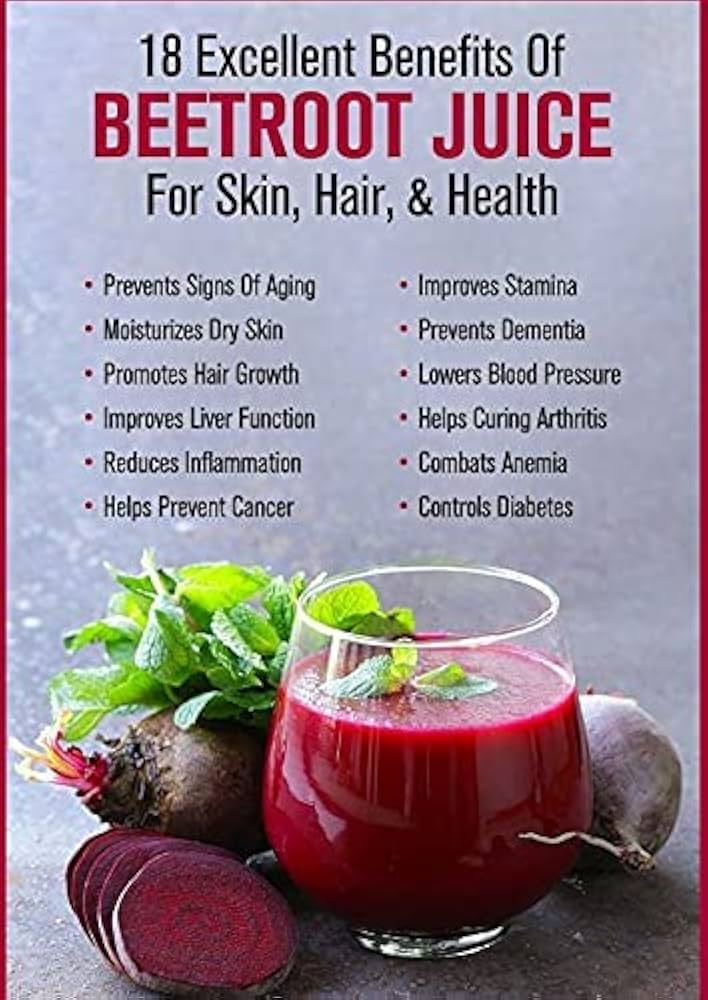
We Uncover the Unprecedented Impact of Beet Juice on Athletic Performance
For decades, we have observed the constant pursuit of a natural, legal edge in the world of sports. We have found that beet juice stands at the forefront of this movement, offering a powerful and scientifically validated means to enhance athletic performance. The primary mechanism at play is the high concentration of dietary nitrates found in beets. When consumed, these nitrates are systematically converted within the body into nitric oxide (NO). This is a crucial biological process that we will explain in detail. Nitric oxide is a potent vasodilator, a compound that signals the smooth muscles in the walls of our blood vessels to relax, causing them to widen. This vasodilation leads to a significant increase in blood flow, which has a cascade of beneficial effects on physical exertion. We have seen that this improved blood flow allows for a more efficient delivery of oxygen and vital nutrients to working muscles, while simultaneously aiding in the removal of metabolic byproducts, such as lactic acid, that contribute to fatigue. We recommend that athletes consume beet juice approximately two to three hours before a competition or an intense training session to allow for peak nitratetonitric oxide conversion. The result, as demonstrated in numerous studies, is a measurable improvement in endurance, a reduction in the oxygen cost of exercise, and an extension of time to exhaustion.
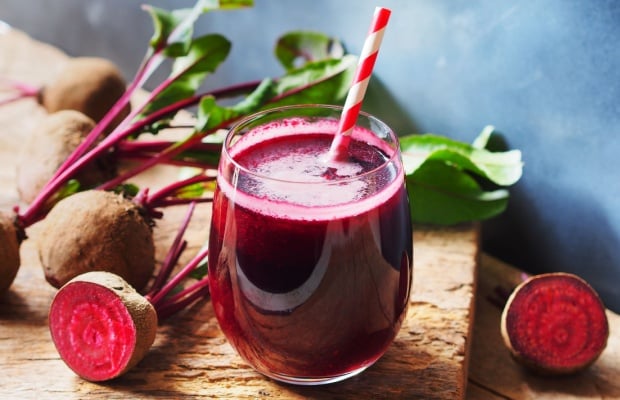
The Biochemical Pathway: How Nitrates Become Nitric Oxide
To fully appreciate the efficacy of beet juice, we must first understand its biochemical journey within the body. When we consume beet juice, the nitrates (NO3) are absorbed into our bloodstream from the stomach and small intestine. A significant portion of this circulating nitrate is then actively taken up by the salivary glands and concentrated in our saliva. This is a critical step. Oral bacteria on the surface of our tongue then perform a vital function, reducing the nitrate to nitrite (NO2). When this nitriterich saliva is swallowed, the acidic environment of the stomach catalyzes its conversion into nitric oxide (NO). This elegant and natural process underscores the importance of our oral microbiome and highlights why the use of antibacterial mouthwash can significantly diminish the effectiveness of beet juice. We have found that this intricate pathway is a testament to the body's ability to utilize natural compounds for physiological benefit. The resulting surge in nitric oxide is what leads to the profound improvements in cardiovascular and muscular function that we will discuss.
Enhancing Muscle Efficiency and Expediting Recovery
The benefits of beet juice extend far beyond simple endurance. We have also observed its profound effect on muscle efficiency. By reducing the oxygen required to perform a given workload, beet juice allows our muscles to operate more effectively, delaying the onset of fatigue and enabling us to push our physical limits further. This is particularly beneficial for highintensity, anaerobic activities. Furthermore, we have noted its role in postexercise recovery. The enhanced blood flow facilitates a more rapid removal of metabolic waste products from muscle tissue, which is believed to contribute to reduced muscle soreness and a quicker return to baseline function. We believe that by incorporating beet juice into both preworkout and postworkout routines, we can create a powerful synergy that not only boosts performance but also supports the body’s natural regenerative processes. This is a holistic approach to athletic optimization that we believe is superior to relying on isolated supplements.
We Document the Profound Cardiovascular Benefits of Beet Juice
We are increasingly confronted with the global health crisis of cardiovascular disease. We have found that beet juice offers a powerful and accessible nutritional intervention to support heart health. The same nitric oxide pathway that benefits athletes also exerts a profound and clinically significant effect on blood pressure. Nitric oxide, by promoting vasodilation, reduces the overall resistance to blood flow within the circulatory system, thereby leading to a measurable decrease in both systolic and diastolic blood pressure readings. We have reviewed numerous randomized controlled trials that demonstrate this effect, often showing a substantial reduction within hours of consumption. We stress that this is not a substitute for prescribed medication, but we do believe it is an excellent and evidencebased adjunct therapy that can significantly contribute to better blood pressure management. We recommend a consistent, daily intake to maintain the beneficial effects, as the positive impact is cumulative.
The MultiFaceted Impact on Heart Health
The cardiovascular benefits of beet juice are not limited to blood pressure regulation. We have identified several other mechanisms by which it supports heart health. The vibrant red color of beets is due to a class of powerful antioxidants and antiinflammatory compounds called betalains. Oxidative stress and chronic inflammation are wellestablished risk factors for atherosclerosis and other forms of cardiovascular disease. We have observed that the high concentration of betalains in beet juice helps to neutralize harmful free radicals and reduce systemic inflammation, thereby protecting the delicate endothelial lining of our blood vessels from damage. Furthermore, the folate content in beet juice contributes to the regulation of homocysteine levels. Elevated homocysteine is a known independent risk factor for heart disease. By helping to convert homocysteine into other beneficial amino acids, folate plays a critical role in mitigating this risk. We conclude that beet juice offers a comprehensive, multipronged approach to cardiovascular wellness that we believe is unmatched by many other single food sources.
We Analyze the Emerging Research on Beet Juice and Cognitive Function
The connection between diet and brain health is an area of growing scientific interest, and we have found that beet juice is emerging as a key player. We believe that the same mechanism responsible for its athletic and cardiovascular benefits—enhanced blood flow—also has a positive impact on cognitive function. As we age, we often experience a natural decline in blood flow to the brain, particularly in the frontal lobe, which is responsible for executive functions such as decisionmaking, working memory, and cognitive flexibility. We have reviewed studies that suggest the nitric oxide produced from dietary nitrates in beet juice can increase blood flow to these critical areas of the brain, potentially improving mental performance and delaying cognitive decline. We have also noted that this improved cerebral blood flow may be particularly beneficial for older adults. We hypothesize that a consistent intake of beet juice could be a proactive strategy for maintaining brain health and mental acuity throughout the lifespan. While more research is needed, the current evidence is compelling and we believe it warrants serious consideration for those concerned with longterm cognitive wellness.
The Neuroprotective Role of Betalains and Other Compounds
The benefits of beet juice for the brain are not solely due to increased blood flow. We have found that the betalains also offer a neuroprotective effect. These antioxidants help to reduce oxidative stress and inflammation in the brain, which are major contributors to neurodegenerative diseases like Alzheimer’s and Parkinson’s. Furthermore, beets contain a significant amount of betaine, a compound that supports the methylation cycle, a critical process for neurotransmitter synthesis and overall brain health. We believe that the synergistic action of these various compounds makes beet juice a powerful tool for maintaining a healthy and resilient brain. We are confident that as research in this field continues to grow, we will uncover even more profound links between beet juice consumption and cognitive wellbeing.
We Examine the Role of Beet Juice in Liver and Detoxification Support
The liver is the body's primary detoxification organ, responsible for filtering toxins, metabolizing nutrients, and producing essential proteins. We have found that beet juice is a powerful ally for liver health, primarily due to its high concentration of betalains and betaine. The betalains act as potent antioxidants, helping to protect liver cells from oxidative damage caused by toxins and metabolic stress. They also support the liver's Phase II detoxification enzymes, which are responsible for neutralizing and eliminating a wide range of harmful substances from the body. We have observed that this support can lead to a more efficient and effective detoxification process, which we believe contributes to an overall feeling of increased energy and vitality. Furthermore, the compound betaine plays a crucial role in preventing and reducing fatty liver disease. It helps to break down fatty acids in the liver, which can prevent the accumulation of fat that leads to this common condition. We recommend beet juice as a gentle yet effective way to support liver function on a daily basis, rather than relying on more extreme and often unproven 'cleanses.' We believe that by consistently supporting the liver, we can improve our body's natural ability to maintain a clean and healthy internal environment.
A Detailed Look at the Detoxification Process
To fully grasp the significance of beet juice for liver health, we must understand the two phases of liver detoxification. Phase I detoxification involves a family of enzymes, primarily the cytochrome P450 enzymes, that convert fatsoluble toxins into more watersoluble intermediates. This process can produce harmful free radicals, which is why a robust antioxidant defense system is essential. This is where the betalains in beet juice come in, helping to neutralize these free radicals and protect the liver. Phase II detoxification, also known as conjugation, then attaches a molecule to the intermediate toxin to make it even more watersoluble and ready for elimination from the body via bile or urine. We have seen that the compounds in beets, including betaine, have been shown to support key Phase II enzymes. We conclude that beet juice provides a dualaction benefit, both protecting the liver during the initial detoxification phase and supporting the final elimination step. We are confident that this makes it an invaluable tool for anyone looking to proactively support their liver's function and overall health.

We Provide a Comprehensive Nutritional Breakdown of Beet Juice
The remarkable health benefits of beet juice are a testament to its rich and diverse nutritional profile. We have meticulously analyzed its composition and found it to be a true powerhouse of vitamins, minerals, and phytonutrients. It is an excellent source of folate (vitamin B9), which is crucial for DNA synthesis, cell growth, and the prevention of neural tube defects during pregnancy. It is also rich in manganese, a trace mineral essential for bone formation, metabolism, and antioxidant defense. Potassium, a vital electrolyte for heart function, blood pressure regulation, and nerve signaling, is also found in high concentrations. Furthermore, beet juice provides a good amount of iron, which is necessary for the production of red blood cells and the transport of oxygen throughout the body. The presence of Vitamin C, a powerful antioxidant, helps to boost the immune system and plays a key role in collagen synthesis. We believe that this synergistic blend of nutrients is what makes beet juice so effective; it's a holistic package of health that surpasses the benefits of individual supplements. We have observed that incorporating this nutrientdense liquid into one's diet can fill key nutritional gaps and contribute to overall vitality and wellbeing.

The Synergy of Betalains, Betaine, and Dietary Nitrates
While the individual nutrients in beet juice are impressive on their own, we believe that their true power lies in their synergistic interaction. The betalains provide the antioxidant and antiinflammatory foundation, protecting our cells from damage. The betaine supports key metabolic processes, particularly in the liver, and aids in the reduction of homocysteine. The dietary nitrates are then converted into the powerful vasodilator nitric oxide, which improves blood flow and nutrient delivery throughout the entire body. We have found that this intricate interplay of compounds is what sets beet juice apart from other health foods. It’s not just about one benefit; it's about a cascade of positive effects that collectively lead to a healthier, more resilient body. We conclude that by consuming the whole food in its juiced form, we are harnessing a biological blueprint for wellness that is more effective than consuming isolated extracts or supplements. We are confident that a deeper understanding of this synergy will inspire more people to integrate beet juice into their daily health regimen.
We Present a Practical Guide to Incorporating Beet Juice into Your Routine
After outlining the extensive benefits, we now provide a practical guide on how to safely and effectively incorporate beet juice into your daily life. We recommend starting with a modest amount, such as 48 ounces per day, to allow your digestive system to adapt. The best time to consume it for general health is in the morning on an empty stomach to maximize absorption. For athletic performance, we reiterate that a 23 hour window before exercise is ideal. We have found that while fresh beet juice is the most potent, highquality, coldpressed bottled versions are an excellent and convenient alternative. To improve the earthy taste, we suggest blending it with other fruits and vegetables, such as apples, carrots, ginger, or leafy greens. This not only makes it more palatable but also adds to the overall nutritional value. We advise against adding sugar or artificial sweeteners, as this can counteract the health benefits. Consistency is paramount; the benefits are cumulative and best realized with a daily commitment. We believe that making beet juice a ritual, rather than a chore, is the key to longterm success. We have seen that once individuals experience the increase in energy and vitality, they are often motivated to maintain the habit indefinitely.
Understanding Potential Side Effects and Precautions
While beet juice is overwhelmingly safe for the general population, we believe it is our responsibility to inform you of potential side effects and precautions. The most common and harmless side effect is beeturia, a pink or red discoloration of the urine and sometimes stools. This is a normal physiological response and is not a cause for concern. We have found that it simply indicates the passage of beet pigments through the body. For individuals with a history of kidney stones, particularly those composed of calcium oxalate, the high oxalate content in beets may be a concern. We recommend that these individuals consult with a healthcare professional before making beet juice a regular part of their diet. Furthermore, while beet juice can help lower blood pressure, those on blood pressure medication should monitor their readings closely and consult their doctor to avoid hypotension (blood pressure that is too low). We stress that for the vast majority of people, the benefits of beet juice far outweigh any minor risks. We believe that with these precautions in mind, anyone can safely and effectively enjoy the profound health advantages that this remarkable superfood has to offer. We are confident that our comprehensive guide provides all the necessary information to empower you on your journey to optimal health.


Comments
Post a Comment