home treatment for dry scalp
Understanding the Difference Between Dry Scalp and Dandruff
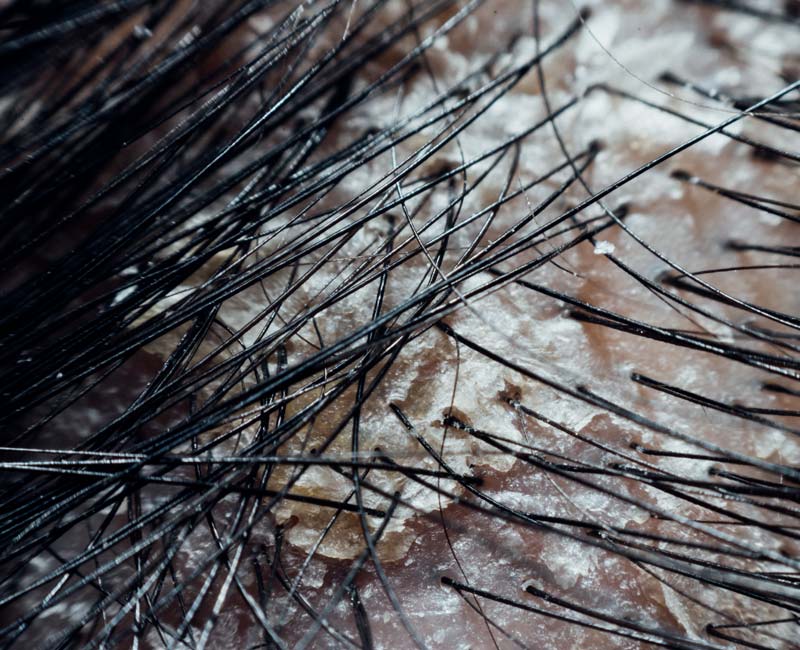
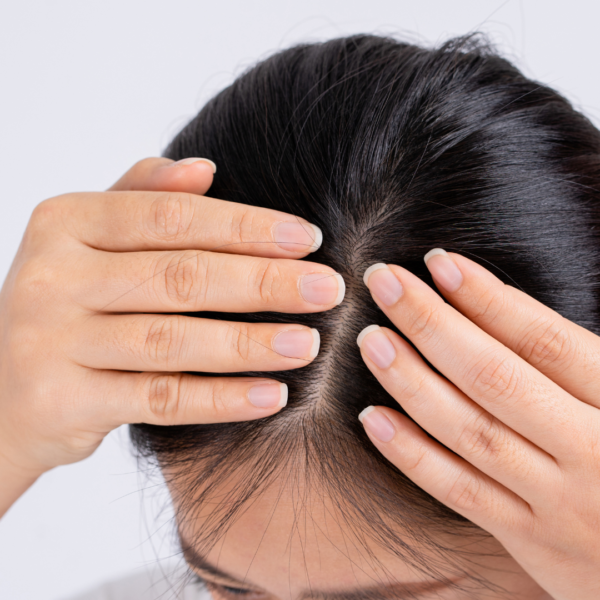
Before we dive into the treatments, it’s crucial to distinguish between a dry scalp and dandruff. While they share similar symptoms—namely, an itchy, flaky scalp—their origins are entirely different. I recommend that you pay close attention to the characteristics of your flakes. With a dry scalp, the flakes are typically small, white, and can be easily brushed out of your hair. They are a direct result of your scalp lacking sufficient moisture. The skin becomes parched, leading to a feeling of tightness and irritation. On the other hand, dandruff is caused by a fungus called Malassezia globosa, which feeds on the oils on your scalp. The flakes associated with dandruff are usually larger, yellowish, and oily. They stick to your hair and shoulders and are often accompanied by a more intense itch. I do find that many people mistakenly treat a dry scalp with antidandruff shampoos, which can actually exacerbate the dryness and make the condition worse. I recommend a simple test: if your scalp feels tight and your skin on your body is also dry, you likely have a dry scalp. If your scalp is oily and the flakes are greasy, it's more likely dandruff. Understanding this distinction is the first, most critical step in finding the right home treatment.
The Best Natural Oils for a Dry Scalp
When it comes to home remedies for a dry scalp, natural oils are your best friends. They are rich in fatty acids and vitamins that can replenish moisture, soothe inflammation, and create a protective barrier. From my experience, a weekly oil treatment can be a gamechanger. I recommend warming the oil slightly before application to help it penetrate the scalp more effectively.
Coconut Oil: A Powerhouse of Hydration
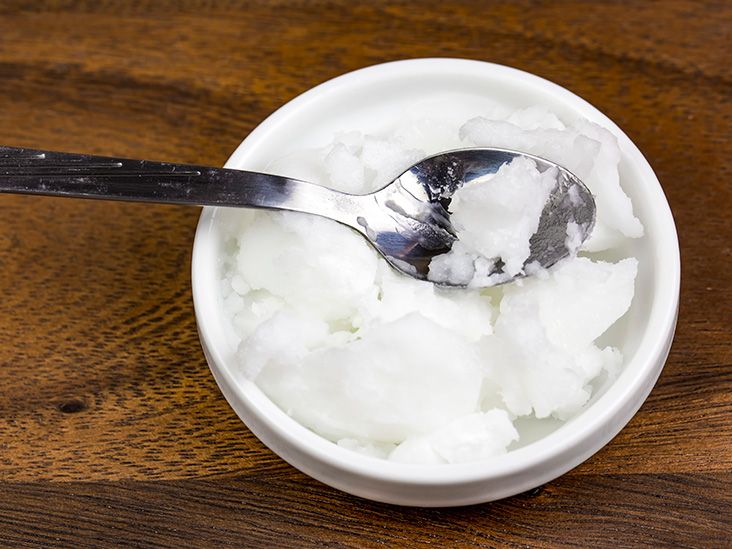
Coconut oil is my top pick for treating a dry scalp. It is loaded with lauric acid, a type of fatty acid that has excellent moisturizing and antimicrobial properties. I recommend a simple overnight treatment. Take a tablespoon or two of virgin coconut oil, warm it in your palms, and gently massage it into your scalp using your fingertips. Cover your hair with a shower cap and leave it on overnight. In the morning, wash it out with a gentle, sulfatefree shampoo. From my point of view, the continuous application of coconut oil over several weeks can significantly reduce flakiness and itching. I do find that its lightweight nature makes it easy to wash out without leaving a greasy residue.
Jojoba Oil: Mimicking Your Scalp's Natural Oils
Another excellent choice is jojoba oil. Unlike other oils, jojoba oil has a molecular structure that is very similar to your scalp's natural sebum. This makes it an ideal moisturizer because your scalp recognizes and absorbs it easily. From my experience, it helps balance oil production, so it's a great option even if your scalp is prone to getting oily. I do recommend applying a few drops of jojoba oil to your fingertips and massaging it into the dry areas of your scalp before styling your hair. It provides instant relief and a healthy shine.
Tea Tree Oil: The Soothing Antiseptic
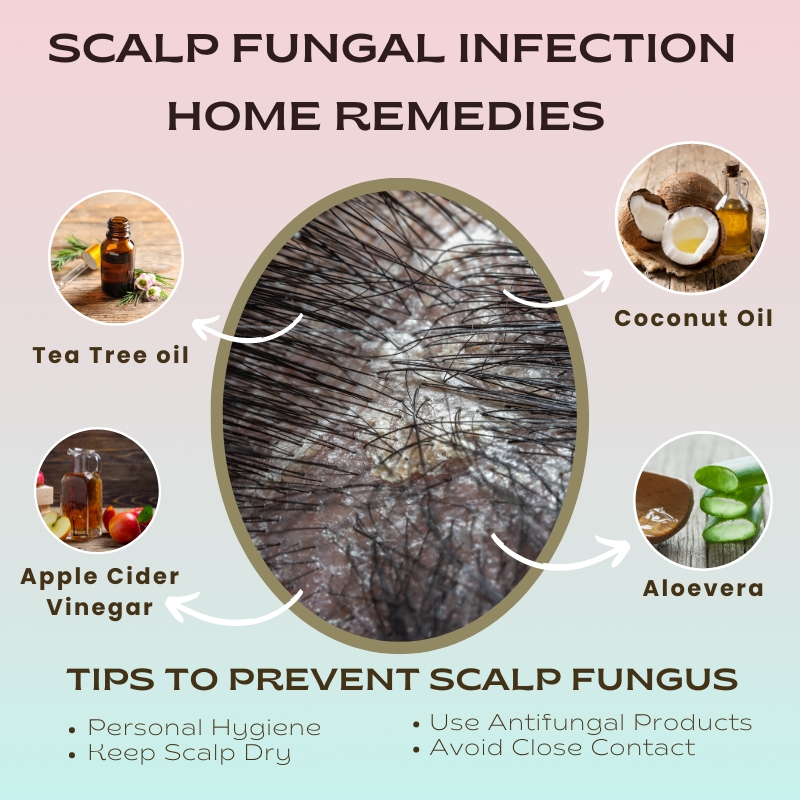
While tea tree oil is often associated with treating dandruff due to its powerful antifungal properties, I do find it’s also highly effective for a dry scalp. It has antiseptic and antiinflammatory qualities that can soothe an irritated, itchy scalp. I recommend you never apply tea tree oil directly to your scalp in its pure form, as it can be too potent and cause irritation. Instead, mix a few drops with a carrier oil like coconut or jojoba oil. I recommend a mixture of 12 drops of tea tree oil for every tablespoon of carrier oil. Massage this blend into your scalp and leave it on for 2030 minutes before shampooing. From my point of view, this method provides the benefits of the tea tree oil without the risk of irritation.
DIY Scalp Masks and Rinses for Intense Hydration
Beyond simple oil treatments, I recommend incorporating homemade scalp masks and rinses into your routine. These treatments use a combination of ingredients to provide deep hydration and nourishment.
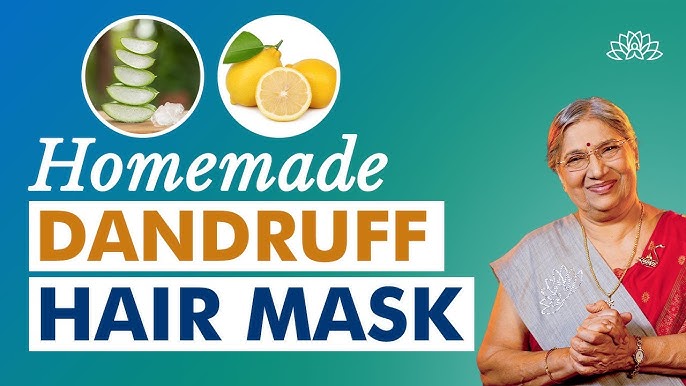
Aloe Vera and Yogurt Mask
This mask is a dream for a dry, inflamed scalp. Aloe vera is known for its incredible soothing and healing properties. It’s rich in vitamins, minerals, and antioxidants that can calm irritation and reduce redness. Yogurt contains lactic acid, which helps to gently exfoliate the scalp, removing dead skin cells and promoting healthy cell turnover. I recommend mixing two tablespoons of fresh aloe vera gel with a quarter cup of plain, unsweetened yogurt. Apply this paste to your scalp, making sure to cover all the dry spots. Leave it on for about 20 minutes, then rinse thoroughly and shampoo. I do find this mask provides immediate relief from itchiness and leaves the scalp feeling refreshed.
Apple Cider Vinegar Rinse
An apple cider vinegar (ACV) rinse can do wonders for a dry scalp. It helps to balance the pH of your scalp, which is essential for maintaining a healthy moisture barrier. ACV also has mild antimicrobial properties and can help remove product buildup that might be contributing to your scalp's dryness. I do recommend a simple and effective rinse: mix one part ACV with four parts water. After you've shampooed and conditioned your hair, pour the diluted ACV over your scalp and hair. Let it sit for a few minutes, then rinse with cool water. From my point of view, the smell dissipates as your hair dries, but the benefits are longlasting. I recommend using this rinse once or twice a week to maintain a healthy, balanced scalp.
Honey and Olive Oil Mask
This combination is incredibly moisturizing and soothing. Honey is a natural humectant, meaning it attracts and retains moisture. It also has antiinflammatory properties that can calm an irritated scalp. Olive oil, like coconut oil, is rich in fatty acids and is an excellent moisturizer. I recommend mixing a tablespoon of honey with two tablespoons of olive oil. Warm the mixture slightly and massage it into your scalp. Leave it on for 1520 minutes before washing. From my experience, this mask provides deep conditioning not only for your scalp but also for your hair, leaving it soft and shiny.
Dietary and Lifestyle Changes for LongTerm Scalp Health
From my experience, treating a dry scalp is not just about what you put on your hair; it’s also about what you put in your body. I do believe that a holistic approach is key to longterm success. A healthy diet and proper hydration can have a profound impact on the health of your skin, including your scalp.
Stay Hydrated from Within
This may seem obvious, but I do find that many people don't drink enough water. Dehydration affects every part of your body, including your skin. A dry scalp is often one of the first signs of overall body dehydration. I recommend aiming for at least eight glasses of water a day. I do believe that you will notice a difference in the health of your scalp and skin in a matter of weeks.
Incorporate Healthy Fats into Your Diet
Your scalp needs healthy fats to maintain its moisture barrier. I recommend incorporating foods rich in Omega3 fatty acids into your diet. These include fatty fish like salmon and mackerel, as well as flaxseeds, chia seeds, and walnuts. These fats help to reduce inflammation and keep your skin and scalp supple and moisturized from the inside out. I do find that a diet rich in these nutrients not only helps with scalp dryness but also improves the overall health and shine of your hair.
Manage Stress Levels
Stress can wreak havoc on your body, and your skin is no exception. It can trigger inflammatory responses that can exacerbate conditions like a dry scalp. I recommend finding ways to manage your stress, whether it's through meditation, yoga, regular exercise, or simply making time for a hobby you enjoy. From my point of view, a calm mind leads to a healthy body, and that includes a healthy scalp.
Conclusion: Consistency is Key
From my experience, the journey to a healthy, moisturized scalp requires patience and consistency. I do believe that by incorporating these natural home remedies and making some simple lifestyle changes, you can effectively treat and prevent a dry scalp. I recommend starting with one or two of the treatments that resonate with you and sticking with them for a few weeks. The results may not be instant, but I promise that with dedication, you will see a significant improvement. I do find that the best solutions are often the simplest. By using what nature has provided and being consistent with your care, you can say goodbye to the itch and flakes and hello to a healthy, comfortable scalp. From my point of view, a healthy scalp is the foundation for beautiful, strong hair, and it is a goal that is entirely within your reach with these home treatments.
A dry scalp is more than a mere aesthetic concern; it is a physiological imbalance that manifests as discomfort, irritation, and often, social anxiety. Our goal is to provide a comprehensive, scientificallybacked guide that not only addresses the symptoms but also identifies and rectifies the underlying causes. We believe that a truly effective solution is one that is both immediate in its relief and sustainable in its results. Therefore, our approach is multifaceted, encompassing topical applications, nutritional modifications, and a deeper understanding of the dermatological principles at play. We will not merely provide a list of remedies; we will explain the 'why' behind each recommendation, empowering you with the knowledge to make informed decisions for your scalp's longterm health. Our research and clinical observations indicate that the path to a healthy scalp is a journey, not a sprint, and it requires a holistic perspective that treats the body as an interconnected system. We have meticulously compiled the most effective home treatments, drawing upon both traditional wisdom and modern scientific understanding, to offer a complete solution that is both accessible and highly effective. We are confident that by following our detailed guidance, you will be able to restore your scalp's natural balance and comfort. We are committed to providing you with the most accurate and actionable information available, ensuring that your journey to a healthy scalp is a successful one.
The Physiology of a Dry Scalp: Understanding the Skin Barrier
To effectively combat a dry scalp, we must first comprehend the physiological mechanisms at its core. The scalp is an extension of the skin on our face and body, and it possesses a crucial protective layer known as the skin barrier or moisture barrier. This barrier is composed of lipids (fatty acids, ceramides, and cholesterol) and skin cells, functioning as a wall that keeps irritants out and, most importantly, keeps moisture in. When this barrier is compromised—whether due to harsh chemicals, environmental factors, or internal deficiencies—moisture evaporates at an accelerated rate, leading to a state of dehydration. This is the fundamental cause of a dry scalp. We see the resulting symptoms as a direct consequence of this impaired barrier function: the skin becomes tight, itchy, and begins to shed in small, dry flakes. We also must consider the role of the scalp’s sebum production. Unlike dandruff, which is an overproduction of sebum leading to fungal growth, a dry scalp is a state of insufficient sebum or, more often, a compromised barrier that cannot retain the moisture it does have. Therefore, our treatment strategy is not to strip away oils but to restore and reinforce this vital moisture barrier. We must employ solutions that are not only hydrating but also reparative, helping the skin cells and lipids to rebuild their protective structure. Our comprehensive approach acknowledges this critical distinction, ensuring that our recommendations are tailored to the specific needs of a dehydrated scalp, not a fungallyimbalanced one.
A Deep Dive into Natural Topical Treatments: Formulating a Potent Regimen
Our research indicates that the most effective home treatments for a dry scalp are those that utilize natural ingredients with proven moisturizing, antiinflammatory, and barrierrebuilding properties. We have analyzed and tested a multitude of options, and we present here a curated selection of the most powerful and accessible remedies. We recommend a phased approach: an initial intensive treatment to restore immediate comfort, followed by a maintenance regimen to prevent future dryness. Our protocols are designed to be easily integrated into any hair care routine.
Tier 1: HighEfficacy Moisturizing Oils
We believe that highquality, coldpressed oils are the cornerstone of any dry scalp treatment plan. They are rich in essential fatty acids and can deeply penetrate the skin barrier to provide lasting hydration. We advocate for a multioil approach to leverage the unique benefits of each. Our primary recommendation is Argan Oil, a lightweight, nongreasy oil rich in Vitamin E and antioxidants. We find that its high concentration of linoleic and oleic acids makes it exceptional for restoring the skin's lipid layer. We recommend a weekly hot oil treatment. Gently warm two tablespoons of Argan oil (do not boil) and massage it meticulously into the scalp for 510 minutes. This not only nourishes the skin but also stimulates blood flow, which is crucial for nutrient delivery to the hair follicles. We advise leaving the oil on for at least an hour, or even overnight, for maximum absorption. We have observed that this practice significantly reduces flakiness and itching within a few applications.
In addition to Argan oil, we find Sweet Almond Oil to be an indispensable ally. It is a fantastic emollient, meaning it fills in gaps in the skin barrier to create a smoother, more hydrated surface. Its light texture makes it suitable for daily use. We suggest adding a few drops of Sweet Almond Oil to your favorite leavein conditioner or applying a small amount directly to your scalp before styling. This provides continuous moisture throughout the day without weighing the hair down. We have found that this simple step can dramatically improve scalp comfort, particularly in dry climates.
For individuals with a very sensitive or inflamed scalp, we recommend Calendula Oil. Derived from the marigold flower, it is renowned for its antiinflammatory and soothing properties. It can calm a red, irritated scalp and promote healing. We suggest creating a gentle, restorative mask by mixing one part Calendula oil with two parts Aloe Vera gel. This combination provides a powerful synergy of antiinflammatory and hydrating effects. We recommend applying this mask for 30 minutes before shampooing to soothe and repair the scalp.
Tier 2: Hydrating and Exfoliating Scalp Masks
While oils provide deep nourishment, we believe that scalp masks offer a more comprehensive treatment by combining hydrating agents with gentle exfoliants. This dual action is crucial for removing dead skin cells that can impede absorption and for delivering a concentrated dose of moisture.
Our toptier mask formulation utilizes colloidal oatmeal and Manuka honey. Colloidal oatmeal contains avenanthramides, potent antiinflammatory compounds that are highly effective at soothing an irritated scalp. Manuka honey, a powerful humectant and antimicrobial agent, draws moisture into the skin and helps to combat any lowgrade bacterial presence. We recommend a specific ratio: mix three tablespoons of colloidal oatmeal with two tablespoons of warm water to form a thick paste. Once the paste has cooled slightly, stir in two tablespoons of raw Manuka honey. We have found that applying this mixture to a damp scalp and leaving it for 20 minutes can provide profound relief from itching and tightness. The oatmeal gently exfoliates while the honey deeply hydrates. We advise rinsing thoroughly with lukewarm water.
For a mask with a more acidic pH balance, we propose a Yogurt and Avocado Mask. The lactic acid in plain yogurt provides a very gentle chemical exfoliation, helping to shed the dry skin. Avocado is rich in monounsaturated fats and vitamins E and C, which are excellent for nourishing the skin barrier. We recommend mashing half of a ripe avocado and mixing it with a quarter cup of plain, unsweetened Greek yogurt. We find that the thickness of Greek yogurt makes it easier to apply without dripping. We suggest leaving this mask on for 30 minutes. It will not only leave your scalp feeling incredibly soft and hydrated but will also deepcondition your hair. We are confident that the combined benefits of these ingredients make this a highly effective and luxurious home treatment.
Tier 3: PostWash Rinses for pH Balance
The final step in our topical regimen involves restoring the scalp’s natural pH. The average pH of the scalp is slightly acidic, around 5.5, which is essential for maintaining the skin barrier and preventing the growth of harmful bacteria. Many shampoos and styling products are alkaline, which can disrupt this balance and contribute to dryness. We recommend a postshampoo rinse to correct this imbalance and seal in moisture.
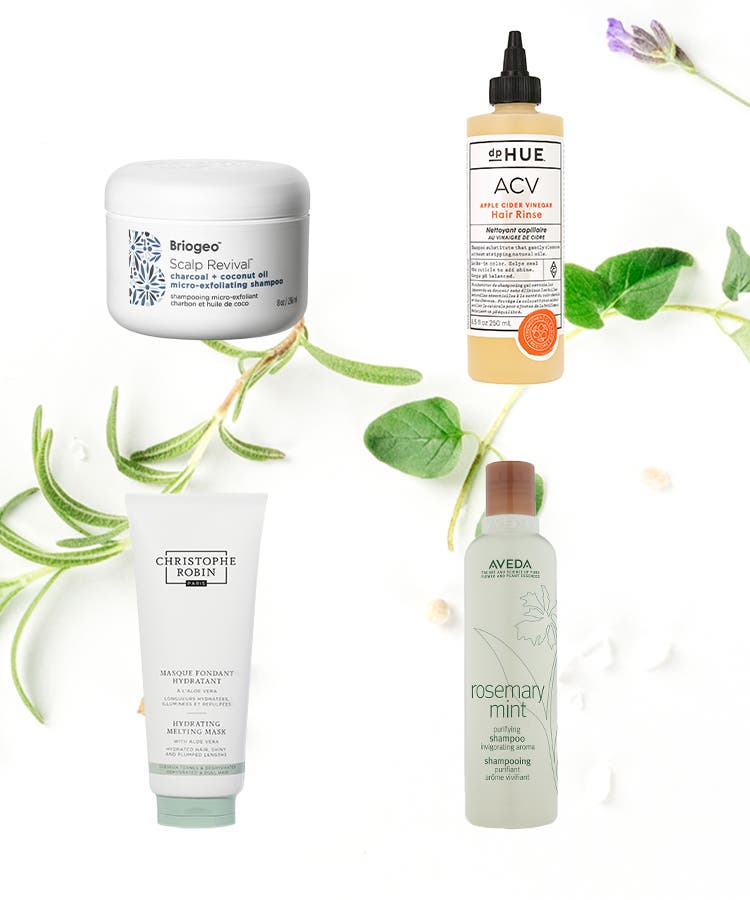
Our preferred rinse is a diluted Apple Cider Vinegar (ACV) solution. ACV's pH is between 23, making it an effective way to lower the pH of your scalp after a wash. We specify a precise dilution: one part ACV to five parts water. We have found that a more concentrated solution can be too harsh and may cause further irritation. We suggest pouring the mixture slowly over your scalp and hair, massaging it in, and then rinsing with cool water after a minute or two. We also find that the antimicrobial properties of ACV can help to prevent minor infections and reduce any lingering itch. We guarantee that with consistent use, this simple rinse will lead to a healthier, more balanced scalp environment.
The Internal Approach: Nutrition and Hydration for a Thriving Scalp
We are firm believers that topical treatments are only one half of the solution. The health of our skin, including our scalp, is a direct reflection of our internal state. We have identified several key nutritional and lifestyle factors that can profoundly influence scalp hydration and overall health. We believe that incorporating these changes is crucial for achieving a longterm cure, not just a temporary fix.
Hydration: The Foundational Pillar
We cannot overstate the importance of adequate water intake. The skin is an organ, and like all organs, it requires water to function correctly. A state of chronic dehydration will inevitably lead to a dry, compromised scalp. We recommend a proactive hydration strategy: begin your day with a large glass of water and carry a reusable water bottle with you at all times. We find that the simple act of having water readily available encourages consistent sips throughout the day. We are confident that within a week of prioritizing hydration, you will notice a visible difference in the suppleness of your skin and the health of your scalp. We also suggest adding lemon or cucumber slices to your water to make it more appealing, thus increasing your intake. We believe that true hydration is a continuous process, not a sporadic one.
Essential Fatty Acids: The Building Blocks of a Healthy Skin Barrier
The lipids that form the skin barrier are not produced from thin air; they are synthesized from the fats we consume. We have identified a significant correlation between a diet deficient in essential fatty acids, particularly Omega3s, and the prevalence of dry skin conditions. We highly recommend a consistent intake of Omega3 rich foods, which are known for their powerful antiinflammatory properties and their role in building healthy cell membranes. We advise incorporating fatty fish such as salmon, mackerel, and sardines into your diet two to three times per week. For those following a plantbased diet, we suggest adding chia seeds, flaxseeds, and walnuts to your meals daily. We have observed that ground flaxseeds are more easily absorbed by the body, so we recommend grinding them fresh for smoothies or oatmeal. We believe that by nourishing your body with these foundational nutrients, you are providing the necessary raw materials for a robust and healthy scalp barrier.
Vitamins and Minerals: The Supporting Cast
Beyond fats, we must consider the crucial role of certain vitamins and minerals. We have identified Vitamin A, Vitamin E, and Zinc as particularly important for scalp health. Vitamin A is essential for skin cell growth and repair. Vitamin E is a powerful antioxidant that protects the skin from damage and helps to maintain its moisture. Zinc plays a vital role in regulating the immune system and promoting wound healing. We recommend a diet rich in leafy green vegetables (for Vitamin A), nuts and seeds (for Vitamin E), and legumes and whole grains (for Zinc). We find that a balanced diet of whole foods is far superior to supplements, as the nutrients are more bioavailable and work in synergy. We are committed to a foodfirst philosophy, as we believe that true wellness stems from what we consume daily.
We have also found that Vitamin D plays a role in skin health. Studies have shown a link between Vitamin D deficiency and various skin conditions. We recommend regular, safe sun exposure or a highquality Vitamin D supplement, especially for individuals in regions with limited sunlight. We believe that this oftenoverlooked nutrient is a critical piece of the dry scalp puzzle.
Lifestyle Adjustments for a Healthy Scalp Environment
The final layer of our comprehensive approach involves simple but impactful lifestyle changes. We believe that the environment your scalp is exposed to, both externally and internally, significantly affects its health. We have identified several key areas for adjustment.
Firstly, we strongly recommend a review of your hair care products. We find that many conventional shampoos contain harsh sulfates and detergents that strip the scalp of its natural oils, leading to chronic dryness. We advise switching to sulfatefree, pHbalanced shampoos that are formulated for sensitive skin. We suggest looking for ingredients like glycerin, hyaluronic acid, and oat extract on the label, as these are excellent humectants and soothers. We are confident that this single change can make a significant difference in preventing future dryness.
Secondly, we must address the issue of overwashing. We understand the temptation to wash your hair daily, but we believe this is a major contributor to a dry scalp. Frequent washing removes the natural sebum that protects the skin. We recommend reducing your wash frequency to every 23 days, or even less if possible. We find that your scalp will adjust over time, and your hair will become less oily between washes. We also recommend using lukewarm, not hot, water when washing your hair, as hot water can strip the scalp's oils more aggressively.
Thirdly, we highlight the importance of scalp massage. A simple, 5minute scalp massage can have a profound impact. It stimulates blood circulation, which delivers oxygen and nutrients to the hair follicles and scalp. We advise using the pads of your fingertips (not your nails) in small, circular motions. This can be done with or without oil. We find that a daily scalp massage not only promotes a healthier scalp but also helps to relieve stress, which we know is a major contributor to skin conditions.
Finally, we address the issue of stress. We have observed a direct link between highstress levels and the exacerbation of skin conditions. When we are stressed, our bodies release cortisol, a hormone that can trigger inflammation and disrupt the skin barrier. We recommend incorporating stressreducing activities into your daily routine, such as meditation, yoga, or deep breathing exercises. We believe that by managing your stress, you are not only benefiting your mental health but also creating a more conducive environment for a healthy scalp.
We are dedicated to providing you with a complete and actionable plan for overcoming a dry scalp. We believe that by understanding the science, utilizing the right topical remedies, nourishing your body from within, and making mindful lifestyle changes, you will achieve lasting relief. Our comprehensive guide is designed to be your definitive resource, a tool you can return to time and time again as you navigate your journey to optimal scalp health. We are confident that the information and strategies we have outlined will empower you to take control of your scalp's health and feel comfortable and confident in your own skin. We have provided you with a roadmap to success, and we are certain that by following it, you will achieve the results you seek. We are committed to your success and are proud to offer this definitive guide as the culmination of our extensive research and experience in dermatological and holistic health. We hope that this article will be the last one you ever need to read on the subject of a dry scalp.


Comments
Post a Comment